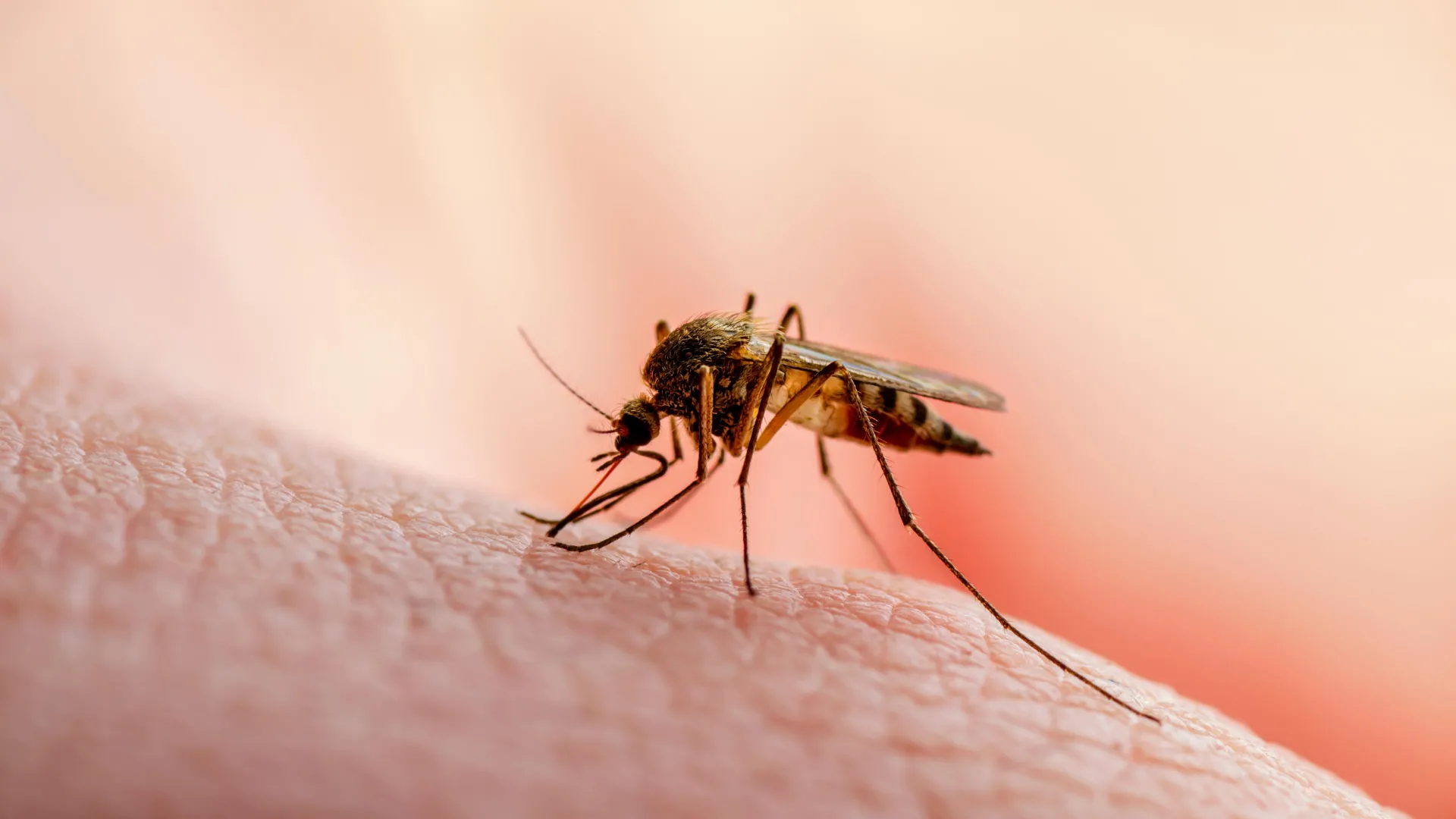
An international consortium of researchers has illuminated a fundamental biological process within the malaria-causing parasite, pinpointing a unique protein essential for its survival and propagation between distinct host organisms, thereby presenting a highly promising avenue for the development of novel antimalarial therapies. The groundbreaking investigation, a collaborative effort involving institutions such as the University of Nottingham, the National Institute of Immunology in India, the University of Groningen in the Netherlands, and the Francis Crick Institute, has focused on a specific enzyme designated as Aurora-related kinase 1 (ARK1). This molecule, as detailed in a recent publication in the esteemed journal Nature Communications, appears to function as a critical orchestrator of cell division within the parasite, a process that deviates significantly from mammalian cellular replication.
Malaria remains a pervasive and devastating global health challenge, responsible for a substantial burden of disease and mortality worldwide. The infectious agent, the Plasmodium parasite, possesses an intricate life cycle that necessitates replication within both human hosts and the Anopheles mosquito vectors. Gaining a comprehensive understanding of the mechanisms governing the parasite’s multiplication is paramount to devising effective strategies for disease containment and eventual eradication.
The reproductive strategy employed by the Plasmodium parasite is markedly distinct from the standard binary fission observed in human cells, exhibiting a more complex and asynchronous pattern of growth and division. The research team’s findings indicate that ARK1 plays a pivotal role in the assembly and regulation of the mitotic spindle, the complex proteinaceous structure responsible for segregating replicated genetic material into daughter cells. This precise organization of the spindle is indispensable for the accurate formation of new parasite progeny.
Experimental interventions designed to inhibit or eliminate ARK1 activity in laboratory settings led to a swift and catastrophic disruption of parasite development. In the absence of functional ARK1, the parasites were demonstrably incapable of constructing functional mitotic spindles. This deficiency resulted in a complete failure of proper cell division, arresting the parasites at critical developmental junctures.
Consequently, the parasites were rendered non-viable, unable to advance through their complex life cycle. This incapacitation extended to both the intracellular environment of the human host and the vector mosquito, effectively severing the chain of transmission that perpetuates the spread of malaria. The implications of this finding are profound, as it suggests a singular vulnerability that can be exploited to interrupt the parasite’s lifecycle at its very core.
Dr. Ryuji Yanase, the lead author of the study from the University of Nottingham’s School of Life Sciences, drew an evocative parallel, noting that the name ‘Aurora’ itself, derived from the Roman goddess of dawn, aptly signifies a new era in our comprehension of the intricate cellular dynamics of the malaria parasite. This nomenclature underscores the transformative potential of this discovery.
The multifaceted nature of the malaria parasite’s lifecycle, spanning across different host species and developmental stages, necessitates a highly integrated and interdisciplinary research approach. The collaborative spirit of the investigation was highlighted by Annu Nagar and Dr. Pushkar Sharma from the Biotechnology Research and Innovation Council (BRIC) at the National Institute of Immunology, who emphasized the synergistic efforts required to elucidate ARK1’s function across both human and mosquito hosts. Their contribution was instrumental in revealing novel facets of parasite biology previously obscured by the complexity of its dual-host existence.
A particularly encouraging aspect of this discovery lies in the significant evolutionary divergence between the parasite’s ARK1 and its human cellular counterparts. This structural and functional dissimilarity presents a critical therapeutic advantage. Professor Tewari further elaborated on this point, underscoring that the pronounced difference in the parasite’s ‘Aurora’ complex compared to the analogous proteins found in human cells offers a substantial opportunity for selective drug targeting. This divergence implies the potential to design pharmaceutical agents that precisely inhibit the parasite’s ARK1, thereby effectively neutralizing the pathogen without inducing adverse effects in the infected individual, a crucial consideration for any therapeutic intervention.
By unraveling the intricate workings of this unique molecular machinery, the research provides a detailed blueprint for the rational design and development of innovative drug candidates. These future antimalarial agents will be engineered to specifically disrupt the critical ARK1-mediated processes within the parasite, thereby halting its replication and ultimately preventing the transmission of this debilitating disease. The identification of ARK1 as an Achilles’ heel for the malaria parasite marks a significant stride forward in the long-standing global effort to combat and eradicate malaria. The ongoing exploration of its precise molecular interactions and regulatory pathways promises to unlock further therapeutic strategies, potentially leading to a future free from the scourge of this ancient and persistent infectious disease. The complex interplay of genetic material segregation, spindle formation, and cell cycle progression within the parasite has long been a subject of intense scientific scrutiny, and the definitive role of ARK1 in orchestrating these vital events represents a pivotal breakthrough. The researchers are now poised to investigate the specific structural motifs of the parasite’s ARK1 that confer its unique function, paving the way for the development of highly specific inhibitors. This targeted approach aims to circumvent the challenges associated with broad-spectrum antiparasitic agents, which often carry significant toxicity profiles. The journey from fundamental biological discovery to effective clinical intervention is often arduous, but the clarity provided by this research into the parasite’s essential machinery offers a renewed sense of optimism in the fight against malaria. The intricate details of how the parasite manages its genetic duplication and cytokinesis, processes fundamental to its survival, are now being illuminated with unprecedented detail, offering a clear path towards disrupting these vital functions.
About the Author