
A comprehensive longitudinal investigation has unveiled a significant correlation between adherence to a dietary regimen characterized by abundant plant-derived foods and beneficial fats, and a demonstrably lower incidence of cerebrovascular events among women. This research, disseminated on February 4, 2026, in the esteemed journal Neurology Open Access, a publication affiliated with the American Academy of Neurology, underscores a potent association between specific eating habits and the long-term health trajectory concerning stroke. It is crucial to note, however, that while the study identifies a strong link, it does not establish a direct causal relationship, meaning it cannot definitively assert that this dietary approach actively prevents strokes. Instead, the findings illuminate a clear association between an individual’s food consumption patterns and their susceptibility to stroke over an extended period.
The observational study meticulously tracked a large cohort of women, revealing that those who most closely emulated the principles of the Mediterranean diet exhibited substantially lower rates of stroke across the board. This protective effect extended to both major categories of stroke: ischemic and hemorrhagic. Ischemic strokes, the more prevalent form, arise from an obstruction of blood flow to a section of the brain, leading to tissue damage. In contrast, hemorrhagic strokes occur when a blood vessel within the brain ruptures, precipitating internal bleeding and subsequent neurological compromise. The research indicated a reduced likelihood of both these debilitating conditions among adherents of the specified dietary pattern.
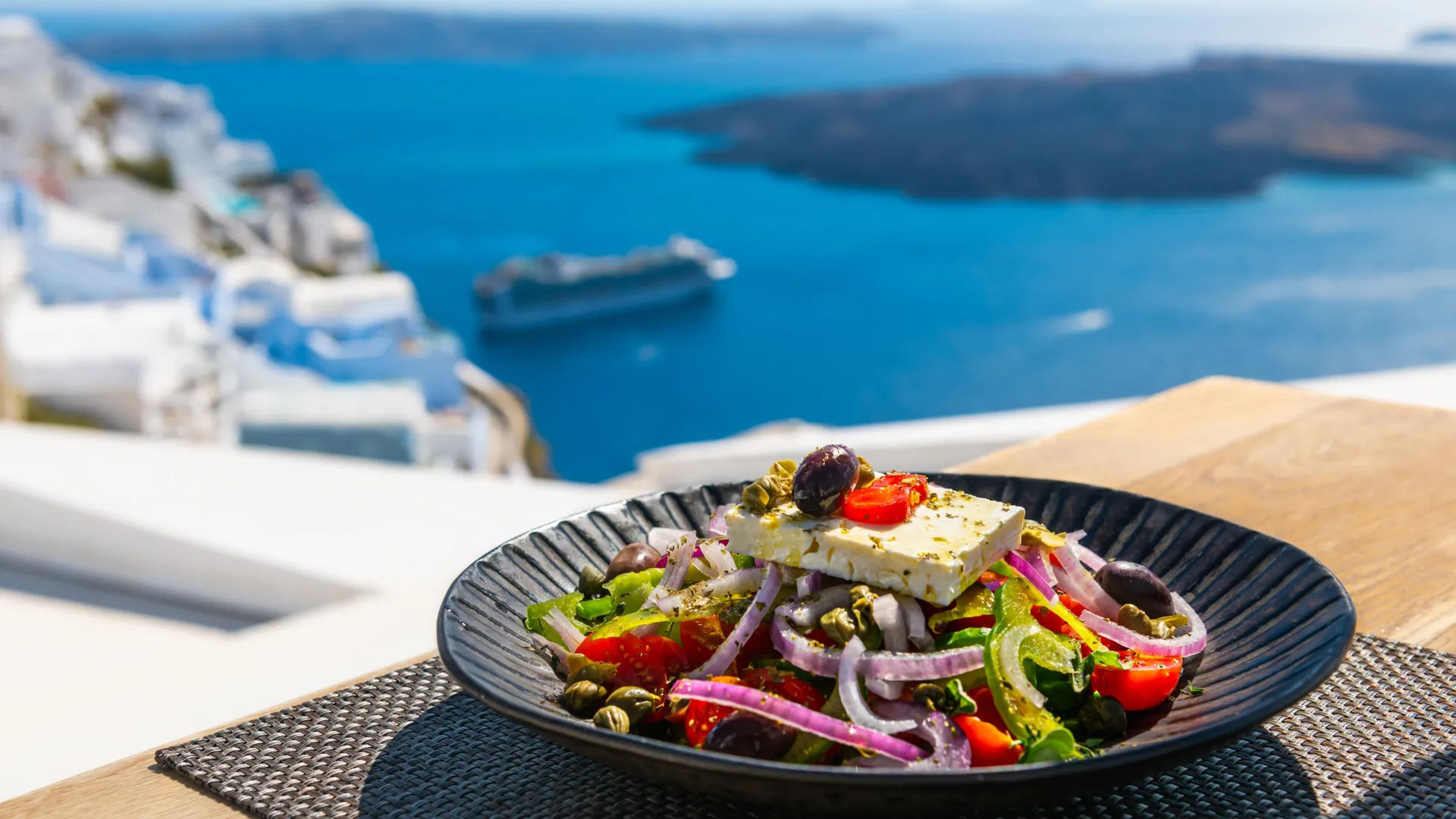
The cornerstone of the Mediterranean dietary framework rests upon a generous intake of various vegetables, fruits, legumes, and fish, complemented by the incorporation of healthful lipids, most notably olive oil. Concurrently, this eating style advocates for a measured consumption of products such as dairy, red meat, and foods laden with saturated fatty acids. This emphasis on whole, unprocessed foods and unsaturated fats is widely recognized for its positive contributions to cardiovascular health.
Dr. Sophia S. Wang, PhD, a lead researcher from the City of Hope Comprehensive Cancer Center in Duarte, California, commented on the significance of these findings, stating, "Our results lend considerable weight to the growing body of evidence that champions a salutary diet as an indispensable component of stroke prevention." She further elaborated on a particularly intriguing aspect of their discovery: "We were especially keen to observe that this association extends to hemorrhagic stroke, given the relative paucity of extensive studies that have specifically examined this subtype of stroke." This observation is particularly noteworthy as hemorrhagic strokes, though less common than ischemic strokes, can often be more severe and carry a higher mortality rate.
The expansive nature of this study was a key factor in its ability to draw robust conclusions. Encompassing a substantial participant pool of 105,614 women, all of whom were free from any history of stroke at the commencement of the research, the study began with individuals averaging 53 years of age. To meticulously gauge dietary habits, each participant was required to complete a detailed questionnaire at the outset of the investigation. This instrument was designed to capture a comprehensive overview of their usual food consumption. Following the dietary assessment, researchers meticulously assigned a score to each woman, ranging from zero to nine, quantifying the degree to which their dietary practices aligned with the established tenets of the Mediterranean diet.
The scoring methodology was designed to reward specific dietary choices. Participants received a point for exceeding the average population consumption of whole grain cereals, fruits, vegetables, legumes, olive oil, and fish. Similarly, moderate alcohol consumption also contributed to a higher score. Conversely, individuals who consumed less red meat and dairy than the average were also credited with a point. This scoring system effectively stratified the participants into distinct groups based on their dietary adherence. Approximately 30% of the women achieved scores between six and nine, representing the highest adherence group, while a further 13% fell into the lowest adherence category, scoring between zero and two.
The participants were subjected to an extended period of observation, averaging an impressive 21 years. Throughout this substantial timeframe, researchers meticulously documented all reported instances of stroke. In total, 4,083 strokes were recorded within the cohort. This figure comprised 3,358 ischemic strokes and 725 hemorrhagic strokes. A comparative analysis of stroke incidence between the dietary adherence groups revealed striking disparities. Women in the highest Mediterranean diet score group experienced 1,058 ischemic strokes, in stark contrast to the 395 cases observed in the lowest diet score group. Similarly, for hemorrhagic strokes, the highest adherence group reported 211 cases, while the lowest adherence group accounted for 91 cases.
Crucially, the statistical analysis went beyond simple incidence rates, employing multivariate regression models to control for a range of other established stroke risk factors. These included significant variables such as smoking status, levels of physical activity, and the presence of hypertension (high blood pressure). Even after accounting for these confounding factors, the observed differences in stroke risk remained statistically significant. The findings indicated that women exhibiting the highest adherence to the Mediterranean diet were 18% less likely to experience any form of stroke compared to their counterparts in the lowest adherence group. This protective effect was further broken down into specific stroke types, with the risk of ischemic stroke being 16% lower and the risk of hemorrhagic stroke being an even more substantial 25% lower for those following the diet most closely.
The implications of these findings are profound, particularly given the significant public health burden posed by stroke. Stroke remains a leading cause of mortality and long-term disability globally, impacting millions of lives and imposing substantial economic costs. "Stroke represents a major contributor to both death and functional impairment, making it incredibly encouraging to contemplate that optimizing our dietary choices could potentially mitigate our vulnerability to this devastating illness," remarked Dr. Wang. She also emphasized the need for continued research, adding, "Further investigations are imperative to corroborate these findings and to elucidate the underlying biological mechanisms responsible for these observed effects. Such insights could pave the way for the development of novel and more effective strategies for stroke prevention."
It is important to acknowledge the inherent limitations of observational studies, particularly those relying on self-reported data. In this instance, the dietary information was gathered through questionnaires completed by the participants themselves. This reliance on self-reporting introduces the possibility of recall bias, where participants may not have accurately or comprehensively remembered their precise eating habits. While this is a common challenge in nutritional epidemiology, it underscores the need for complementary research methodologies, such as dietary biomarkers or controlled feeding studies, to further validate these associations. The research that yielded these significant findings was generously supported by funding from the National Institute of Neurological Diseases and Stroke, a testament to the national importance placed on understanding and combating cerebrovascular diseases.
About the Author












