
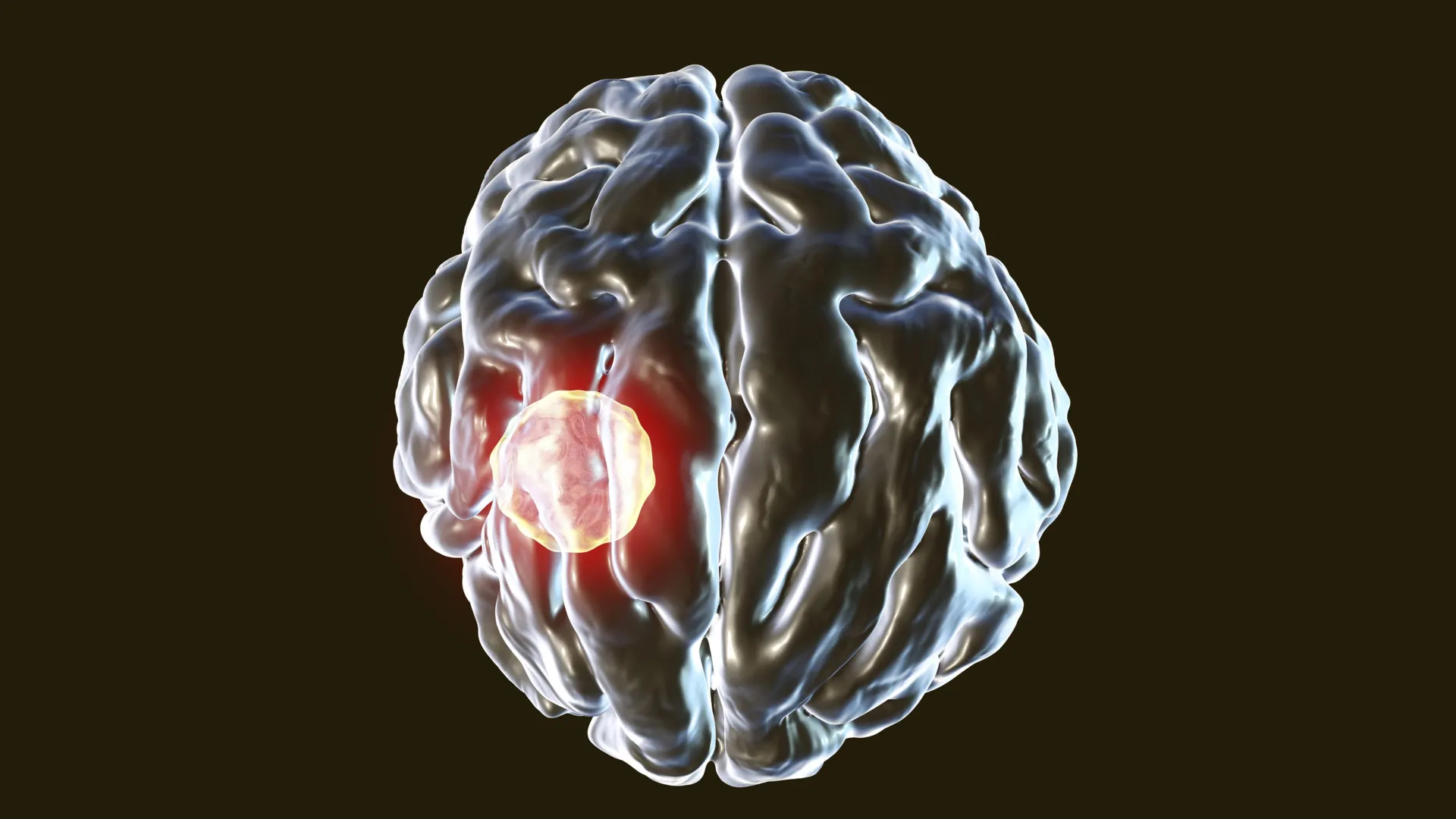
A pervasive microscopic organism, frequently encountered yet largely unperceived, has demonstrated a remarkable capacity to subvert the very cellular sentinels designed to neutralize it, a recent investigation from the University of Virginia (UVA) Health has illuminated. This groundbreaking research delves into the intricate mechanisms by which the human body effectively contains this persistent infection, offering novel insights into immune system resilience.
The organism in question, scientifically designated Toxoplasma gondii, represents a potentially formidable pathogen capable of afflicting a broad spectrum of warm-blooded species. Human exposure typically transpires through indirect routes, including close proximity to domestic felines, consumption of inadequately washed produce, or ingestion of undercooked animal flesh. Upon ingress into the host, the parasite embarks on a migratory journey, disseminating to various internal organs before establishing a latent residence within the brain, where it can endure for the entirety of an individual’s life. It is estimated that approximately one-third of the global populace harbors this parasite, yet the vast majority remain asymptomatic. Clinical manifestations, collectively termed toxoplasmosis, tend to manifest with greater severity in individuals whose immune defenses are compromised, such as those undergoing chemotherapy, organ transplant recipients, or individuals living with HIV/AIDS.
A team of scientists, spearheaded by Dr. Tajie Harris, a distinguished researcher at UVA’s Center for Brain Immunology and Glia (BIG Center), embarked on an ambitious endeavor to elucidate the immune system’s response when Toxoplasma gondii infiltrates CD8+ T cells. These specialized lymphocytes are critically important for orchestrating cellular immunity, playing a pivotal role in identifying and eradicating cells that have been infected by intracellular pathogens or that have become cancerous. The prevailing understanding prior to this study suggested that T cells primarily combatted Toxoplasma gondii through two principal avenues: directly lysing infected host cells or by issuing signaling cascades that recruit other immune components to eliminate the parasite.
However, Dr. Harris and her colleagues made a startling discovery: these very CD8+ T cells, the body’s frontline defenders, can themselves become unwitting hosts for the invading parasite. The research team hypothesized that if a T cell becomes infected, it possesses an inherent "kill switch" mechanism, a programmed cell death pathway, that it can activate. "The fundamental requirement for Toxoplasma parasites is to exist within host cells," explained Dr. Harris, who also holds an appointment in UVA’s Department of Neuroscience. "Therefore, the demise of the host cell effectively signifies the end of the line for the parasite residing within it." This revelation provided a crucial piece of the puzzle in understanding how the body maintains control over an infection that can infiltrate its most dedicated immune warriors.
The critical effector identified by the researchers is an enzyme known as caspase-8. This potent protease is a central regulator of cellular life and death, playing an indispensable role in initiating programmed cell death, a process also referred to as apoptosis. The UVA team meticulously investigated the function of caspase-8 in the context of Toxoplasma gondii infection within CD8+ T cells.
Through a series of carefully designed experiments conducted on murine models, the scientists observed a stark divergence in outcomes. Mice genetically engineered to lack caspase-8 specifically within their T cells exhibited significantly higher parasitic burdens in their brains compared to their control counterparts, which possessed functional caspase-8 in their T cells. This disparity was evident even though both groups of mice mounted robust systemic immune responses against the infection, indicating that the absence of caspase-8 within T cells created a critical vulnerability.
The ramifications of this genetic deficiency were profound. Mice devoid of caspase-8 in their T cells developed severe illness and ultimately succumbed to the infection, whereas those with functional caspase-8 in their T cells remained healthy and effectively controlled the parasitic invasion. Histopathological examination of brain tissue from the deficient mice revealed a markedly increased incidence of CD8+ T cell infection by Toxoplasma gondii. Conversely, in the healthy control group, T cells were far less frequently infected, suggesting that caspase-8 actively prevented or cleared these infected cells.
These compelling findings underscore the pivotal role of caspase-8 in curtailing Toxoplasma gondii proliferation within CD8+ T cells. The research not only sheds light on a specific defense mechanism against this particular parasite but also contributes to a growing body of evidence suggesting that caspase-8 is a broadly significant enzyme in the body’s arsenal for managing a diverse array of infectious threats. The ability of pathogens to evade or manipulate host cell death pathways is a common theme in infectious disease, and this study identifies a critical mechanism by which the immune system leverages programmed cell death to its advantage.
Dr. Harris elaborated on the broader implications of their discovery, noting the scarcity of known pathogens capable of successfully infecting CD8+ T cells. "We meticulously scoured the scientific literature for documented instances of pathogens successfully colonizing T cells, and found remarkably few examples," she stated. "Our current findings suggest a compelling explanation: the presence and activity of caspase-8 within these cells effectively act as a deterrent. Pathogens that have evolved to thrive within CD8+ T cells likely possess sophisticated strategies to interfere with or inactivate caspase-8 function." Prior to this research, the specific importance of caspase-8 in safeguarding the brain from Toxoplasma invasion had remained largely unrecognized.
The comprehensive findings of this significant research endeavor have been formally published in the esteemed scientific journal Science Advances. The collaborative research team comprised Lydia A. Sibley, Maureen N. Cowan, Abigail G. Kelly, NaaDedee A. Amadi, Isaac W. Babcock, Sydney A. Labuzan, Michael A. Kovacs, Samantha J. Batista, John R. Lukens, and Dr. Tajie Harris. The scientists involved have reported no financial conflicts of interest that could potentially bias their findings.
The extensive research was generously supported by funding from multiple sources, including significant grants from the National Institutes of Health. These include grant numbers R01NS112516, R01NS134747, R21NS12855, T32GM008715, T32AI007496, T32AI007046, T32NS115657, and F30AI154740. Additional support was provided by a University of Virginia Pinn Scholars Award, a UVA Shannon Fellowship, and UVA’s Strategic Investment Fund, collectively enabling the crucial scientific inquiry into the body’s defense against this widespread brain parasite. This detailed understanding of immune system mechanisms holds promise for developing novel therapeutic strategies for individuals susceptible to toxoplasmosis and for enhancing our broader comprehension of host-pathogen interactions.
About the Author












