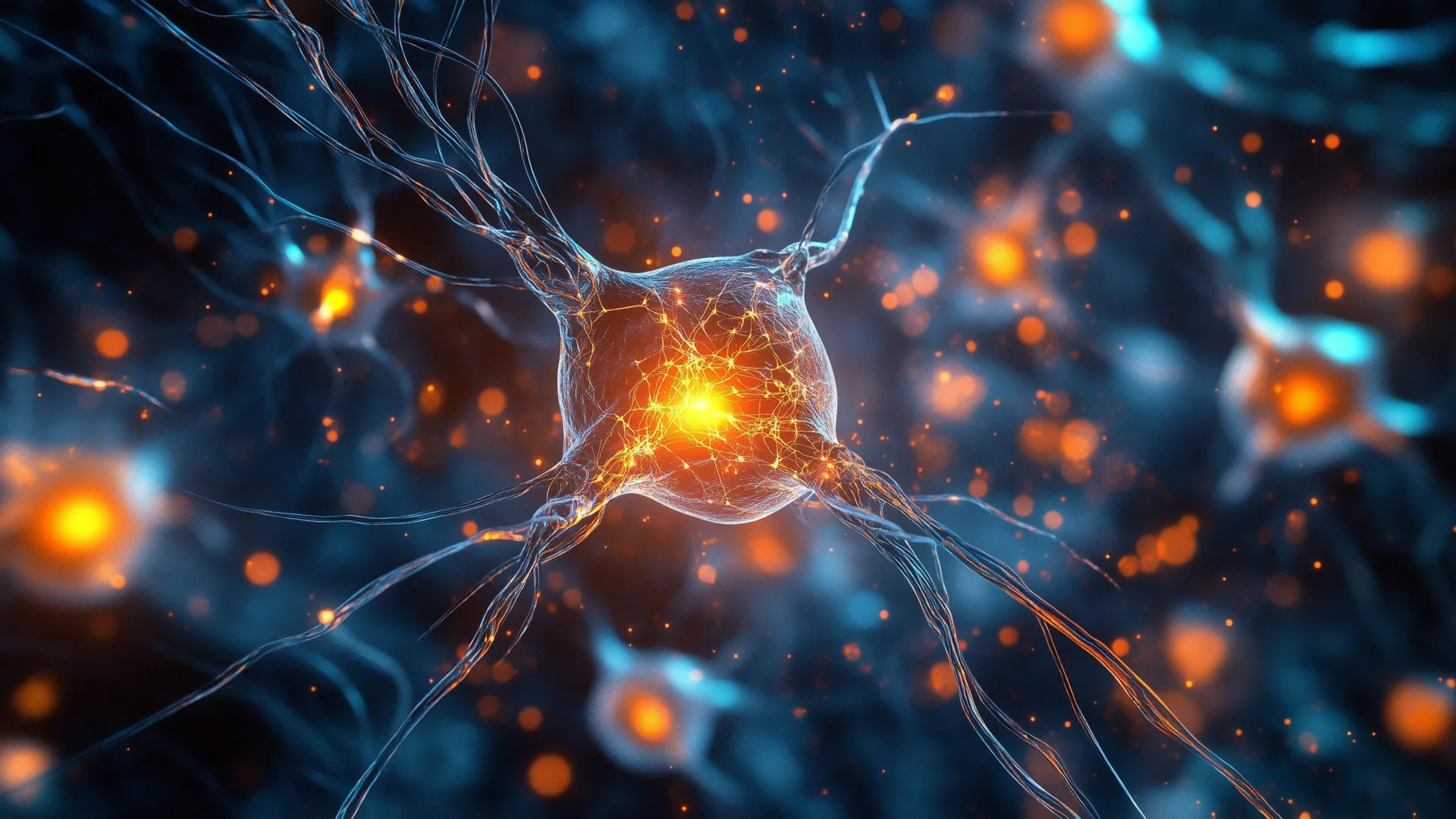
The intricate architecture of the human nervous system relies on specialized cells known as neurons, the fundamental units responsible for transmitting electrochemical signals that govern thought, movement, and sensation. Unlike many other cell types in the body, which possess a remarkable capacity for self-repair and regeneration following injury, neurons are notoriously fragile. Once their delicate extensions, called axons – the vital conduits for nerve impulses – are compromised, their ability to regenerate effectively is severely limited. This inherent vulnerability makes the brain and nervous system particularly susceptible to the debilitating consequences of events such as strokes, traumatic brain injuries, and the relentless progression of neurodegenerative diseases, where axonal deterioration often dictates the trajectory of neurological decline.
However, recent groundbreaking research emerging from the University of Michigan is poised to fundamentally reshape our understanding of why neurons succumb to damage and how they might, under certain conditions, resist or even recover from injury. This pioneering work, meticulously detailed in the esteemed journal Molecular Metabolism, proposes a novel perspective on neurodegeneration, suggesting that a neuron’s resilience is intricately linked to its internal metabolic state, specifically its efficiency in processing sugars. By elucidating this connection, the study not only offers compelling insights into the rare instances of brain recovery following trauma but also illuminates potential avenues for developing therapeutic strategies that harness the brain’s intrinsic protective mechanisms.
The research team, employing the sophisticated genetic tools and well-established biological models offered by fruit flies (Drosophila melanogaster), a species whose neural systems share remarkable similarities with those of humans, discovered a profound correlation between a neuron’s capacity to withstand degeneration and its metabolic pathways. Essentially, the way a neuron metabolizes glucose, its primary energy source, appears to be a critical determinant of its fate when faced with cellular stress or injury. This finding challenges the long-held view that neuronal breakdown is solely a consequence of external damage, instead emphasizing the active role of internal cellular processes in dictating survival or demise.
Senior author Monica Dus, an associate professor of molecular, cellular, and developmental biology at the University of Michigan, articulated the significance of this discovery, stating, "Metabolism is often altered in the context of brain injury and diseases like Alzheimer’s, but we have grappled with whether these metabolic changes are a cause or merely a consequence of the disease." Her team’s findings provide crucial evidence that metabolic state is not just an indicator but an active participant. "Here we found that dialing down sugar metabolism breaks down neural integrity, but if the neurons are already injured, the same manipulation can preemptively activate a protective program. Instead of breaking down, axons hold on longer." This observation suggests a dynamic interplay where metabolic adjustments can either exacerbate vulnerability or trigger a powerful survival response.
At the heart of this newly uncovered survival switch are two key proteins: Dual Leucine Zipper Kinase (DLK) and Sterile Alpha and TIR Motif-containing 1 (SARM1). Lead author TJ Waller, a postdoctoral research fellow on the study, identified DLK as a crucial sensor of neuronal damage. This kinase becomes particularly active when the neuron’s metabolic state is disrupted, signaling that something is amiss. SARM1, a protein long implicated in the process of axon degeneration, was found to have its activity intricately connected to the DLK response. The study demonstrates that the activation of SARM1, which typically leads to axonal breakdown, is modulated by the presence and activity of DLK.
The researchers were particularly struck by the context-dependent nature of neuronal protection. "What surprised us is that the neuroprotective response changes depending on the cell’s internal conditions," Professor Dus explained. "Metabolic signals shape whether neurons hold the line or begin to break down." This implies that the same molecular machinery can operate in opposing ways, with its ultimate effect dictated by the cell’s overall physiological state, which is heavily influenced by its metabolic health.
Delving deeper into this intricate molecular dance, the study revealed a delicate balance. In healthy, uninjured neurons, DLK activity is kept in check, and SARM1 is largely inactive, preserving the structural integrity of axons. However, when a neuron experiences injury or stress, its metabolic state shifts. This metabolic perturbation triggers DLK, which then signals to SARM1. In an intact neuron, this initial DLK activation, in conjunction with restrained SARM1 activity, appears to offer a short-term protective buffer, preventing immediate axonal collapse. This mechanism allows the neuron a critical window to initiate repair processes.
The complexity arises when this protective response is sustained. The study found that prolonged activation of DLK, while initially beneficial, can eventually flip its role from protector to perpetrator. If the metabolic signals that maintain DLK activity persist over extended periods, the kinase’s function shifts, initiating a cascade of events that leads to progressive neurodegeneration. In essence, the very mechanism that initially shielded the axon from immediate damage can, if unchecked, accelerate its demise, transforming a survival response into a destructive force. This dual nature of DLK presents a significant challenge for therapeutic intervention.
The implications for treating neurodegenerative diseases are profound. DLK, due to its central role in sensing damage and initiating downstream responses, has long been a target of interest for researchers aiming to halt or reverse neuronal loss. However, its capacity to act both protectively and detrimentally complicates straightforward inhibition. "If we want to delay the progression of a disease, we want to inhibit its negative aspect," Waller emphasized. "We want to make sure that we’re not at all inhibiting the more positive aspect that might actually be helping to slow the disease down naturally." The quest for drugs or therapies that can precisely modulate DLK’s activity, distinguishing between its protective and destructive phases, remains a formidable challenge.
Understanding the precise molecular signals that govern the switch between DLK’s opposing roles is critical. This knowledge could unlock novel therapeutic strategies that go beyond simply attempting to block damage. Instead, such strategies could focus on bolstering the neuron’s inherent ability to reinforce its own structure and function, particularly by optimizing its metabolic state. This approach shifts the paradigm from a purely reactive damage-control strategy to a proactive, resilience-building one.
The research, generously supported by grants from the National Institutes of Health, the U.S. National Science Foundation, the Rita Allen Foundation, and the Klingenstein Fellowship in the Neurosciences, represents a significant leap forward in our comprehension of neuronal health and disease. By highlighting the pivotal role of sugar metabolism in neuronal survival, the findings provide a fresh perspective on injury and disease. This novel viewpoint suggests that future treatments for brain injuries and neurodegenerative conditions may involve not only targeting the damaging agents but also carefully fine-tuning the metabolic environment within neurons to enhance their intrinsic protective and regenerative capabilities, thereby offering new hope for millions affected by these devastating conditions.
About the Author