
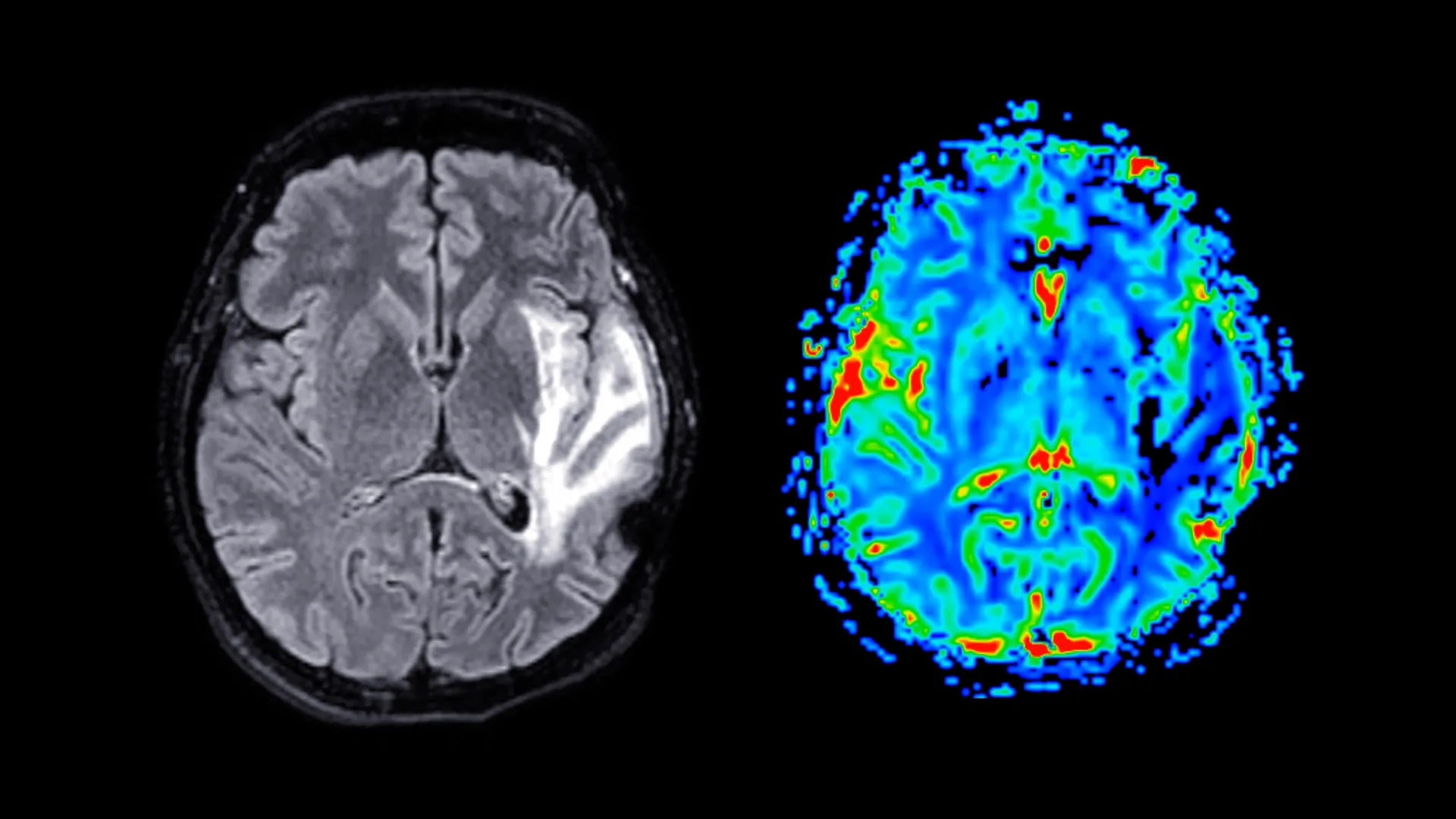
A significant body of scientific inquiry has illuminated a more direct and potent connection between prevalent physiological conditions—specifically, elevated body mass index (BMI) and hypertension—and the subsequent development of dementia, challenging previous understandings that largely viewed these as mere associative risk factors. New research, meticulously detailed in The Journal of Clinical Endocrinology & Metabolism, posits that these conditions are not simply indicators of increased vulnerability but are, in fact, active contributors to the neurological decline characteristic of dementia. This groundbreaking revelation offers a crucial paradigm shift in how we approach dementia prevention and management, highlighting the potential for intervention at the physiological level to avert cognitive impairment.
Dementia, a complex and increasingly prevalent global health challenge, encompasses a spectrum of neurological disorders characterized by a progressive deterioration of cognitive functions. These essential mental faculties, including memory recall, abstract reasoning, problem-solving capabilities, and the ability to articulate thoughts and ideas, can become so severely compromised that they profoundly disrupt an individual’s capacity to navigate daily life independently. The absence of a definitive cure underscores the critical importance of identifying modifiable risk factors and developing effective preventative strategies. Alzheimer’s disease, vascular dementia, and mixed dementia represent the most common manifestations of this condition, each stemming from distinct pathological processes that ultimately lead to the erosion of neural pathways and brain tissue. The insidious progression of these diseases means that symptoms often manifest gradually, becoming more pronounced and debilitating over time, impacting an individual’s personality, behavior, and overall quality of life.
The pivotal findings of this latest research, spearheaded by Dr. Ruth Frikke-Schmidt, a distinguished Professor and Chief Physician at Copenhagen University Hospital and the University of Copenhagen, establish a definitive causal link. "Our investigation has unequivocally demonstrated that a high body mass index and elevated blood pressure serve as direct instigators of dementia," Dr. Frikke-Schmidt stated. This assertion moves beyond correlation, suggesting that the mechanisms underlying obesity and hypertension actively precipitate the neurodegenerative processes. Consequently, the systematic management and proactive prevention of these conditions are presented not merely as beneficial health practices but as substantial, yet currently underutilized, avenues for averting dementia. The study’s methodology involved a rigorous analysis of extensive datasets drawn from participants in both Copenhagen and the United Kingdom, confirming that excess body weight is not merely correlated with dementia but actively participates in its genesis.
To rigorously ascertain the causal relationship between elevated BMI and dementia, the research team employed a sophisticated analytical framework known as Mendelian randomization. This study design, often likened to a natural experiment that mimics the controlled conditions of a randomized controlled trial, leverages common genetic variations associated with higher BMI. These genetic predispositions act as proxies for pharmacological interventions that might alter BMI. In a typical drug trial, participants are randomly allocated to receive either an active therapeutic agent or a placebo, thereby isolating the drug’s effect. Similarly, Mendelian randomization capitalizes on the random inheritance of genetic variants from parents to offspring. These variants either predispose an individual to a higher BMI or do not. The inherent randomness of genetic inheritance ensures that the distribution of these BMI-influencing genetic variants is largely independent of other lifestyle or environmental factors that could confound the results. By observing the health outcomes in individuals with different genetic endowments for BMI, researchers can infer the causal impact of BMI on disease development without the typical confounding variables often encountered in observational studies. This powerful technique enabled the researchers to distinguish cause from effect, clearly identifying high BMI as a direct determinant of increased dementia risk.
The comprehensive analysis further elucidated the crucial role of blood pressure in this intricate relationship. It was observed that a substantial proportion of the heightened dementia risk associated with obesity appears to be mediated through the pathway of elevated blood pressure. This critical insight implies that a dual-pronged approach—simultaneously focusing on the prevention or effective treatment of both obesity and hypertension—holds significant promise for reducing the incidence of dementia in later life. The study authors emphasized that high body weight and elevated blood pressure should be recognized not as passive warning signals but as active drivers of dementia pathology, rendering them highly actionable targets for preventative interventions.
The implications of these findings for early intervention strategies are profound. While weight-loss medications have been explored in individuals already exhibiting early signs of Alzheimer’s disease, current evidence suggests they have not demonstrated efficacy in slowing cognitive decline once symptoms have manifested. This observation underscores the paramount importance of timing in therapeutic interventions. The critical question remains whether initiating weight-loss interventions prior to the onset of overt cognitive symptoms could confer protective benefits against dementia. The current research strongly suggests that early interventions aimed at weight reduction, particularly those targeting the physiological pathways contributing to vascular dementia, could indeed be a potent preventative measure. This opens a new frontier for therapeutic development, shifting the focus from treating established disease to preempting its development.
The research leading to these significant conclusions was a collaborative effort involving several esteemed institutions and researchers. Key contributors included Liv Tybjørg Nordestgaard from Copenhagen University Hospital and the University of Bristol; Jiao Luo, Frida Emanuelsson, and Mette Christoffersen from Copenhagen University Hospital; Genevieve Leyden, Eleanor Sanderson, and George Davey Smith from the University of Bristol; Børge Nordestgaard and Shoaib Afzal from Copenhagen University Hospital and the University of Copenhagen; and Marianne Benn and Anne Tybjærg-Hansen from Copenhagen University Hospital and the University of Copenhagen. The study received vital financial support from the Independent Research Fund Denmark, the Capital Region of Denmark, the Lundbeck Foundation, Hjerteforeningen, and Sygeforsikringen Danmark, underscoring the commitment of these organizations to advancing cardiovascular and neurological health research. The full findings of this impactful study, titled "High Body Mass Index as a Causal Risk Factor for Vascular-related Dementia a Mendelian Randomization Study," have been published online in advance of their formal print appearance, making this crucial information accessible to the scientific community and public health professionals without delay.
About the Author












