Maintaining robust physical function is a cornerstone of healthy aging, directly influencing an individual’s independence and quality of life. As people progress beyond their mid-fifties, the gradual decline in muscle mass and strength, a phenomenon known as sarcopenia, can significantly impact daily activities, balance, and overall well-being. While many physical attributes wane with age, lower body strength and endurance are particularly critical, forming the foundation for everyday movements like standing, walking, climbing stairs, and recovering from minor stumbles. Paradoxically, many individuals cease actively evaluating this fundamental strength, often relying on routine activities or machine-based exercises that may inadvertently obscure nascent weaknesses rather than highlighting them for proactive intervention.
Among the various methods for assessing lower body fitness, the wall sit emerges as a remarkably potent and accessible diagnostic tool. This seemingly simple isometric exercise, championed by fitness experts like Tyler Read, offers a precise, unadulterated measurement of muscular endurance in the quadriceps, glutes, and core—muscle groups intrinsically linked to functional independence. Unlike dynamic movements that incorporate momentum or require complex balance, the wall sit isolates the leg muscles, subjecting them to continuous tension in a supported, static position. This singular focus makes it an invaluable benchmark for individuals aged 55 and older, providing clear insights into their current physiological capacity.
The unique efficacy of the wall sit lies in its ability to strip away external variables. When performing squats or using leg press machines, factors such as acceleration, deceleration, and the assistance of stabilizing equipment can contribute to the perceived effort, potentially masking underlying deficiencies in sustained muscle contraction. The wall sit, by contrast, demands that the muscles hold a fixed position against gravity, with the back firmly pressed against a wall, thereby eliminating issues of balance and momentum. This setup ensures that the test primarily assesses the endurance of the quadriceps femoris group, alongside significant contributions from the gluteal muscles and the stabilizing core musculature. These are precisely the qualities that exhibit the most pronounced and rapid decline as part of the natural aging process, making the wall sit a highly sensitive indicator of age-related functional changes.
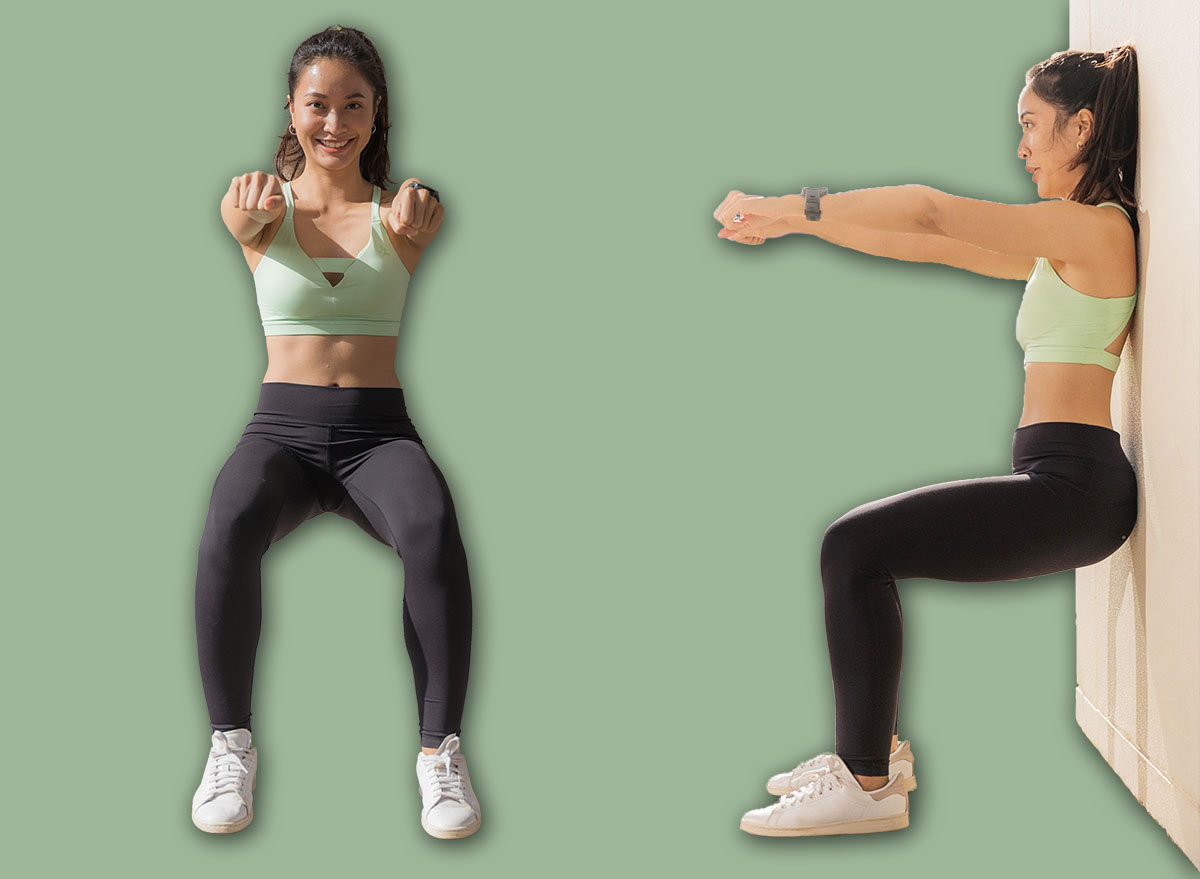
Consequently, an individual’s duration in a correctly executed wall sit position serves as a highly reliable predictor of their lower body muscular stamina. Achieving a substantial hold time after the age of 55 strongly suggests that one’s leg strength and endurance surpass that of the average peer in their demographic, indicating a superior level of physical preparedness for the demands of daily living and offering a protective buffer against common age-related mobility challenges.
To ensure the integrity and comparability of results, meticulous attention to form is paramount throughout the wall sit assessment. Deviations from proper technique can compromise the test’s accuracy, leading to an overestimation of actual endurance.
Implementing the Wall Sit Test with Precision:
- Preparation: Begin by selecting a sturdy, flat wall with ample clear space around it. Wear comfortable athletic attire and ensure your footwear provides good grip. A brief warm-up, involving light cardio and dynamic stretches for the lower body (e.g., leg swings, hip circles), is advisable to prepare the muscles and joints.
- Initial Setup: Stand with your back pressed flat against the chosen wall. Your feet should be positioned approximately shoulder-width apart, placed about 18 to 24 inches away from the wall. This distance will vary slightly depending on individual leg length, but the goal is to allow for a proper squat angle.
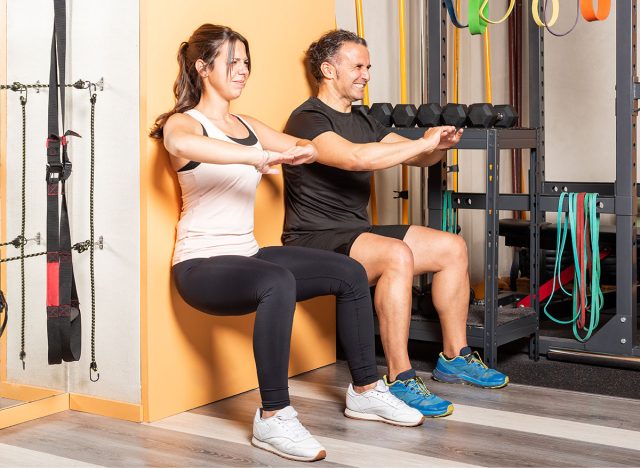
- Descent and Position: Slowly slide down the wall until your hips are at the same level as your knees, creating a 90-degree angle at both the hip and knee joints. Your thighs should be perfectly parallel to the floor, mimicking the seated position on an invisible chair. Ensure your shins are perpendicular to the floor, with your knees directly aligned over your ankles.
- Upper Body and Core Engagement: Keep your entire back, including your shoulders and head, in firm contact with the wall. Your arms should hang loosely at your sides or be gently crossed over your chest, ensuring they provide no support to your legs or torso. Actively engage your core muscles, drawing your navel towards your spine, to maintain a stable and rigid posture.
- Initiating the Hold: Once in the correct position, start a timer. Focus on controlled, steady breathing throughout the duration of the hold. Avoid holding your breath, which can elevate blood pressure and induce premature fatigue.
- Criteria for Test Termination: The timer must be stopped immediately upon any of the following occurrences, as they indicate a breakdown in form and a cessation of the effective muscle isolation:
- Your thighs drop below the parallel plane with the floor.
- Your hips rise above the parallel plane with the floor.
- Any part of your back or shoulders loses contact with the wall.
- Your hands or forearms are used to push against your thighs or the wall for support.
- You experience sharp pain in your knees or other joints (discomfort and muscle burn are expected, but pain is a stop signal).
- You can no longer maintain the proper angle and begin to slide involuntarily.
Interpreting Wall Sit Performance for Individuals Over 55:
The duration an individual can maintain perfect wall sit form provides a structured assessment of their lower body muscular endurance, offering valuable insights into their functional fitness relative to their age group.
- Below 30 Seconds: Foundational Level
- This duration suggests a limited capacity in leg endurance and quadriceps strength. Individuals in this category may experience increased difficulty with everyday tasks requiring sustained leg effort, such as climbing multiple flights of stairs, prolonged standing, or rising from low seating. This score highlights a significant area for improvement to enhance daily mobility and reduce the risk of falls.
- 30–60 Seconds: Developing Level
- Achieving a hold within this range indicates functional but moderate strength. While daily tasks are generally manageable, sustained physical activity may still lead to premature fatigue. This level signifies a good starting point for further development, with noticeable improvements often leading to greater ease and confidence in movement.
- 61–90 Seconds: Commendable Level
- Performance in this bracket signifies above-average leg engagement and improving muscular stamina. Individuals here likely possess a solid foundation of lower body strength, enabling them to comfortably handle most routine physical demands and engage in recreational activities without undue strain. This level represents a strong step towards proactive healthy aging.
- 91–120 Seconds: Highly Proficient
- An endurance time of 91 to 120 seconds is indicative of excellent lower body strength and resilience. Individuals reaching this standard are significantly ahead of most adults in their age cohort. This level of fitness contributes substantially to maintaining independence, robust balance, and a reduced risk of age-related mobility limitations.
- 2+ Minutes: Exceptional Performance (Top 10%)
- Sustaining a wall sit for two minutes or longer places an individual in an elite category for their age group, signifying superior leg strength, endurance, and mental fortitude. This exceptional level of lower body fitness provides a profound protective effect against sarcopenia, falls, and the general decline in physical function associated with aging, promoting a highly active and independent lifestyle well into later years.
The Profound Revelations of This Static Challenge:
The wall sit is more than just an exercise; it’s a physiological mirror. Unlike dynamic movements that allow for brief moments of rest or the use of momentum, the isometric contraction demanded by a wall sit imposes continuous strain on muscle fibers. This "time under tension" training challenges the muscles in a way that often goes unaddressed in conventional workout routines, particularly as individuals age. Many who regularly engage in dynamic exercises such as squats, cycling, or walking might still find themselves struggling with the wall sit. This discrepancy underscores the fact that endurance strength, especially the ability to sustain a contraction without movement, is a distinct physical attribute that can quietly diminish unless specifically targeted. The wall sit precisely targets and exposes this often-overlooked aspect of muscular fitness, revealing a crucial facet of functional capacity that is vital for long-term health and mobility.
A Strategic Approach to Elevating Your Wall Sit Duration:

Improving your wall sit performance is a gradual process that prioritizes consistency and intelligent progression over sporadic, maximal effort. The goal is to incrementally build muscular endurance and resilience.
- Consistent Practice: Incorporate wall sits into your routine 2-3 times per week. Regular exposure is key to adaptation.
- Submaximal Holds: Instead of pushing to absolute failure in a single attempt, practice multiple shorter holds. For example, aim for 3-4 sets of 30-60 seconds, resting for 60-90 seconds between sets. This approach allows for higher overall time under tension without excessive fatigue.
- Progressive Overload: Gradually increase the duration of each hold by 5-10 seconds per session or per week. Once you can comfortably hold a certain time for all sets, increase the target.
- Form First: Always prioritize perfect form over duration. A shorter hold with impeccable technique is more beneficial than a longer, compromised one. Use a mirror or record yourself to check angles.
- Complementary Strength Training: Integrate dynamic exercises that strengthen the same muscle groups. Bodyweight squats, lunges, glute bridges, step-ups, and calf raises will build foundational strength that directly translates to improved wall sit performance.
- Core Reinforcement: A strong core is crucial for maintaining proper wall sit posture. Include planks, bird-dog exercises, and dead bugs in your routine to enhance trunk stability.
- Mind-Muscle Connection and Breathing: During the hold, actively focus on engaging your quadriceps and glutes. Practice deep, diaphragmatic breathing to manage discomfort and supply oxygen to working muscles, which can significantly extend your hold time.
- Recovery and Nutrition: Support muscle repair and growth with adequate sleep and a protein-rich diet. Hydration is also essential for muscle function.
- Patience and Persistence: Recognize that improvements may be incremental. Even adding a few seconds each week accumulates into substantial gains over a month or two. Celebrate small victories and remain committed to the process.
Beyond the Test: The Broader Impact on Healthy Aging:
The implications of an improved wall sit time extend far beyond a mere number on a stopwatch. Enhanced lower body endurance directly correlates with a reduced risk of falls, a leading cause of injury and mortality in older adults. It fosters greater confidence and stability in movement, enabling individuals to navigate uneven terrain, manage stairs, and perform daily tasks like carrying groceries or gardening with greater ease and less fatigue. Furthermore, maintaining robust muscle mass through exercises like the wall sit contributes to better metabolic health, aiding in blood sugar regulation and potentially mitigating the risk of conditions such as Type 2 diabetes. Psychologically, the ability to perform physical tasks competently boosts self-efficacy and promotes a more active, engaged lifestyle, ultimately enriching the overall quality of life during the later stages of life.
In conclusion, the wall sit is far more than a simple exercise; it is a profound indicator of an individual’s readiness for active and independent aging. By diligently practicing and assessing one’s wall sit performance, individuals aged 55 and above can gain invaluable insights into their lower body functional capacity. This understanding empowers them to take proactive steps, through targeted training and consistent effort, to fortify their strength, enhance their mobility, and ultimately cultivate a more resilient, fulfilling, and independent life for years to come.
About the Author