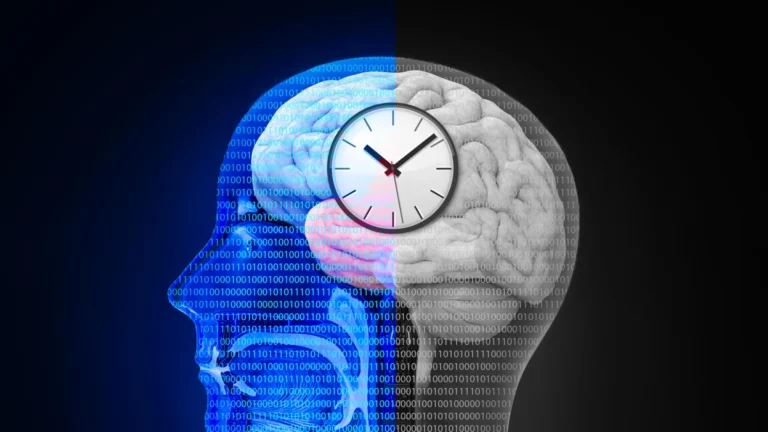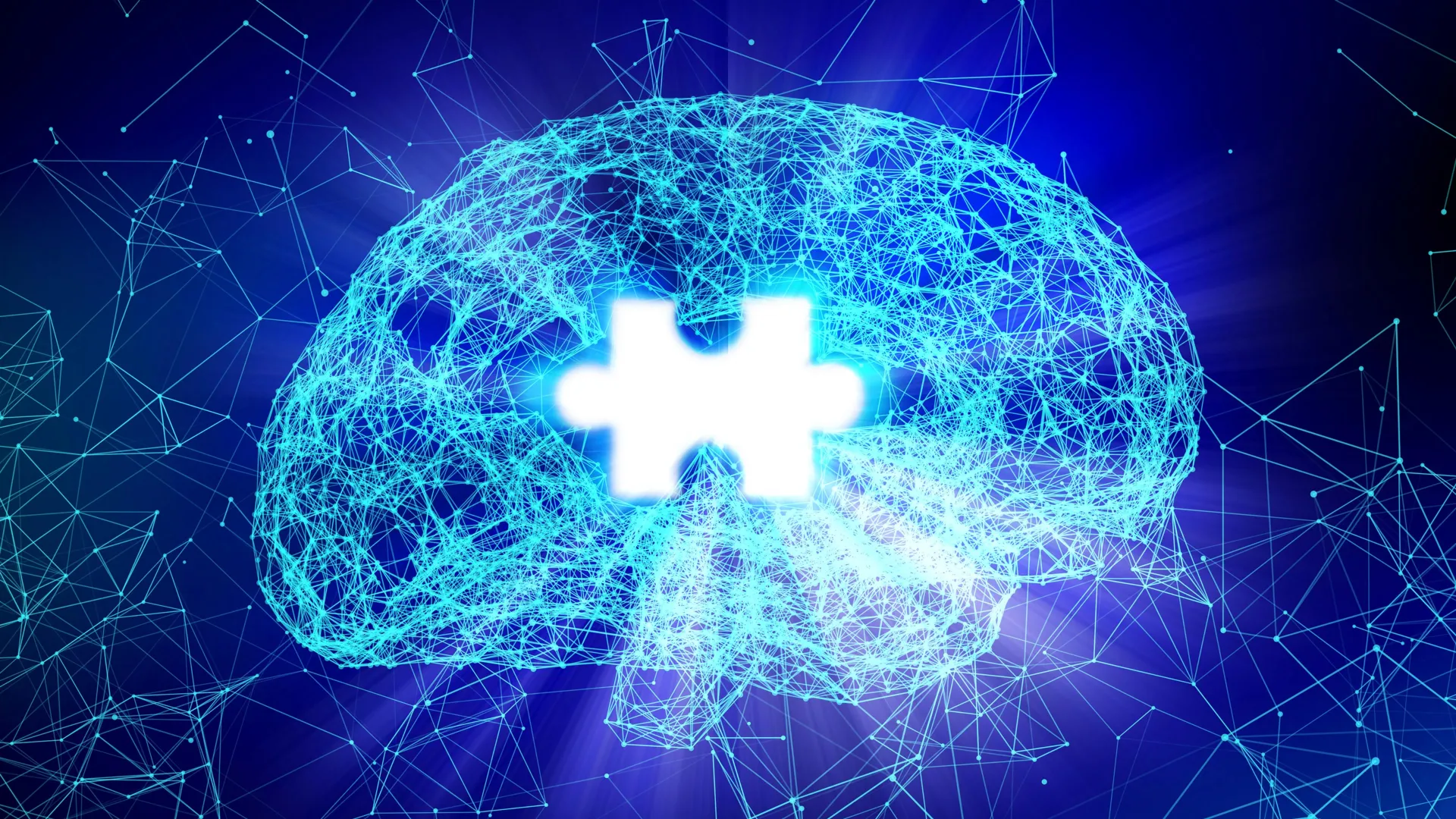
A groundbreaking investigation into the intricate mechanisms of human memory retrieval has unveiled findings that challenge long-established scientific paradigms, suggesting that distinct forms of recollection may not be governed by entirely separate neural pathways as previously hypothesized. Instead, emerging evidence points towards a more integrated brain architecture, where overlapping regions are recruited for the recall of different types of information. This potential convergence of neural activity for diverse memory functions could necessitate a significant redefinition and reimagining of how memory is conceptualized and explored within the scientific community.
This pivotal research, a collaborative effort between the School of Psychology at the University of Nottingham and the esteemed Cognition and Brain Sciences Unit at the University of Cambridge, employed a sophisticated fusion of meticulously designed behavioral experiments and functional Magnetic Resonance Imaging (fMRI) data. The scientists meticulously analyzed brain activity patterns and discovered a striking lack of quantifiable divergence between the neural processes engaged during successful episodic and semantic memory recall. The comprehensive results of this investigation have been formally published in the peer-reviewed journal, Nature Human Behaviour.
To fully appreciate the significance of these findings, it is crucial to understand the traditional distinctions between episodic and semantic memory. Episodic memory is the faculty that allows individuals to access and re-experience specific personal events, anchoring them to a particular moment in time and a distinct location. This type of memory is often likened to a personal chronicle, enabling a form of "mental time travel" where one can vividly reconstruct past occurrences, complete with contextual details and emotional resonance. It is the memory of "what happened," "when," and "where."
In contrast, semantic memory encompasses the vast repository of general knowledge and factual information about the world that individuals possess. This knowledge base includes concepts, facts, meanings, and the understanding of language. Unlike episodic memories, semantic memories are generally devoid of personal context; they are not tied to the specific learning episode and can be accessed and utilized irrespective of the time or place at which the information was acquired. It represents our understanding of "what things are" and "how the world works."
The research team ingeniously devised a series of closely matched tasks to facilitate a direct and robust comparison of the neural underpinnings of these two memory systems. Forty adult participants were engaged in remembering pairings of corporate logos and their corresponding brand names. A subset of these pairings was constructed to reflect established, real-world knowledge, thereby serving as the basis for the semantic memory task. The remaining pairings were deliberately novel, presented during an initial study phase of the experiment, and later recalled as part of the episodic memory task, requiring participants to remember the specific association encountered during the experiment.
Throughout the execution of these memory retrieval tasks, participants were continuously monitored using fMRI technology. This non-invasive neuroimaging technique operates by detecting subtle alterations in blood flow, which are intrinsically linked to neural activity. When specific areas of the brain are actively engaged in cognitive processes such as thinking, speaking, or recalling information, they experience an increased demand for oxygenated blood. fMRI scanners are capable of precisely mapping these localized increases in blood flow, thereby generating detailed three-dimensional visualizations of brain regions that are actively participating in specific cognitive functions. This capability makes fMRI an indispensable tool for advancing our understanding of brain function, diagnosing neurological disorders, and even guiding neurosurgical interventions.
The neuroimaging data yielded results that were both unexpected and profoundly significant, according to Dr. Roni Tibon, the lead author of the study and an Assistant Professor in the School of Psychology. Dr. Tibon articulated that the findings directly contradicted a long-standing tradition in memory research, which had consistently posited the existence of distinct neural substrates for episodic and semantic memory retrieval. The team’s meticulous examination revealed no discernible differences in the patterns of brain activity when participants successfully retrieved semantic information versus episodic memories. This lack of distinction suggests a considerable degree of overlap in the brain regions recruited for both types of recall, a revelation that has the potential to fundamentally alter the theoretical landscape of memory research.
Beyond challenging established assumptions, these findings may also offer novel avenues for understanding and potentially intervening in memory-related neurological conditions. Dr. Tibon suggested that the integrated nature of memory retrieval indicated by the study could provide invaluable insights into debilitating diseases such as dementia and Alzheimer’s disease. If different types of memory rely on shared neural resources, then interventions aimed at supporting overall brain health and connectivity might prove more effective in mitigating the cognitive decline associated with these conditions. This perspective shifts the focus from targeting isolated memory systems to supporting a more holistic network of brain function.
For decades, the prevailing approach in memory research has been to conceptualize episodic and semantic memory as largely independent systems, prompting researchers to investigate them in isolation. This compartmentalized approach has historically resulted in a limited number of studies that attempt to examine both memory types concurrently within a unified experimental framework, thus reinforcing the perceived separation between them.
Dr. Tibon expressed optimism that this new body of evidence could serve as a catalyst for a paradigm shift in how memory is studied. He elaborated that based on the prevailing understanding derived from prior research, the expectation was to observe stark and evident differences in brain activity patterns. However, the subtle nature of any observed discrepancies, coupled with the significant overlap detected, strongly suggests that this research should redirect the trajectory of future investigations in this field. The hope is that these findings will ignite renewed interest in exploring the interconnectedness of different memory facets and the intricate ways in which they collaborate to form our cognitive landscape. This unified perspective could unlock a more comprehensive understanding of how memory operates as a dynamic and integrated system, rather than a collection of discrete modules.
About the Author