
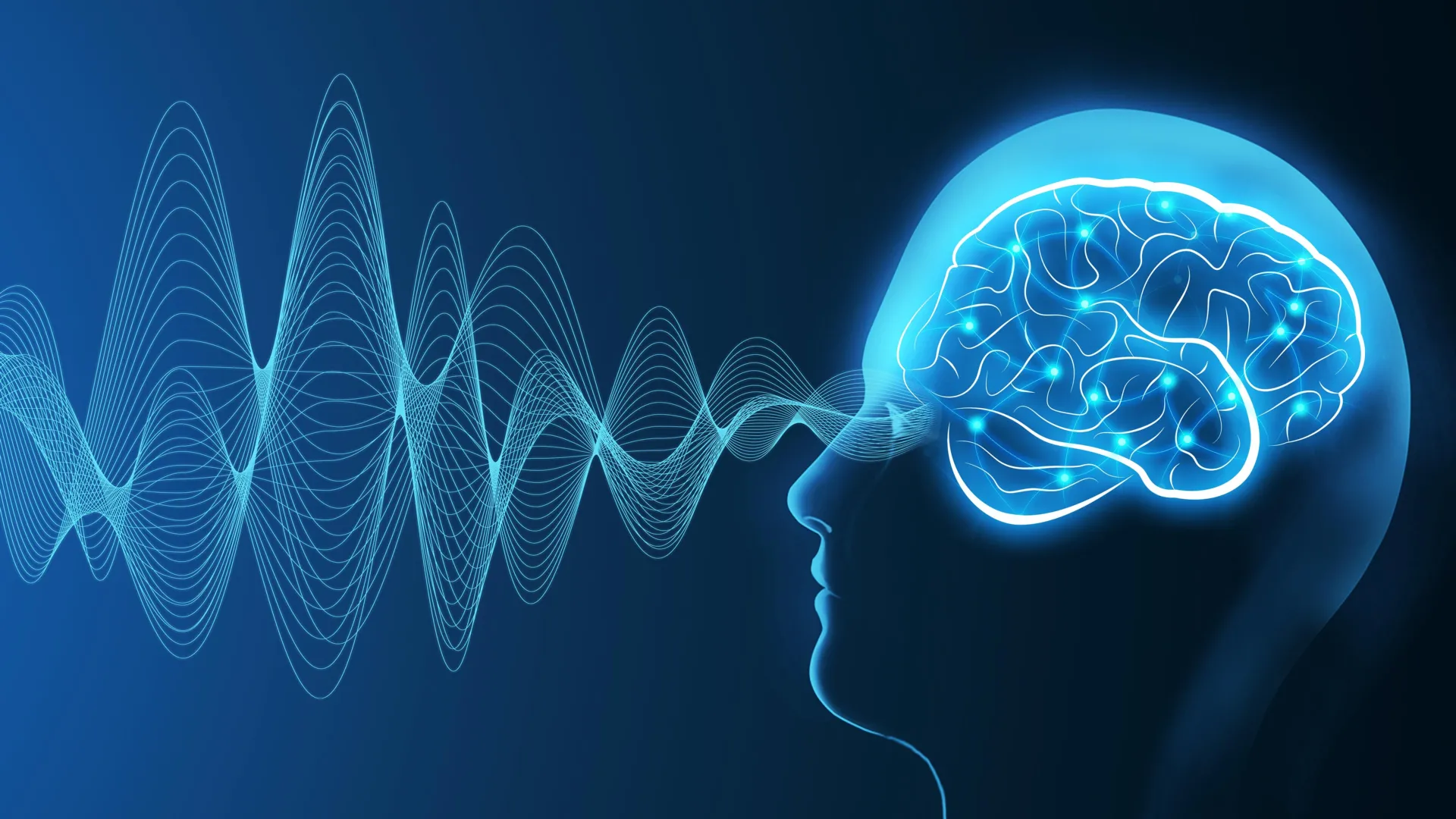
The intricate pathways that govern voluntary movement in the human body can be disrupted by severe spinal cord injuries, leading to profound and life-altering paralysis. While the physical conduits of sensation and motor control – the nerves within the limbs – may remain functionally intact and the brain’s command center continues to operate unimpeded, the crucial communication link between the brain and the periphery is severed. This interruption occurs due to damage within the spinal cord, effectively silencing the brain’s directives to the muscles. Consequently, individuals afflicted by such injuries face a significant loss of autonomy, unable to initiate or control the movement of their arms and legs.
This fundamental disconnect has spurred a dedicated quest among the scientific community to devise alternative strategies for re-establishing neural communication, circumventing the necessity of repairing the damaged spinal cord itself. The core challenge lies in finding a way to bridge the communication chasm, allowing the brain’s intentions to manifest as physical action once more.
A recent investigation, detailed in the esteemed journal APL Bioengineering, published by AIP Publishing, has illuminated a promising avenue using electroencephalography (EEG) as a potential noninvasive solution. Researchers from leading academic institutions in Italy and Switzerland have been at the forefront of this exploration, meticulously examining the feasibility of employing EEG to capture the subtle electrical signatures of intended movement generated by the brain. Their overarching objective is to ascertain whether these captured brain signals can be effectively interpreted and subsequently re-routed to stimulate the body’s motor pathways.
The underlying principle of this research is grounded in the observation that even when a limb is paralyzed, the brain continues to generate distinct electrical patterns when a person consciously attempts to move that limb. These neural impulses, originating from the brain’s motor cortex, represent the blueprint for a desired action. The critical innovation proposed by the researchers is the ability to detect, decipher, and translate these specific brain signals, ultimately transmitting them to a spinal cord stimulation device. This device, in turn, would be engineered to selectively activate the nerves responsible for eliciting movement in the affected limb, thereby bypassing the damaged spinal cord.
This pursuit of a non-surgical approach represents a significant departure from many preceding research endeavors. Historically, restoring communication between the brain and paralyzed limbs has often necessitated the implantation of electrodes directly into the brain tissue or spinal cord. While these invasive techniques have yielded encouraging preliminary results, demonstrating the potential for movement restoration, they are inherently associated with significant risks. These include the potential for infection, the need for complex surgical procedures, and the inherent dangers of implanting foreign devices within the delicate central nervous system. The research team’s motivation was to explore whether EEG could offer a safer, less burdensome alternative.
EEG systems operate by utilizing a cap adorned with an array of electrodes strategically placed on the scalp. These electrodes are designed to detect and record the minute electrical activity generated by the brain’s neurons. While the application of an EEG cap might appear somewhat intricate, the researchers emphasize that this method entirely obviates the surgical interventions and associated complications that accompany brain or spinal cord implants. As articulated by Laura Toni, an author on the study, the avoidance of surgical risks such as infections is a primary driver for exploring noninvasive technologies.
However, leveraging EEG to accurately decode intended movement signals presents considerable technological hurdles. The fundamental limitation of EEG lies in the positioning of its electrodes on the external surface of the head. This superficial placement inherently compromises the system’s ability to capture signals originating from deeper brain structures with high fidelity. Consequently, discerning the precise neural commands for movement can be more challenging compared to techniques that directly access neural activity.
This challenge is particularly pronounced when attempting to decode signals related to lower limb movements. The brain regions responsible for controlling leg and foot movements are situated deeper within the cerebral hemispheres, closer to the brain’s central axis. In contrast, the neural control centers for arm and hand movements are located in more superficial cortical areas, making their associated electrical signals more readily detectable by scalp-based EEG. Toni further elaborated on this distinction, noting that the spatial mapping of intended upper limb movements is more straightforward for decoding purposes than that of lower limb movements due to their relative positions within the brain.
To surmount these challenges in signal interpretation, the research team ingeniously employed a sophisticated machine learning algorithm. This algorithm was specifically tailored to process and analyze the inherently complex and often subtle datasets generated by EEG recordings. During the experimental phase, participants donned EEG caps and were instructed to attempt a series of predefined simple movements. The system meticulously recorded the corresponding brain activity, and this data was subsequently used to train the machine learning model. The algorithm was tasked with learning to differentiate between periods when participants actively intended to move and when they remained at rest.
The initial results of this machine learning approach demonstrated a notable success in distinguishing between instances of attempted movement and stillness. However, the algorithm encountered greater difficulty in differentiating between distinct types of movement attempts. For instance, it could reliably detect that a patient was trying to move, but distinguishing between an attempt to stand versus an attempt to walk proved to be a more formidable task for the current iteration of the system.
Despite these current limitations, the researchers express considerable optimism regarding the future potential of their methodology. They envision a pathway for significant refinement and improvement through continued research and development. A key objective for future work involves enhancing the machine learning algorithm to achieve a higher level of specificity, enabling it to recognize and differentiate between more complex and nuanced actions such as standing, walking, or even more intricate movements like climbing stairs. Furthermore, the team aims to investigate the practical application of these decoded brain signals, exploring how they could be effectively utilized to activate implanted stimulators in patients undergoing rehabilitation after spinal cord injuries.
Should these advancements materialize, this innovative approach could propel noninvasive brain scanning technologies closer to realizing their transformative potential. The ultimate goal is to offer individuals living with paralysis a tangible pathway toward regaining meaningful control over their bodies and consequently, a greater degree of independence and quality of life. This research represents a significant step forward in the ongoing endeavor to harness the brain’s inherent capabilities to overcome the profound consequences of spinal cord injury.
About the Author












