The human brain functions as an exceptionally sensitive instrument, finely attuned to the body’s internal state. Its intricate network of neurons relies on precise timing, a delicate balance between periods of activation and quiescence to maintain optimal function. When this finely tuned rhythm falters, even by a small margin, the brain’s capacity to orchestrate bodily processes can be profoundly compromised, leading to a cascade of physiological and psychological disruptions. This disruption is particularly evident in the context of cancer, where the disease can fundamentally alter the brain’s regulatory mechanisms, contributing to common afflictions like anxiety and insomnia.
At the heart of this delicate balance lies the concept of diurnal rhythms, the natural, predictable fluctuations in biological processes that occur over a 24-hour cycle. These rhythms are orchestrated by a complex feedback system known as the hypothalamic-pituitary-adrenal (HPA) axis, a crucial neuroendocrine pathway. This axis comprises the hypothalamus in the brain, the pituitary gland situated at its base, and the adrenal glands located atop the kidneys. Together, they meticulously regulate the release of stress hormones, such as cortisol in humans and its equivalent, corticosterone, in rodents. Under healthy conditions, these hormones follow a predictable ebb and flow, typically peaking in the morning and gradually declining throughout the day, reaching their lowest point at night. This rhythmic pattern is essential for maintaining energy levels, regulating metabolism, and preparing the body for periods of activity and rest.
New research, utilizing preclinical models, has illuminated how cancer, specifically breast cancer in this instance, can significantly interfere with these vital diurnal rhythms. Studies conducted by researchers have revealed that the presence of breast tumors can lead to a flattening of the normal hormonal cycle. Instead of exhibiting the characteristic fluctuations, stress hormone levels in affected animals remain unnervingly constant. This loss of rhythm is not merely an abstract physiological change; it has been directly correlated with a diminished quality of life and an increased mortality rate in the experimental subjects. The implication for human health is profound, as disrupted circadian rhythms are already well-established contributors to stress-related disorders, including the pervasive issues of anxiety and insomnia that frequently plague individuals undergoing cancer treatment.
What has particularly astonished researchers is the remarkable earliness with which these disruptions manifest. The study’s findings indicate that the interference with stress hormone rhythms occurs even before tumors become physically detectable. Within a mere three days of inducing the cancer in the animal models, a substantial blunting, approximately 40-50%, of the corticosterone rhythm was observed. This suggests that the body’s internal clock and stress regulation system are remarkably sensitive to the initial presence of cancerous cells, initiating a cascade of dysregulation long before clinical diagnosis might be possible. This early disruption highlights the insidious nature of cancer’s impact on the body’s fundamental biological processes.
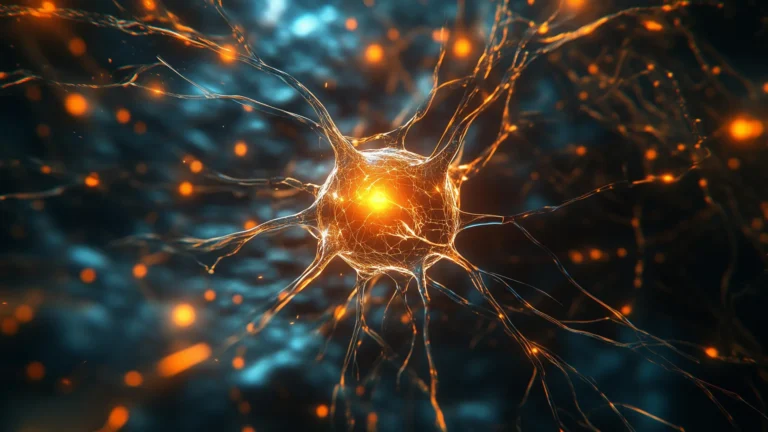
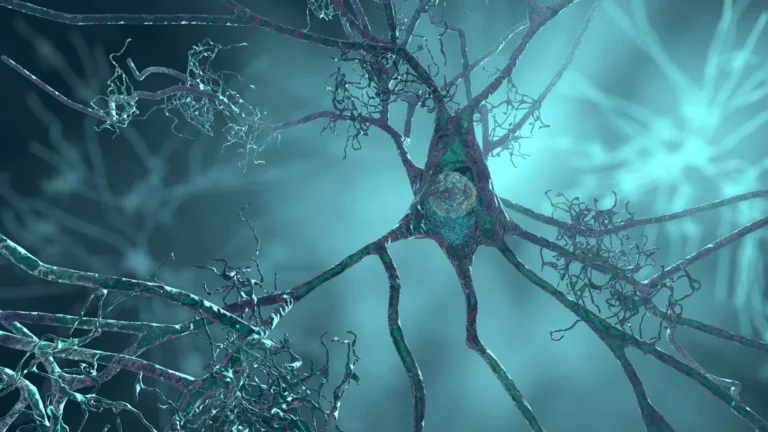
Further investigation into the neural underpinnings of these rhythm disruptions has provided crucial insights. Closer examination of the hypothalamus, a key regulator of the HPA axis, revealed that specific neurons involved in hormone signaling were exhibiting an unusual state of persistent activity, yet paradoxically, these neurons were producing attenuated signals. This suggests a breakdown in the precise firing patterns necessary for effective communication within the HPA axis.
The research team then embarked on an intervention, attempting to restore normal day and night patterns by stimulating these aberrant neurons. The results were nothing short of remarkable. The experimental intervention successfully re-established normal stress hormone rhythms. More importantly, this "resetting" of the brain’s internal clock had a profound and unexpected impact on the immune system’s ability to combat the cancer. Following the restoration of rhythmic hormonal signaling, anti-cancer immune cells began to migrate into the breast tumors with significantly increased efficacy. This surge in immune activity led to a substantial regression of the tumors.
The mechanism underlying this anti-cancer effect is still being actively investigated, but the timing of the stimulation proved to be critically important. The researchers discovered that enforcing a normal rhythm at the correct time of day amplified the immune system’s cancer-fighting capabilities. Conversely, applying the same stimulation at an inappropriate time of day yielded no beneficial effect. This underscores the absolute necessity of synchronized, rhythmic biological processes for optimal immune surveillance and response against cancer. The implication is that the body’s natural circadian timing is an indispensable component of its defense against malignant growth.
This groundbreaking research opens up exciting new avenues for enhancing existing cancer therapies. The research team is now focused on understanding the precise molecular and cellular mechanisms by which tumors initially disrupt the body’s natural rhythms. Their ultimate goal is to leverage this knowledge to improve the physiological state of cancer patients, thereby bolstering their inherent capacity to fight the disease. The significance of this approach lies in its focus on optimizing the patient’s own biological systems rather than solely relying on external treatments.
The researchers emphasize that in their experimental interventions, they did not administer anti-cancer drugs. Instead, their focus was on ensuring the patient’s physiological well-being, a strategy they believe can itself contribute to combating cancer. This paradigm shift in thinking suggests that by restoring and maintaining healthy biological rhythms, it may be possible to significantly enhance the efficacy of conventional cancer treatments. Furthermore, by improving the body’s overall physiological resilience, such interventions could potentially mitigate the debilitating side effects and toxicity associated with many current therapeutic regimens, leading to a better quality of life for patients undergoing treatment. This novel approach heralds a future where supporting the body’s intrinsic biological harmony becomes an integral component of cancer care.
About the Author