A landmark investigation, disseminated on February 4, 2026, within the esteemed pages of Neurology Open Access, a publication of the American Academy of Neurology, has illuminated a compelling association between adherence to a Mediterranean-style dietary framework and a significantly diminished susceptibility to stroke among women. While this research meticulously delineates a robust correlation, it is crucial to underscore that it does not assert a direct causal link, meaning the diet itself does not demonstrably prevent strokes; rather, it identifies a powerful interrelationship between specific dietary practices and long-term neurological health outcomes. The findings provide valuable insights into modifiable lifestyle factors influencing cerebrovascular health.
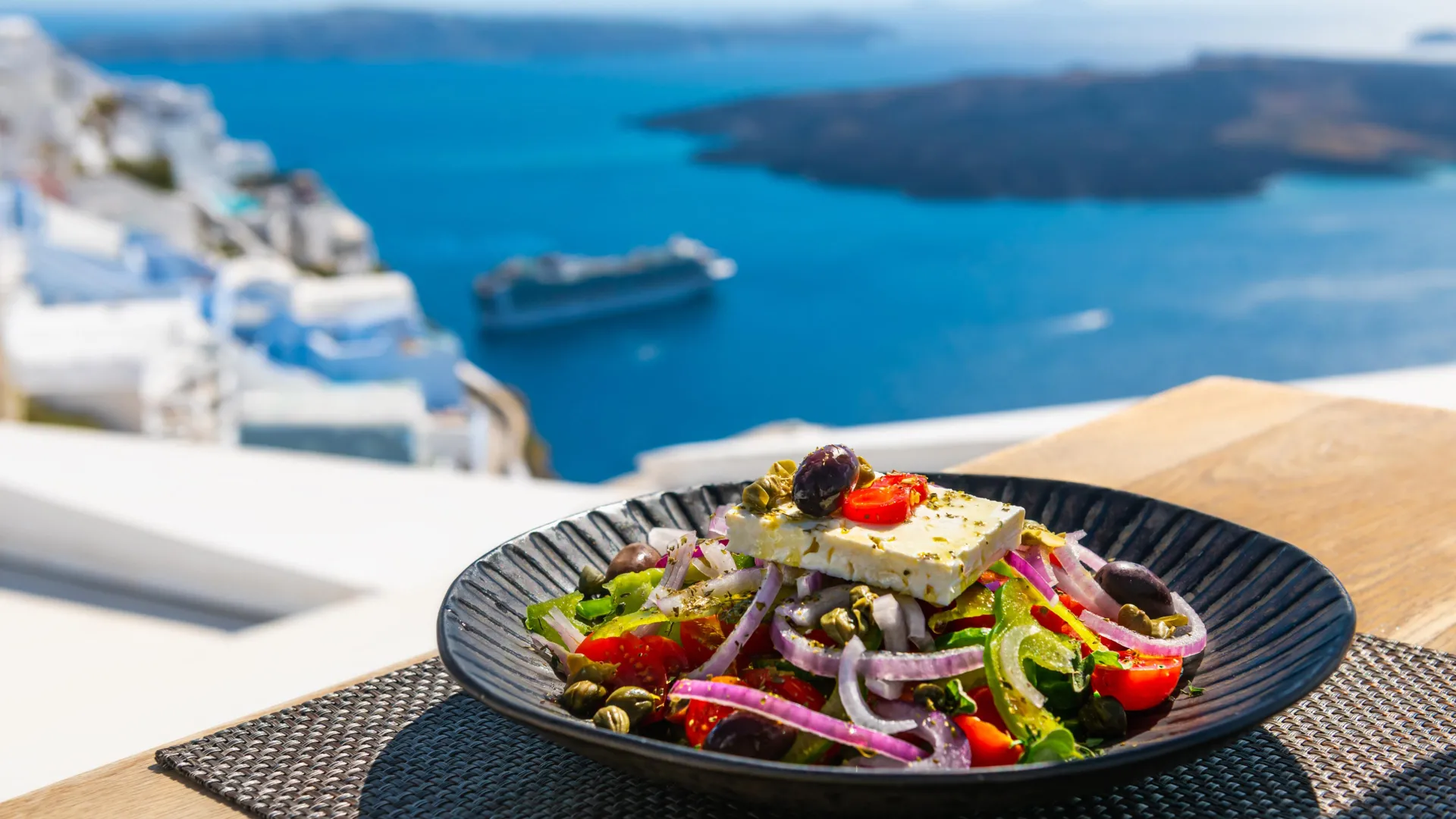
The cornerstone of the Mediterranean dietary approach involves a generous consumption of plant-based foods, encompassing a wide array of vegetables, fruits, and legumes, complemented by regular intake of fish and the judicious use of healthy fats, most notably olive oil. This eating pattern actively de-emphasizes the consumption of processed meats, excessive dairy products, and foods laden with saturated fatty acids, thereby promoting a more favorable lipid profile and reducing inflammation. Such a dietary profile is widely recognized for its multifaceted health benefits, extending beyond cardiovascular protection to encompass metabolic health and potentially even cognitive function.
Researchers meticulously observed that women who most rigorously adhered to the principles of the Mediterranean diet exhibited notably lower incidences of stroke. This protective effect extended to both primary categories of stroke: ischemic strokes, which arise from the obstruction of blood flow to a portion of the brain, and hemorrhagic strokes, characterized by the rupture of a blood vessel and subsequent bleeding within the cranial cavity. Ischemic strokes represent the predominant form of cerebrovascular accidents, posing a significant threat to brain function and survival. Hemorrhagic strokes, while less common, often carry a more severe prognosis due to the immediate damage caused by internal bleeding and elevated intracranial pressure.
Dr. Sophia S. Wang, a distinguished researcher at City of Hope Comprehensive Cancer Center in Duarte, California, and lead author of the study, emphasized the profound implications of these findings. "Our results lend considerable weight to the growing body of evidence that highlights the indispensable role of a healthy diet in the realm of stroke prevention," Dr. Wang articulated. "We were particularly intrigued by the observation that this dietary pattern appears to confer protection against hemorrhagic stroke, an area where robust, large-scale studies have historically been less prevalent." This particular aspect of the research is noteworthy, as interventions targeting hemorrhagic stroke prevention have often proven more elusive than those for ischemic stroke.
To elucidate this intricate relationship, the study meticulously enrolled and monitored a cohort of 105,614 women who were free of any history of stroke at the commencement of the research period. The average age of these participants was 53 years, placing them within an age demographic where proactive health measures can have a substantial impact on long-term well-being. At the outset of the investigation, each participant meticulously completed a comprehensive dietary questionnaire designed to capture a detailed account of their habitual food consumption patterns. Based on the responses provided, researchers then assigned a numerical score to each woman, ranging from zero to nine. This scoring system quantified the degree to which their dietary habits aligned with the established guidelines of the Mediterranean diet.
The scoring methodology awarded one point for exceeding the population average in the consumption of key Mediterranean diet components, such as whole grain cereals, fruits, vegetables, legumes, olive oil, and fish. Furthermore, a point was allocated for moderate alcohol consumption, a practice often associated with the Mediterranean lifestyle, and for consuming less red meat and dairy than the average participant. This granular approach allowed for a nuanced assessment of dietary adherence. The study’s participants were categorized into distinct groups based on their adherence scores: approximately 30% of the cohort achieved scores between six and nine, representing the highest level of adherence, while a smaller segment, around 13%, fell into the lowest adherence group, scoring between zero and two.
Over an extended follow-up period averaging 21 years, researchers diligently tracked the health outcomes of the participating women. During this extensive observational timeframe, a total of 4,083 stroke events were meticulously recorded. This aggregate figure comprised 3,358 instances of ischemic stroke and 725 occurrences of hemorrhagic stroke. A comparative analysis revealed stark differences in stroke incidence across the dietary adherence groups. Specifically, women in the highest Mediterranean diet adherence group experienced 1,058 ischemic strokes, in contrast to the 395 cases observed in the lowest adherence group. Similarly, for hemorrhagic strokes, the highest adherence group reported 211 cases, compared to 91 cases in the lowest adherence group.
Crucially, the statistical analysis rigorously accounted for a constellation of established stroke risk factors that could potentially confound the observed associations. These included critical variables such as smoking status, levels of physical activity, and the presence of hypertension (high blood pressure). Even after these adjustments, the significant differences in stroke risk between the dietary adherence groups persisted. The findings indicated that women who most closely followed the Mediterranean diet were 18% less likely to experience any type of stroke compared to their counterparts with the lowest dietary adherence scores. Delving deeper, their risk of experiencing an ischemic stroke was reduced by 16%, and remarkably, their risk of hemorrhagic stroke saw a substantial decrease of 25%.
"Stroke stands as a primary driver of mortality and disability worldwide, making the prospect of mitigating its impact through dietary modifications exceptionally promising," stated Dr. Wang, underscoring the profound public health significance of the research. "While these findings are immensely encouraging, further rigorous investigations are warranted to definitively confirm these associations and to unravel the precise biological mechanisms that underpin these observed protective effects. Such endeavors will be instrumental in identifying novel and more targeted strategies for stroke prevention." The study’s limitations, acknowledged by the researchers, include the reliance on self-reported dietary information, which inherently carries the potential for recall bias and inaccuracies in reporting eating habits. Nevertheless, the sheer scale of the study and the robustness of the statistical analyses employed lend considerable credibility to its conclusions. The research was generously supported by funding from the National Institute of Neurological Disorders and Stroke, a testament to the national importance placed on understanding and combating cerebrovascular diseases. The study’s focus on women is particularly relevant, as stroke presentation and risk factors can differ between sexes, making sex-specific research invaluable for tailored health guidance. The long-term nature of the follow-up is also a significant strength, allowing for the observation of chronic disease development and the impact of sustained lifestyle choices over many years.
About the Author