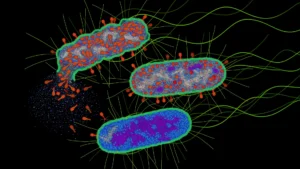
A groundbreaking preclinical study conducted by researchers at the University of Victoria (UVic) has unveiled a novel molecular pathway that could fundamentally alter the therapeutic landscape for major depressive disorder (MDD), particularly in individuals experiencing concurrent gastrointestinal disturbances. The investigation spotlights a critical glycoprotein, Reelin, suggesting its potential not only to fortify the intestinal barrier, often referred to colloquially as "leaky gut," but also to alleviate symptoms associated with clinical depression, thus bridging two seemingly disparate physiological systems through a common molecular target.
The intricate relationship between the human brain and the enteric nervous system, commonly termed the gut-brain axis, has emerged as a focal point in contemporary biomedical research. This bidirectional communication network, comprising neural, hormonal, and immunological pathways, plays a pivotal role in regulating a vast array of physiological processes, from digestion and nutrient absorption to mood and cognitive function. Dysregulation within this axis is increasingly implicated in the etiology and exacerbation of various neuropsychiatric conditions, including anxiety disorders and MDD. Major depressive disorder, a severe and pervasive mental health condition characterized by persistent low mood, anhedonia, and other debilitating symptoms, affects millions globally and presents significant challenges in treatment, with many patients failing to achieve remission with conventional therapies.
One critical component of gut health is the integrity of the intestinal barrier, a sophisticated single-cell layer that selectively permits the passage of essential nutrients while rigorously blocking harmful pathogens, toxins, and undigested food particles from entering the bloodstream. This barrier functions as a crucial gatekeeper, maintaining a delicate balance within the internal milieu. However, chronic psychological stress, a pervasive feature of modern life and a known precipitant for MDD, has been shown to compromise this vital protective layer. Prolonged exposure to stressors can lead to increased intestinal permeability, a condition where the tight junctions between epithelial cells loosen, allowing undesirable substances to "leak" into the systemic circulation.
The consequences of a compromised intestinal barrier extend far beyond mere digestive discomfort. When bacteria, their byproducts (like lipopolysaccharides), and other inflammatory molecules escape the gut lumen, they trigger a robust immune response throughout the body. This systemic inflammation, characterized by the release of pro-inflammatory cytokines, can readily cross the blood-brain barrier, directly influencing brain function and neurochemistry. Accumulating evidence strongly links neuroinflammation to the pathogenesis and exacerbation of depressive symptoms, suggesting a vicious cycle where chronic stress damages the gut, leading to inflammation that, in turn, worsens mental health outcomes. This intricate interplay underscores why therapeutic strategies that aim to restore gut barrier function hold immense promise for managing MDD.
Enter Reelin, a large extracellular matrix glycoprotein initially recognized for its crucial role in neuronal migration during brain development and its ongoing function in synaptic plasticity and memory formation in the adult brain. Reelin is not confined to the central nervous system; it is ubiquitously expressed across various peripheral tissues, including the liver, blood, and intestines, hinting at broader physiological roles beyond its well-established neurological functions. This widespread presence suggests Reelin might be involved in diverse cellular processes, making it a compelling candidate for investigations into multi-systemic disorders.
The recent study, published in the esteemed journal Chronic Stress, sought to elucidate the specific contribution of Reelin to gut health, particularly under the duress of chronic stress. Led by Dr. Hector Caruncho, a professor of medical sciences at UVic and the corresponding author, along with Ciara Halvorson, a neuroscience PhD student and the study’s first author, the research team employed preclinical models designed to mimic the physiological and psychological impact of chronic stress. Their hypothesis posited that if Reelin is integral to maintaining cellular health and integrity in the brain, it might exert similar protective effects within the rapidly regenerating environment of the gut.
The findings were compelling. In animal models subjected to chronic stress paradigms, the researchers consistently observed a significant reduction in Reelin levels within the intestinal tissues. This depletion correlated with markers of increased intestinal permeability, reinforcing the notion that stress directly impairs gut barrier integrity and that Reelin might be involved in its maintenance. Crucially, the team demonstrated that a single intravenous administration of a relatively small dose of Reelin (3 micrograms) was sufficient to reverse these stress-induced deficits, effectively restoring intestinal Reelin concentrations to baseline levels. This restoration was not merely biochemical; it was accompanied by a measurable improvement in gut barrier function.
These observations align with previous research that has highlighted Reelin’s multifaceted protective capabilities. Earlier investigations have established a correlation between lower Reelin levels in the brains of individuals diagnosed with MDD and the severity of their symptoms. Similarly, in rodents exposed to chronic stress, a single Reelin injection has been shown to produce notable antidepressant-like effects, suggesting a direct impact on neurobehavioral parameters. Furthermore, prior scientific literature has indicated Reelin’s essential role in the healthy and rapid turnover of the gut lining, a process vital for the constant repair and regeneration of intestinal epithelial cells, which typically renew every four to five days due to their constant exposure to potential irritants and pathogens.
The proposed mechanism by which Reelin exerts its beneficial effects involves several critical aspects of gut maintenance. By supporting the robust renewal of the gut lining, Reelin likely contributes to the structural integrity of the intestinal barrier. This includes fostering the formation and stability of tight junctions, specialized protein complexes that seal the spaces between epithelial cells and are crucial for regulating permeability. By fortifying this barrier, Reelin can prevent the translocation of harmful substances from the gut lumen into the circulation, thereby interrupting the cascade of systemic inflammation that contributes to neuroinflammation and the worsening of depressive symptoms. In essence, Reelin may act as a crucial endogenous protector, mitigating the detrimental cycle initiated by chronic stress.
The implications of these findings are profound for the management of MDD. This research introduces a novel therapeutic paradigm that moves beyond purely targeting neurotransmitter systems in the brain, offering a comprehensive strategy that simultaneously addresses both gut and brain pathology. For the significant subset of MDD patients who also suffer from comorbid gastrointestinal conditions, this approach could be particularly transformative, offering a single intervention that addresses multiple facets of their illness. Dr. Caruncho emphasized the growing importance of the gut-brain axis in understanding complex psychiatric disorders, noting that Reelin-based therapies represent a promising avenue for addressing the underlying physiological mechanisms contributing to depression.
While the results from these preclinical investigations are highly encouraging, the journey toward clinical application requires meticulous and extensive further research. Before Reelin-based treatments can be considered for human use, comprehensive studies focusing on long-term efficacy, safety profiles, optimal dosing, and potential side effects in diverse patient populations are imperative. Nonetheless, the current findings mark a significant advancement in our understanding of the gut-brain axis and offer a beacon of hope for developing more effective, holistic treatments for major depressive disorder. The study received vital financial backing from the Canadian Institutes of Health Research (CIHR) and the Natural Sciences and Engineering Research Council of Canada (NSERC), underscoring the national importance attributed to this pioneering work. As scientific inquiry continues to unravel the complexities of the human body, Reelin stands out as a promising molecular target capable of reshaping therapeutic approaches for mental health conditions by acknowledging and leveraging the interconnectedness of our physiological systems.
About the Author