
Major depressive disorder (MDD), a pervasive and debilitating mental health condition, profoundly impacts an individual’s cognitive processes, emotional states, and daily functioning. Already a significant contributor to global disability, projections indicate that MDD will ascend to become the foremost and most economically burdensome illness worldwide by the year 2030. Despite the availability of numerous pharmacological interventions, the journey to identify the most effective treatment for a given patient remains fraught with uncertainty. A substantial proportion of individuals, approaching one-third, fail to experience meaningful improvement after their initial course of antidepressant medication, frequently initiating a protracted period of therapeutic experimentation.
A primary impediment to more effective treatment selection stems from the absence of clear, objective diagnostic and prognostic tools capable of guiding clinicians toward the optimal therapeutic strategy for each unique patient. Current treatment decisions largely hinge on a constellation of subjective symptom reports, comprehensive medical histories, and the accumulated experience of practitioners, rather than on concrete biological indicators. In an effort to address this critical gap, a recent scholarly investigation, documented in the esteemed journal General Psychiatry, embarked on an exploration into the potential contributions of traditional Chinese medicine (TCM) to the management of MDD and, crucially, whether advanced brain imaging modalities could serve as a predictive instrument for treatment efficacy.
The cornerstone of this research was a meticulously designed randomized, double-blind, placebo-controlled clinical trial, comprising 28 outpatients formally diagnosed with MDD. These participants were recruited from the Fourth People’s Hospital of Taizhou. The randomized nature of the trial ensured that participants were allocated to different treatment arms through a process of chance, thereby mitigating systematic selection bias. The double-blind methodology was paramount, guaranteeing that neither the participants nor the research personnel administering the interventions were aware of which specific treatment each individual was receiving, further safeguarding against observer and participant expectations influencing outcomes. The inclusion of a placebo-controlled element was essential for establishing a robust benchmark, enabling researchers to rigorously differentiate the effects of the active treatments from any perceived benefits derived from the mere act of receiving an intervention.
Participants were strategically assigned to one of two distinct treatment cohorts. The first cohort was administered Yueju Pill, a meticulously formulated herbal remedy rooted in traditional Chinese medicine, concurrently with a placebo designed to mimic the appearance and administration of escitalopram. The second cohort received escitalopram, a widely prescribed selective serotonin reuptake inhibitor (SSRI) antidepressant, accompanied by a placebo formulated to resemble Yueju Pill. This elegant experimental design facilitated a direct and equitable comparison between the therapeutic efficacy of Yueju Pill and escitalopram under precisely controlled conditions, minimizing confounding variables.
To systematically evaluate the impact of these interventions, the research team employed a multi-faceted approach. The severity of depressive symptoms was quantitatively assessed using the 24-item Hamilton Depression Scale (HAMD-24), a widely recognized and validated clinical instrument for measuring depression symptomatology. Beyond clinical assessments, the study delved into the biological underpinnings of depression and treatment response. Peripheral blood samples were meticulously collected to analyze key biochemical markers, and sophisticated magnetic resonance imaging (MRI) scans were performed to investigate potential alterations in brain structure and neurobiological function.
Upon completion of the treatment period, both experimental groups demonstrated notable improvements in their reported depression symptoms, suggesting a comparable degree of effectiveness between Yueju Pill and escitalopram in alleviating the clinical manifestations of depression. However, a significant divergence emerged at the biological level. Specifically, individuals in the Yueju Pill treatment group exhibited a statistically significant elevation in serum levels of brain-derived neurotrophic factor (BDNF). BDNF is a crucial protein that plays a pivotal role in neurogenesis, the survival and growth of existing neurons, the formation of new synaptic connections, and the intricate regulation of mood. Previous research has consistently linked diminished BDNF levels to the pathophysiology of depression, rendering this particular finding highly significant.
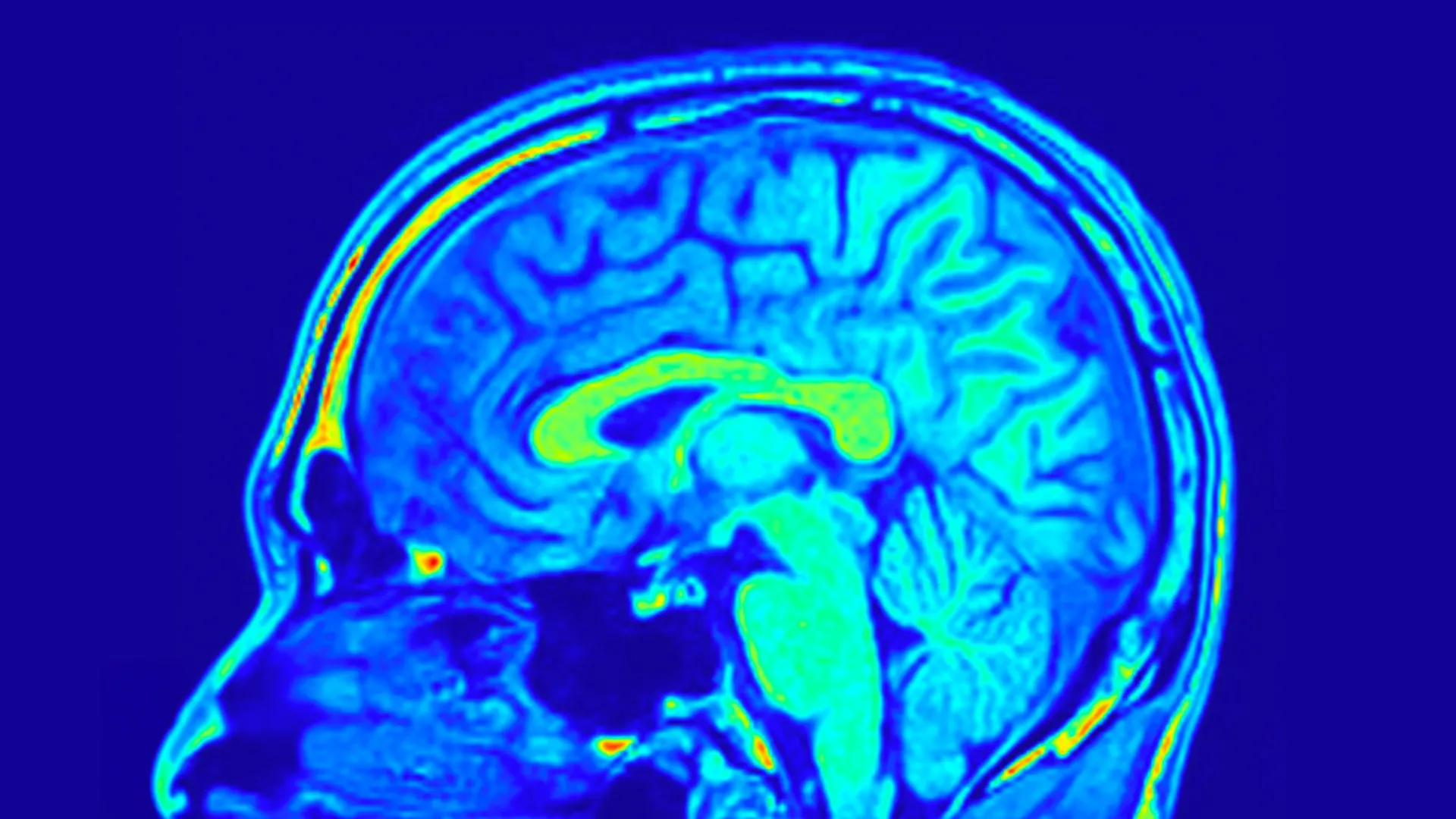
The advanced brain imaging data provided even more profound and nuanced insights into the differential effects of the treatments. The researchers identified that specific interconnected networks formed by distinct brain structures possessed the capacity to predict changes in depression symptom scores across both treatment groups. These neural networks, representing the intricate communication pathways and functional organization between different brain regions, offer a window into the underlying neural mechanisms of mood regulation.
More remarkably, the study uncovered that certain characteristic brain patterns, discernible through MRI, demonstrated predictive power exclusively in patients undergoing treatment with Yueju Pill. These predictive patterns were derived from measurements of sulcus depth and cortical thickness, which quantify the degree of folding of the cerebral cortex and the thickness of its outer layer, respectively. Both of these neuroanatomical features are intimately associated with brain development, cognitive processing, and overall neural function. Further detailed analysis revealed that the brain’s visual network, a system primarily responsible for processing visual information, played a particularly crucial role in foretelling improvements in both depressive symptoms and BDNF levels among participants who received Yueju Pill.
Collectively, these groundbreaking findings strongly indicate that specific brain network configurations, identifiable through advanced MRI techniques, hold the potential to serve as reliable predictors of individual patient response to Yueju Pill therapy for MDD. This innovative approach represents a significant departure from traditional symptom-based treatment selection, paving the way for a more personalized and precision-oriented paradigm in antidepressant care.
Should these preliminary findings be substantiated through larger-scale, more diverse clinical trials, this neuroimaging-guided strategy could empower clinicians to more accurately match patients with therapeutic interventions that are demonstrably more likely to yield positive outcomes, thereby substantially reducing the often-prolonged periods of trial and error and ultimately improving patient well-being. As Dr. Zhang, the lead investigator of the study, articulated, "The brain networks can then be fed to the predictive models constructed in this study to predict patients’ responses to Yueju Pill treatment. Based on the predicted responses, we can then determine whether the patient is suitable for Yueju Pill treatment." This scientific advancement underscores the profound potential inherent in the synergistic integration of traditional medicinal knowledge with cutting-edge neuroimaging technologies, heralding a new era of personalized and highly effective depression management.
About the Author












