A significant development has emerged within the American casual dining sector, as FAT Brands Inc. and its affiliate, Twin Hospitality Group Inc., have initiated voluntary Chapter 11 bankruptcy proceedings. This strategic legal maneuver aims to facilitate a comprehensive financial reorganization for an extensive portfolio of well-known restaurant concepts, collectively encompassing approximately 2,200 locations across the globe. The move comes as the conglomerate, which owns popular chains like Twin Peaks, Smokey Bones, Fatburger, Johnny Rockets, Round Table Pizza, and Fazoli’s, seeks to recalibrate its financial architecture amidst a complex debt landscape and ongoing litigation.
The decision to file for Chapter 11, a provision under U.S. bankruptcy law designed for corporate rehabilitation rather than liquidation, was made public recently, signaling a pivotal phase for the restaurant group. For a company of FAT Brands’ considerable scale, which manages a diverse collection of fast-casual and full-service dining establishments, such a filing underscores the intricate financial pressures impacting even large, established entities in the highly competitive food service industry. The ultimate objective, as articulated by the companies, is to emerge from this process with a fortified balance sheet and enhanced operational flexibility, thereby securing long-term viability and growth trajectories for its constituent brands.
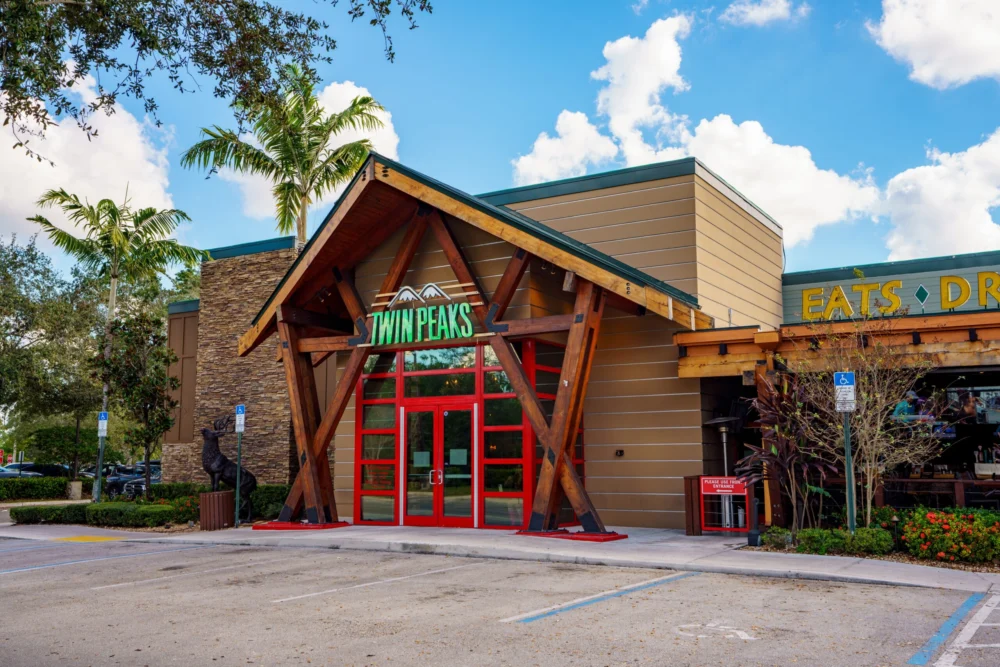
FAT Brands operates as a global franchising company, overseeing a vast network of franchisees who run its various restaurant banners. Its brand portfolio is notably broad, catering to diverse consumer preferences. Key among these are Fatburger, celebrated for its customizable burgers; Johnny Rockets, an iconic 1950s-style diner; Round Table Pizza, a stalwart in the pizza segment; and Fazoli’s, a popular Italian fast-casual chain. The filing also directly impacts Twin Hospitality Group Inc., which specifically holds the ownership of Twin Peaks Restaurant and Smokey Bones Bar & Fire Grill. Twin Peaks is recognized for its distinctive lodge-style ambiance and sports bar concept, while Smokey Bones offers a casual dining experience centered around barbecue and grilled items. The sheer number of establishments under this corporate umbrella, exceeding two thousand, highlights the widespread consumer touchpoints affected by this financial restructuring.

Understanding the nature of Chapter 11 bankruptcy is crucial to grasping the implications of this announcement. Unlike Chapter 7, which typically involves the liquidation of assets to repay creditors, Chapter 11 permits a debtor company to continue its operations while formulating a plan to reorganize its business and financial obligations. This legal framework offers a protective shield, temporarily halting most collection efforts from creditors and providing management with the necessary breathing room to negotiate new terms for its debts. The goal is to restructure liabilities, streamline operations, and ultimately return to profitability. For a multi-brand entity like FAT Brands, this process typically involves extensive negotiations with various classes of creditors, including bondholders, vendors, and landlords, to forge a consensual reorganization plan that can then be approved by the bankruptcy court.
The immediate catalyst for this Chapter 11 filing appears to be multifaceted, stemming from both a significant overall debt burden and a specific legal challenge. Reports indicate that as of November 2025, FAT Brands was grappling with approximately $1.26 billion in debt owed to its various creditors. Such a substantial financial overhang can severely restrict a company’s ability to invest in growth, manage working capital, and weather market fluctuations. The warning signs of potential financial distress had reportedly been present, with internal communications from FAT Brands CEO Andy Wiederhorn to franchisees earlier indicating ongoing "active, constructive discussions with bondholders to prudently reshape parts of our balance sheet." These discussions were framed as part of a broader initiative to financially strengthen the company and support continued brand investment and development.
Adding further pressure, the bankruptcy filing closely followed a lawsuit initiated by Investor 352 Fund, which is identified as the company’s largest bondholder. This legal action sought to recover $109 million, a claim that reportedly included Class B Common stock tied to the ownership of Twin Peaks. A lawsuit of this magnitude from a major bondholder can often accelerate a company’s financial crisis, potentially triggering default clauses in other debt agreements and compelling a more immediate and comprehensive solution, such as Chapter 11. The interplay between an accumulated debt load and an aggressive creditor lawsuit often creates an untenable situation, making a formal reorganization process the most viable path forward for a company to protect its assets and attempt a turnaround.
Despite the gravity of a bankruptcy filing, both FAT Brands and Twin Hospitality Group have expressed a commitment to maintaining business continuity throughout the Chapter 11 proceedings. Statements released by the companies emphasize that all Twin Peaks and Smokey Bones restaurants, as well as the other brands under the FAT Brands umbrella, are expected to remain operational. Management’s public communications stress that the primary focus during this period will be on delivering quality service to customers, upholding strong relationships with franchise partners, and supporting the thousands of corporate and franchise employees who are integral to the daily operations of these establishments. This messaging is critical for reassuring consumers, investors, and the workforce that the restructuring is intended to be an internal financial matter, rather than an immediate threat to the existence of the popular restaurant chains.
The broader restaurant industry has faced a confluence of challenges in recent years, which provides important context for this development. The COVID-19 pandemic introduced unprecedented disruptions, forcing widespread closures, shifting consumer behaviors towards off-premise dining, and accelerating digital transformation. While many establishments demonstrated remarkable resilience, the lingering effects, combined with subsequent economic headwinds, have created a difficult operating environment. Inflationary pressures on food costs, rising labor expenses, and persistent supply chain issues have squeezed profit margins across the sector. Additionally, evolving consumer preferences, increased competition, and the constant need for innovation demand significant capital investment. Even well-established chains with strong brand recognition can find their financial models strained under such cumulative pressures, making prudent capital management and a robust balance sheet more critical than ever.
Looking ahead, the Chapter 11 process for FAT Brands and Twin Hospitality will involve several key phases. The companies will work diligently with their legal and financial advisors to negotiate with their various creditors, aiming to develop a consensual plan of reorganization. This plan will detail how the companies intend to repay their debts over time, which may involve debt-for-equity swaps, extended payment terms, or other financial restructuring mechanisms. Court approval of such a plan is paramount, ensuring that it is fair and equitable to all parties involved. The outcome could lead to a stronger capital structure, potentially reducing the overall debt burden, optimizing operational efficiencies, and enabling renewed investment in brand development and expansion initiatives.
Ultimately, the Chapter 11 filing by FAT Brands and Twin Hospitality Group represents a significant corporate undertaking to address substantial financial challenges. While the path through bankruptcy proceedings is often complex and demanding, the intent is to safeguard the future of numerous beloved restaurant brands and the livelihoods of their employees and franchise partners. The success of this reorganization will depend on the ability of management to navigate the legal process effectively, secure favorable terms with creditors, and adapt its business strategies to thrive in the dynamic and ever-evolving restaurant landscape. The industry will be closely watching as these major players embark on their journey toward financial renewal.
About the Author