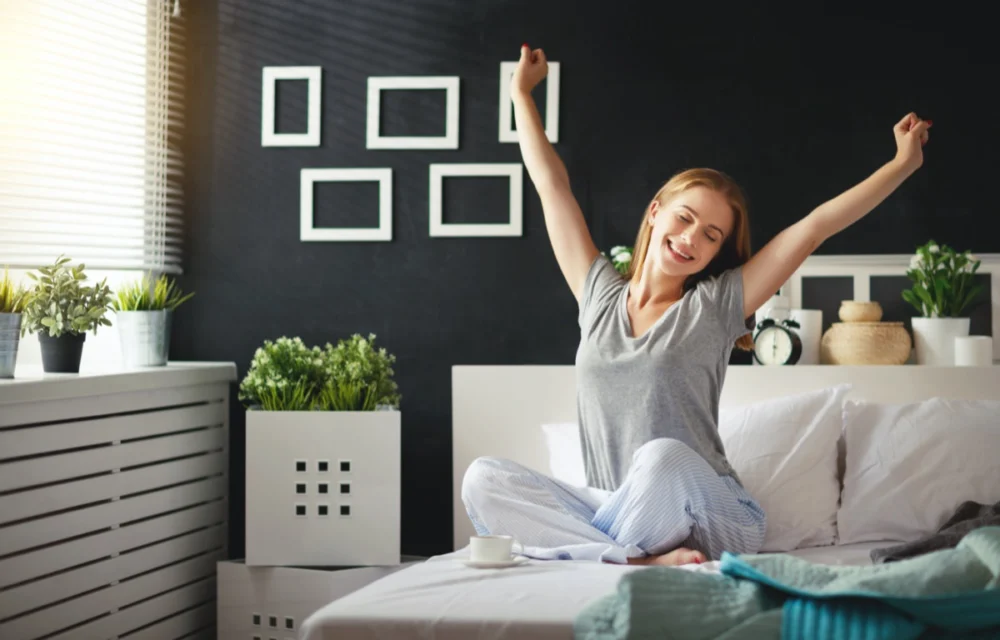
The onset of a new day often brings with it a familiar companion for many individuals, particularly those navigating the journey of later adulthood: muscle stiffness. This sensation, ranging from a mild ache to significant discomfort, can impede the seamless transition from sleep to activity, impacting overall well-being and daily function. As the human body ages, a series of physiological transformations occur within the musculoskeletal system that contribute to this phenomenon. Connective tissues, such as tendons and ligaments, naturally lose some of their inherent elasticity, while muscle mass can gradually diminish, a process known as sarcopenia. Furthermore, the synovial fluid that lubricates joints may decrease in volume and viscosity, leading to a greater sense of rigidity and restricted movement. Compounding these natural changes, prolonged periods of inactivity, such as those experienced during sleep, can exacerbate muscle shortening and contribute to a feeling of being "locked up" upon waking. Addressing this morning stiffness is not merely about comfort; it is a proactive step towards maintaining independence, preventing injuries, and fostering a higher quality of life. Integrating a routine of gentle, accessible movements into the daily schedule can significantly mitigate these challenges, preparing the body for the day ahead with greater ease and vitality.
The benefits of incorporating a regular stretching regimen into one’s lifestyle extend far beyond simply alleviating immediate stiffness. Physiologically, consistent stretching promotes improved blood circulation throughout the body, ensuring that muscles and other soft tissues receive an optimal supply of oxygen and essential nutrients. This enhanced circulation aids in waste removal, which can contribute to reduced soreness and quicker recovery. Moreover, regular flexibility training systematically increases the range of motion in joints, allowing for more fluid and uninhibited movement patterns. This is crucial for performing everyday tasks, from reaching for items on a high shelf to bending down to tie shoelaces, without strain or discomfort. Better flexibility also translates to improved posture, as balanced muscle length helps align the spine and shoulders correctly, reducing the likelihood of developing chronic back and neck pain. From a preventative standpoint, supple muscles and joints are less prone to injury, as they can absorb forces more effectively and respond to unexpected movements with greater resilience. Beyond the physical, the act of stretching itself can be a meditative practice, fostering a deeper mind-body connection. The gentle, controlled movements, coupled with focused breathing, can reduce stress levels, calm the nervous system, and cultivate a sense of mental clarity and emotional balance, setting a positive tone for the entire day.
While various methods exist for achieving muscle release and improved flexibility, some techniques, despite their efficacy, may present challenges or contraindications for certain populations. Foam rolling, for instance, has gained considerable popularity as a self-myofascial release (SMR) technique. It involves using a cylindrical foam tool to apply pressure to specific muscle groups, aiming to break up adhesions, improve blood flow, and alleviate trigger points. When performed correctly, foam rolling can be an excellent component of a warm-up routine, particularly before strength training, and is effective for targeting areas such as the glutes, quadriceps, and the iliotibial (IT) band. However, the execution of foam rolling often requires getting into specific, sometimes challenging, body positions to exert the necessary pressure for effective SMR. For individuals with limitations in strength, balance, or overall flexibility, these positions can be difficult, if not impossible, to achieve safely and effectively. Furthermore, foam rolling is contraindicated for certain medical conditions. People diagnosed with osteoporosis, a condition characterized by brittle bones, must avoid foam rolling due to the risk of fractures. Similarly, individuals with recent bone fractures, severe neuropathy (nerve damage), or certain circulatory conditions should exercise extreme caution or avoid it entirely, as it could exacerbate existing issues or cause further harm.
This is where the concept of stretching in bed emerges as a highly advantageous and accessible alternative, particularly for older adults or those with mobility challenges. Performing stretches directly after waking, while still in bed, offers several distinct benefits. Firstly, the body’s core temperature tends to be slightly elevated after a night’s sleep, meaning muscles are already warmer and more receptive to stretching, potentially reducing the risk of strain. Secondly, the soft, supportive surface of a bed provides a cushioned environment, making movements gentler on joints and offering a sense of security that might be absent when performing exercises on a harder floor. This low-impact approach minimizes stress on the body, making it an ideal choice for individuals with joint pain, arthritis, or reduced balance. As a certified personal trainer, I frequently recommend these types of morning stretches to clients as an effective method to release accumulated muscle tension before they even stand up, facilitating a smoother transition into their daily activities. The convenience of not needing specialized equipment or even leaving the bedroom makes it an incredibly practical and sustainable habit.
Before embarking on any new exercise regimen, especially if you have pre-existing injuries, chronic illnesses, or concerns about your physical capabilities, it is imperative to consult with a medical professional. This ensures that the chosen exercises are appropriate for your specific health status and can be performed safely. Once cleared, establishing a consistent routine is key to realizing the full benefits of stretching. For each of the following exercises, the objective is to hold or perform the stretch for a duration between 30 to 60 seconds, as this timeframe is widely recognized for its effectiveness in promoting flexibility improvements. If you are new to stretching or have significant stiffness, begin with shorter holds, such as 15 seconds. Gradually, you can progress by performing two sets of 15 seconds, then moving to single 30-second holds, followed by two sets of 30 seconds, and ultimately working your way up to 60-second durations. Always prioritize listening attentively to your body’s signals. A stretch should feel like a gentle pull, not a sharp or stabbing pain. If any discomfort beyond a mild stretch sensation arises, immediately cease the movement. Breathing deeply and consistently throughout each stretch will also enhance its effectiveness and promote relaxation.
1. Supine Knee-to-Chest with Hip Flexor Focus
This targeted stretch addresses the psoas muscles, which are deep hip flexors notoriously prone to tightening and shortening, particularly from prolonged sitting. A sedentary lifestyle often contributes significantly to this tightness, impacting posture and potentially leading to lower back discomfort. By gently elongating these muscles, this stretch can alleviate tension and improve overall hip mobility.
- Execution: Lie flat on your back in the center of your bed with both legs extended. Slowly bring one knee towards your chest, grasping it with both hands. Gently pull the knee closer to your torso until you feel a comfortable stretch in your hip and lower back. To emphasize the stretch on the psoas, allow the opposite leg to remain fully extended on the bed, ensuring the back of the knee stays in contact with the mattress. Keep your shoulders relaxed and your core gently engaged to prevent arching your lower back.
- Benefits: Helps release tension in the hip flexors, which can improve posture, reduce lower back pain, and enhance walking efficiency.
- Tips: If reaching your knee is difficult, use a towel or strap around your thigh to assist in pulling it towards your chest. Avoid excessive pulling that causes sharp pain.
2. Gentle Spinal Rotation While Reclined
This exercise is excellent for promoting spinal mobility and releasing tension across the entire back. It also provides a gentle stretch for the oblique muscles along the sides of your torso, contributing to a more flexible and resilient core.
- Execution: Begin by lying on your back in bed with both knees bent and your feet flat on the mattress, hip-width apart. Extend your arms out to the sides at shoulder height, palms facing up. Keeping your shoulders grounded on the bed, slowly allow both knees to fall gently to one side. As your knees drop, turn your head to look in the opposite direction of your knees. Hold this position, focusing on a gentle twist in your spine. Ensure your breath remains deep and steady. After holding, slowly bring your knees and head back to the center, then repeat the movement on the other side.
- Benefits: Enhances flexibility in the thoracic and lumbar spine, helps relieve lower back stiffness, and gently stretches the abdominal obliques.
- Tips: If your knees don’t reach the bed, place a pillow under them for support. Avoid forcing the twist; allow gravity and your breath to deepen the stretch naturally.
3. Reclined Glute and Inner Thigh Opener
Often referred to as the "Supine Figure Four," this stretch is highly effective for targeting tightness in the deep hip rotators, particularly the piriformis muscle, and the inner thighs. These muscles can become tight from prolonged sitting or various physical activities, leading to discomfort in the hips, glutes, and even radiating down the leg.
- Execution: Lie on your back in bed with both knees bent and feet flat on the mattress. Lift one foot and place its ankle on the thigh of the opposite leg, just above the knee, creating a "figure four" shape with your legs. Gently allow the knee of the crossed leg to fall open to the side. To deepen the stretch, you can either gently press down on the inner thigh of the crossed leg (if comfortable) or, for a more intense stretch, reach through the opening created by your legs and grasp the back of the thigh of your supporting leg. Gently pull the supporting thigh towards your chest, feeling the stretch in the glute and outer hip of the crossed leg. Maintain a relaxed upper body. Hold, then release and switch sides.
- Benefits: Alleviates tightness in the piriformis and other deep hip rotators, which can relieve sciatic nerve discomfort for some individuals, and opens the hip joint.
- Tips: If pulling the thigh is too difficult, simply crossing the leg and allowing gravity to open the hip is a good starting point. Ensure your lower back remains relatively flat on the bed.
4. Controlled Hip Circles for Joint Lubrication
This dynamic yet gentle stretch is excellent for promoting lubrication within the hip joint and improving its overall range of motion. Unlike static stretches, the circular motion helps distribute synovial fluid, which is crucial for joint health and smooth movement.
- Execution: Lie on your back in bed with both legs extended. Bend one knee and lift it slightly off the bed, keeping the foot hovering. With control and fluidity, begin to draw small, smooth circles in the air with your bent knee. Focus on moving from the hip joint itself, keeping the rest of your body relatively still. Perform circles in one direction for a set duration, then reverse the direction. The size of the circles should be comfortable and pain-free. After completing both directions, extend that leg and repeat the process with the other leg.
- Benefits: Improves dynamic hip mobility, enhances joint lubrication, and can relieve mild stiffness in the hip and lower back.
- Tips: Start with very small circles and gradually increase the size as your hip warms up and becomes more comfortable. Concentrate on smooth, controlled movements rather than large, jerky ones.
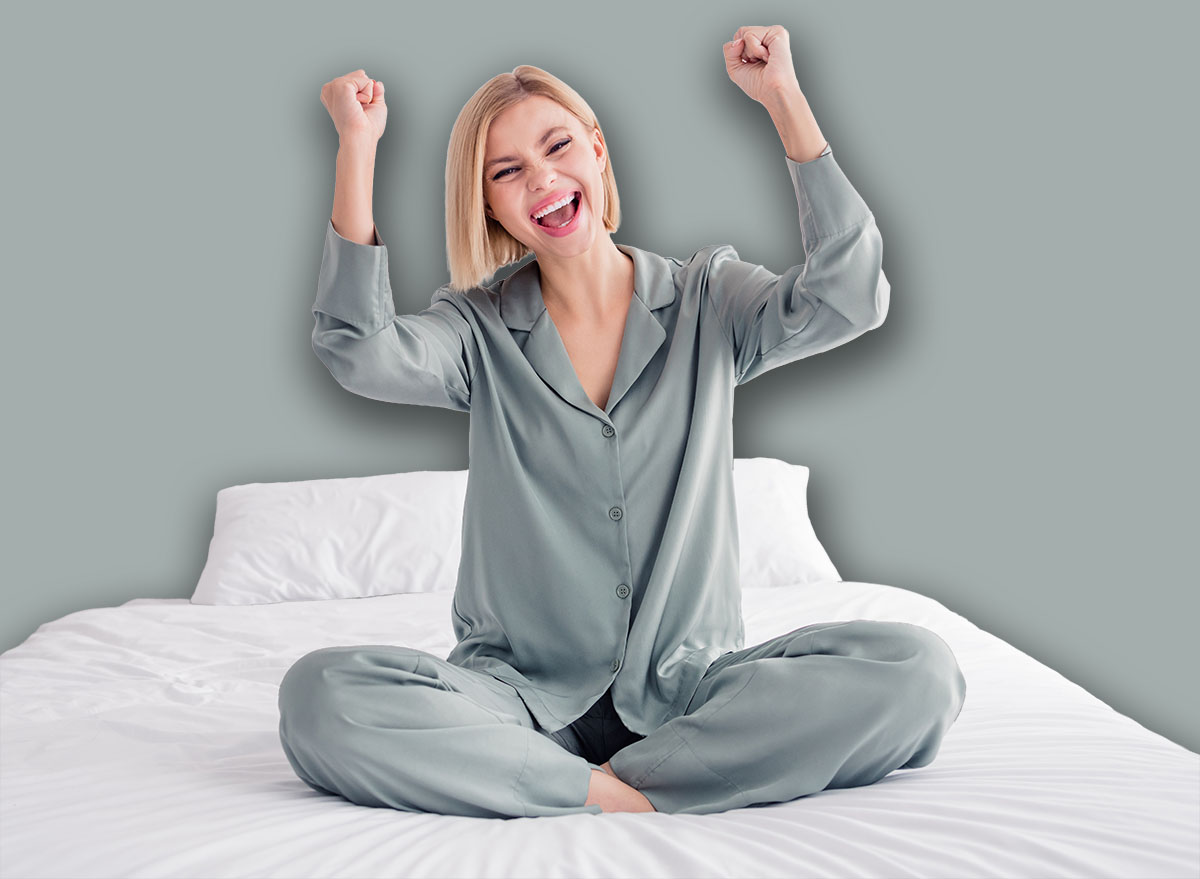
Integrating these simple, yet profoundly effective, bed stretches into your daily morning routine can serve as a cornerstone for maintaining and even enhancing your flexibility as you age. The consistent practice of these movements not only contributes to immediate relief from morning stiffness but also fosters long-term improvements in joint health, muscle suppleness, and overall physical autonomy. By prioritizing these accessible self-care practices, individuals can empower themselves to greet each day with greater comfort, mobility, and a heightened sense of well-being, paving the way for a more active and fulfilling life.
About the Author