Accelerated Biological Clock: A Short-Lived Vertebrate Model Unveils Novel Mechanisms of Renal Aging and Therapeutic Efficacy.
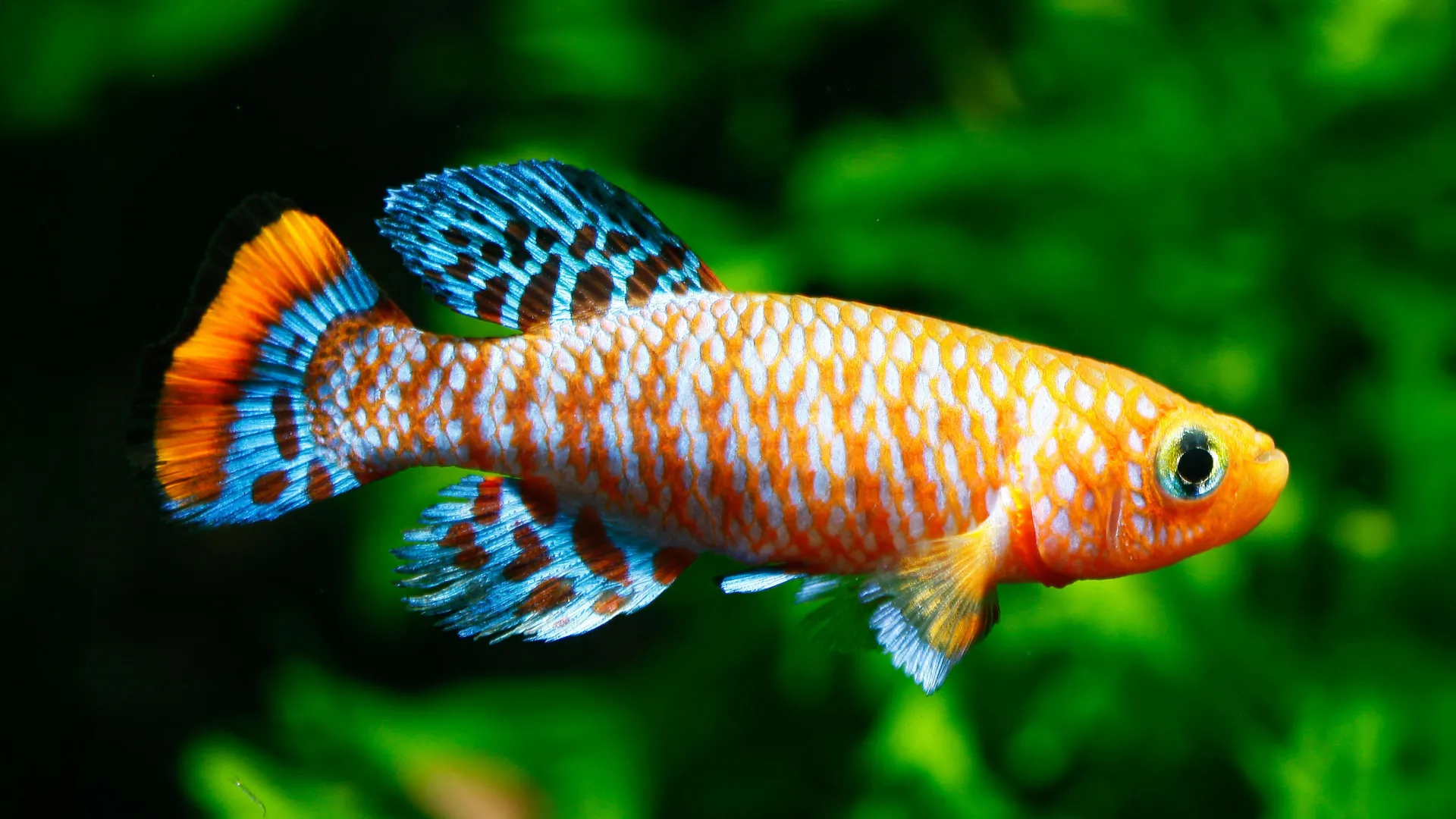
The relentless march of time invariably impacts human physiology, and among the vital organs most susceptible to age-related decline are the kidneys. As populations worldwide continue to age, the incidence of chronic kidney disease (CKD) and other renal pathologies escalates, posing a significant global health challenge. Understanding the fundamental biological processes that drive kidney aging and identifying effective interventions to preserve renal function into later life is therefore a paramount scientific endeavor. A groundbreaking study, recently published in the esteemed journal Kidney International, has shed unprecedented light on these complex mechanisms, leveraging an extraordinary biological model: the African turquoise killifish. This research not only elucidates how a class of widely prescribed medications, known as SGLT2 inhibitors, safeguard kidney health but also establishes a remarkably efficient platform for accelerating gerontological investigations.
For decades, scientists have grappled with the inherent difficulties of studying the aging process in long-lived organisms. Traditional animal models, such as mice, while invaluable, still present a considerable time commitment, often requiring years to observe the full spectrum of age-related changes. This extended timeline complicates the rapid testing and validation of potential anti-aging therapies. The African turquoise killifish (Nothobranchius furzeri) offers a revolutionary paradigm shift in this field. Hailing from the ephemeral pools of Mozambique and Zimbabwe, this small freshwater fish has evolved an exceptionally compressed life cycle, completing its entire existence—from hatching to senescence—within a mere four to six months. This rapid maturation and aging trajectory allows researchers to observe the entire progression of organ aging, including the kidneys, in a timeframe previously unimaginable for a vertebrate.
The international consortium of scientists, comprising experts from MDI Biological Laboratory, Hannover Medical School, and Colby College, meticulously demonstrated that the aging process in the killifish kidneys strikingly recapitulates many of the hallmark changes observed in elderly human kidneys. As the fish progressed through their abbreviated lifespans, their renal systems exhibited a cascade of deteriorating conditions. These included a discernible reduction in the density of crucial micro-vessels, known as vascular rarefaction; structural damage to the intricate filtration barrier (the glomerulus) responsible for waste removal; a measurable increase in inflammatory markers; and significant disruptions in cellular energy production pathways within kidney cells. These pathological features—capillary loss, glomerular sclerosis, chronic inflammation, and metabolic dysfunction—are all well-established indicators of both physiological kidney aging and the progression of chronic kidney disease in humans. The profound similarity in these age-related pathologies underscores the killifish’s immense potential as a translational model for human renal health.
Having validated the African turquoise killifish as a robust and relevant model for studying age-related renal decline, the research team then pivoted their focus to investigating the therapeutic potential of sodium-glucose cotransporter-2 (SGLT2) inhibitors. These pharmaceutical agents represent a relatively new class of drugs that have revolutionized the management of type 2 diabetes. Their primary mechanism of action involves blocking the reabsorption of glucose in the renal tubules, leading to increased glucose excretion in the urine and, consequently, lower blood sugar levels. However, clinical trials over the past decade have revealed a remarkable and initially unexpected benefit of SGLT2 inhibitors: they significantly reduce the risk of major adverse cardiovascular events and slow the progression of chronic kidney disease, often irrespective of the patient’s diabetic status. This cardiorenal protective effect extends far beyond what can be explained solely by their glucose-lowering capabilities, prompting intense scientific inquiry into their broader biological mechanisms.
Dr. Hermann Haller, the senior author of the study and President of MDI Biological Laboratory, articulated this enigma, stating, "These drugs are already known to protect the heart and kidneys in patients with and without diabetes. What has been less clear is how they do so." The study in the African turquoise killifish provides crucial mechanistic insights into this clinical observation. Fish that received SGLT2 inhibitors throughout their lives maintained significantly healthier kidneys as they aged compared to their untreated counterparts. Specifically, their renal tissues exhibited a more robust and denser network of capillaries, suggesting a preservation of vital blood supply. The delicate filtration barrier remained stronger and more intact, indicative of sustained renal function. Furthermore, the treated fish demonstrated more stable and efficient cellular energy production, a critical factor for maintaining organ health and resilience.
Beyond these macroscopic and structural improvements, the SGLT2 inhibitor treatment also exerted profound effects at the molecular and cellular levels. The drugs were found to help preserve crucial communication pathways between different types of kidney cells, fostering a more coordinated and functional tissue environment. Perhaps most notably, the treatment significantly mitigated age-related inflammatory activity, as evidenced by gene expression analysis. Chronic low-grade inflammation, often referred to as "inflammaging," is a pervasive driver of age-related organ dysfunction and disease. By dampening these inflammatory signals, SGLT2 inhibitors appear to disrupt a key pathway of renal senescence.
"Together, these upstream effects provide a biological explanation for clinical observations that the benefits of SGLT2 inhibitors often exceed what would be expected from glucose control alone," Dr. Haller further explained. "They help explain why these drugs consistently reduce kidney and cardiovascular events across diverse patient populations." The study’s findings thus bridge a critical gap between observed clinical efficacy and underlying biological mechanisms, offering a more complete understanding of how these drugs exert their widespread protective effects.
One of the most striking observations in untreated, aging killifish kidneys was the progressive loss of capillaries—a process termed vascular rarefaction. As these tiny blood vessels withered and disappeared, kidney cells exhibited a metabolic shift, moving away from the highly efficient, mitochondria-dependent aerobic respiration towards less efficient, backup energy production systems. This metabolic compromise likely contributes significantly to cellular dysfunction and overall organ decline. In stark contrast, killifish treated with SGLT2 inhibitors retained healthier capillary networks, reflecting a preserved microvasculature essential for nutrient and oxygen delivery. Moreover, their kidneys displayed gene activity profiles that closely resembled those of younger animals, indicative of "youthful transcriptional profiles." These molecular signatures were strongly correlated with improved energy metabolism and significantly reduced levels of inflammation, highlighting a comprehensive restorative effect on cellular health.
Dr. Anastasia Paulmann, the study’s first author who conducted this pioneering work as a postdoctoral researcher at MDI Bio Lab while also holding a clinical position at Hannover Medical School, emphasized the power of this model. She was instrumental in establishing and maintaining the killifish colony at the Lab’s Kathryn W. Davis Center for Regenerative Biology and Aging. According to Dr. Paulmann, the rapid-aging killifish model offers an unparalleled opportunity to accelerate aging research while maintaining direct relevance to human health. "Seeing these effects emerge so clearly in a rapid-aging model like our killifish was striking," Paulmann commented. "What impressed me most was how a seemingly simple drug influences so many interconnected systems within the kidney — from blood vessels and energy metabolism to inflammation and overall function."
By compressing what would represent decades of human kidney aging into a mere few months, this innovative model provides a practical and expedient platform for evaluating existing and experimental treatments designed to enhance organ resilience over time. This accelerated approach significantly streamlines the identification of the most promising therapeutic candidates, allowing researchers to prioritize interventions that demonstrate clear benefits before proceeding to more costly and time-consuming human clinical trials.
The research team is not resting on its laurels; follow-up studies are already in the pipeline. Future investigations will delve into critical questions such as whether SGLT2 inhibitors possess the capacity to repair kidney tissue after age-related damage has already manifested, rather than solely preventing its onset. Furthermore, they plan to meticulously examine how the timing and duration of treatment influence long-term renal outcomes. This future work will benefit from expanded and modernized laboratory facilities at MDI Bio Lab, a testament to the institution’s broader MDI Bioscience initiative. This ambitious initiative is dedicated to translating fundamental scientific discoveries into actionable strategies aimed at improving human health and extending healthy longevity.
This groundbreaking research was made possible through the generous support of several key organizations, including the National Institutes of Health (P30GM154610, P20GM203423), the Morris Discovery Fund, the Scott R. McKenzie Foundation, and the MDI Biological Laboratory itself. The collaborative, interdisciplinary nature of this study, combining expertise in gerontology, nephrology, and pharmacology, underscores the complex and interconnected challenges of addressing age-related diseases. By providing an unprecedented window into the intricate dance of renal aging and the protective mechanisms of SGLT2 inhibitors, this study marks a significant stride towards developing more effective strategies for maintaining kidney health and improving quality of life as we age.
Related posts:

Related News