A monumental longitudinal inquiry, spanning nearly five decades and originating from the esteemed Karolinska Institutet in Sweden, has meticulously charted the evolving landscape of human physical capability, revealing critical insights into the age at which athletic and functional capacities typically begin their descent and underscoring the profound and persistent benefits of physical engagement throughout the adult lifespan. This extensive research project, a cornerstone of the Swedish Physical Activity and Fitness study (SPAF), has provided an unprecedented window into the nuanced processes of aging and physical decline, moving beyond the limitations of mere snapshots to offer a dynamic, decades-long perspective on how the body’s performance metrics change.
The SPAF study, a remarkable undertaking in epidemiological research, enrolled several hundred individuals, representative of the general population and randomly selected, whose ages ranged from their mid-teens to their early sixties at the commencement of the study. Over an astonishing 47-year period, these participants were periodically assessed, their fitness levels, muscular strength, and endurance meticulously recorded. The findings, which have been disseminated in the prestigious Journal of Cachexia, Sarcopenia and Muscle, represent a significant contribution to our understanding of human physiology and the aging process, offering a level of detail and continuity rarely achieved in studies of this nature.
Historically, much of the scientific understanding regarding age-related physical changes was derived from cross-sectional studies. These studies, by their very design, compare different age cohorts at a single point in time, providing valuable but ultimately limited information. Such methodologies can be susceptible to generational effects, where observed differences may be attributed to cohort-specific lifestyle factors or environmental exposures rather than solely to the aging process itself. The SPAF study, by contrast, circumvents these inherent limitations through its longitudinal design, enabling researchers to track the same individuals as they age, thus isolating the effects of time and maturation with greater precision. This approach has yielded a more accurate and reliable picture of how physical capacities ebb and flow over the course of an entire adult lifetime.
The core revelations of this extensive investigation point to a distinct turning point in physical performance, with the data indicating that a gradual decline in both cardiovascular fitness and muscular strength typically commences around the age of 35. This threshold appears to be relatively consistent across the study cohort, irrespective of an individual’s prior level of physical activity or training history. Following this initial plateau, the trajectory of physical decline tends to become more pronounced, accelerating as individuals advance into later decades of life. This observed pattern offers a quantitative benchmark for understanding the natural progression of aging-related functional changes.
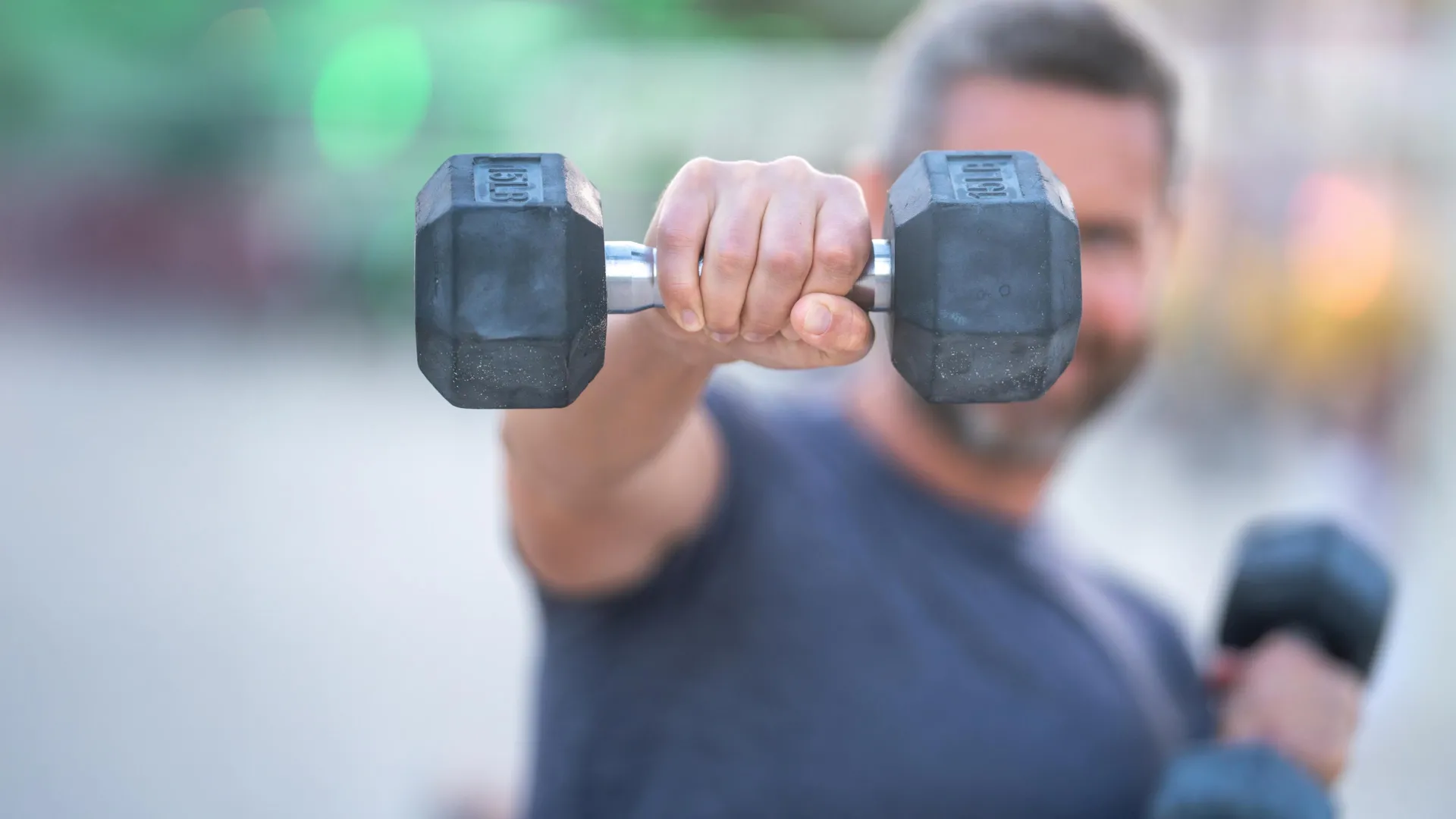
However, the narrative does not end with the onset of decline; a crucial and heartening aspect of the research highlights the enduring efficacy of physical activity. The study’s findings provide robust evidence that embarking on or intensifying an exercise regimen at any stage of adulthood can yield substantial and meaningful improvements in physical capacity. Participants who initiated or increased their engagement in physical activity during their adult years demonstrated a measurable enhancement in their fitness and strength, with improvements ranging from 5 to 10 percent. This suggests that while the aging process may present inherent challenges to physical performance, the body retains a remarkable capacity for adaptation and improvement, even in the face of advancing age.
Dr. Maria Westerståhl, a distinguished lecturer at the Department of Laboratory Medicine and the lead author of the study, articulated the significance of these findings with a message of empowerment. She emphasized that the notion of it being "too late to start moving" is a misconception, firmly refuted by the empirical evidence. The study unequivocally demonstrates that regular physical activity serves as a powerful modulator of the aging process, capable of significantly slowing the rate of physical performance deterioration. While it may not be able to completely arrest or reverse all aspects of age-related decline, its capacity to mitigate the speed and severity of these changes is substantial. Dr. Westerståhl also indicated that future research endeavors will delve deeper into the underlying physiological and biological mechanisms that contribute to this peak performance age around 35 and explore the precise pathways through which physical activity exerts its beneficial, albeit not entirely preventative, effects on performance degradation.
The SPAF study is far from concluded, with its ongoing nature promising further revelations. The research team is poised to conduct another round of comprehensive examinations of the participants in the upcoming year, by which time they will have reached the age of 68. This next phase of data collection is anticipated to shed further light on the intricate interplay between evolving physical performance, individual lifestyle choices, the presence of chronic health conditions, and the fundamental biological processes that govern human health and longevity. By continuing to track this cohort, researchers aim to build an even more nuanced understanding of how sustained physical activity and other modifiable factors can influence the quality of life and functional independence in advanced age. This long-term perspective is invaluable for developing evidence-based recommendations for public health initiatives and personalized health strategies aimed at promoting healthy aging and mitigating the impact of age-related functional loss. The commitment to this multi-decade study underscores its profound importance in shaping our understanding of human resilience and the potential for individuals to actively influence their own physical well-being throughout their lives.
About the Author