Pioneering Research Unveils Mitochondrial Repair Strategy for Parkinson’s Disease Treatment
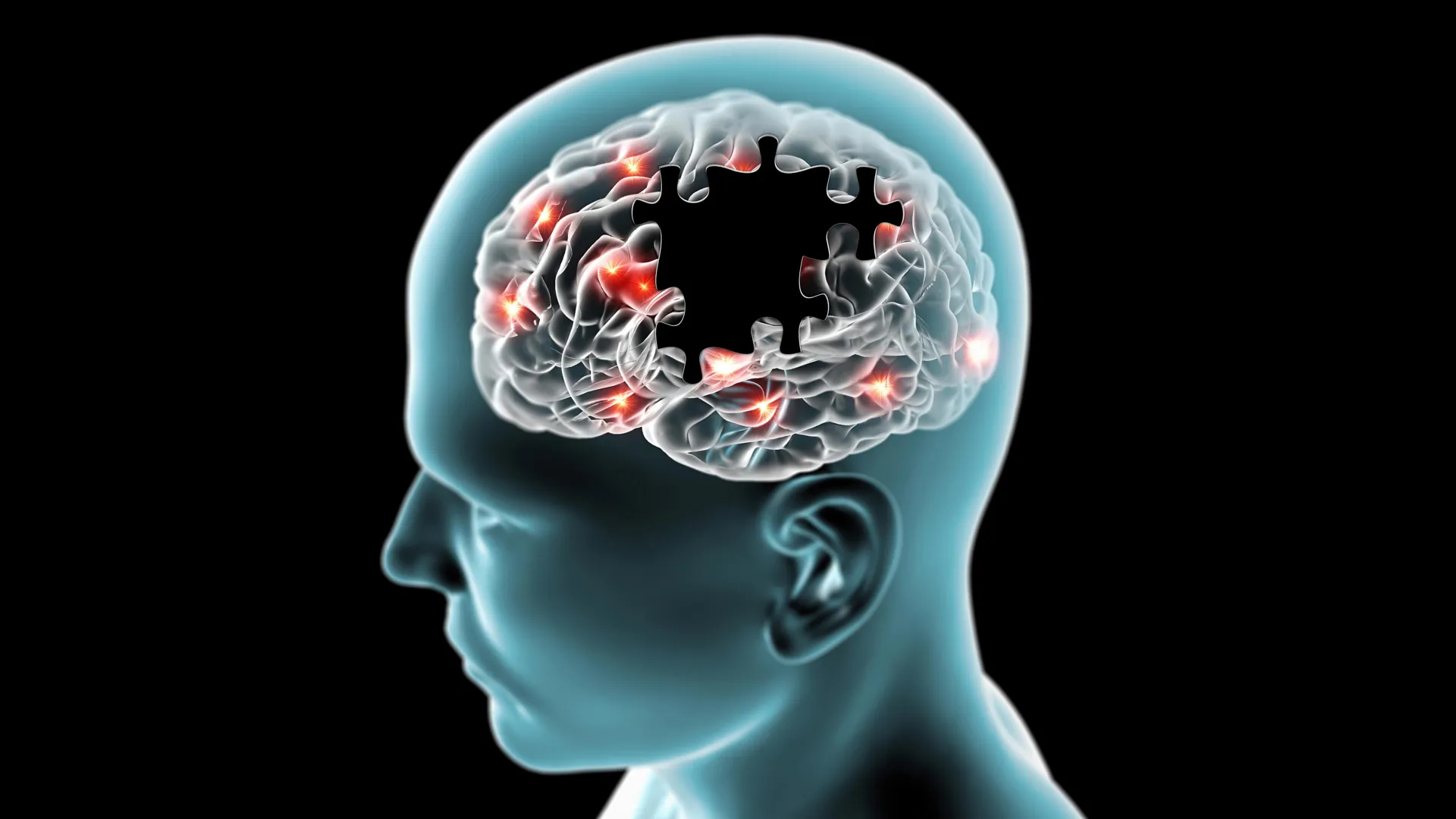
Parkinson’s disease, a relentless and progressive neurodegenerative disorder, profoundly impacts millions globally, robbing individuals of their motor control and cognitive faculties over time. In the United States alone, the Parkinson’s Foundation estimates approximately one million individuals contend with this condition, with nearly 90,000 new diagnoses occurring annually, underscoring the urgent need for more effective therapeutic interventions. Characterized by the gradual demise of dopamine-producing neurons deep within the brain, particularly in the substantia nigra, the disease’s insidious progression leads to a constellation of symptoms including tremors, rigidity, bradykinesia (slowness of movement), and postural instability. While existing pharmacological treatments, predominantly centered on dopamine replacement therapies, offer crucial symptomatic relief, their efficacy often wanes as the disease advances, failing to halt or reverse the underlying neuronal degeneration. This critical gap in treatment strategies has spurred intensive scientific inquiry into the fundamental biological processes driving Parkinson’s, aiming to uncover disease-modifying targets.
Against this backdrop, a significant breakthrough has emerged from Case Western Reserve University, where a dedicated team of researchers has identified a previously unrecognized molecular pathway contributing directly to the cellular damage intrinsic to Parkinson’s pathology. Their work, recently detailed in the journal Molecular Neurodegeneration, illuminates a specific and detrimental interaction between proteins that undermines the very energy infrastructure of brain cells, thereby accelerating neuronal demise. This discovery not only sheds new light on the intricate mechanisms of the disease but also paves the way for a novel therapeutic approach designed to target these root causes rather than merely alleviating their manifestations.
The foundation of this groundbreaking research lies in understanding the crucial role of mitochondria, often colloquially termed the "powerhouses" of the cell. These vital organelles are responsible for generating adenosine triphosphate (ATP), the primary energy currency that fuels virtually all cellular activities, a function particularly critical in energy-demanding neurons. In Parkinson’s disease, evidence increasingly points to mitochondrial dysfunction as a central player in neurodegeneration. When these cellular energy factories falter, neurons become metabolically compromised, making them highly vulnerable to stress and ultimately leading to their programmed death. The Case Western Reserve team, led by Xin Qi, the Jeanette M. and Joseph S. Silber Professor of Brain Sciences at the School of Medicine, meticulously investigated how this mitochondrial impairment originates in the context of Parkinson’s.
After an extensive three-year investigative period, the scientists pinpointed an aberrant interaction involving alpha-synuclein, a protein notorious for its aggregation into toxic clumps (Lewy bodies) within the brains of Parkinson’s patients, and an enzyme called ClpP. Alpha-synuclein, under normal physiological conditions, plays a role in synaptic function, but its misfolding and accumulation are hallmarks of synucleinopathies like Parkinson’s. ClpP, on the other hand, is a mitochondrial protease, an enzyme critical for maintaining the health and quality of mitochondrial proteins by degrading misfolded or damaged ones, thereby contributing to cellular homeostasis. The research team’s pivotal finding revealed that alpha-synuclein, when aggregated, abnormally binds to ClpP. This binding is not merely an incidental association; it directly disrupts ClpP’s essential enzymatic activity within the mitochondria.
The consequence of this alpha-synuclein-ClpP entanglement is profound: the mitochondrial quality control system is compromised. Without a functional ClpP, damaged proteins can accumulate within the mitochondria, leading to their progressive dysfunction. This impairment initiates a cascade of detrimental events, including increased oxidative stress, reduced ATP production, and ultimately, the initiation of neuronal apoptotic pathways. Professor Qi emphasized the significance of this finding, stating, "We have unearthed a destructive interplay between proteins that directly compromises the brain’s cellular energy generators. Crucially, our efforts have extended to devising a targeted strategy capable of interrupting this interaction and thereby restoring healthy neuronal function." The implications of this discovery are far-reaching, as experiments across various research models consistently demonstrated that this specific molecular interaction significantly accelerates the progression of Parkinson’s disease pathology.
Building upon this mechanistic understanding, the research team embarked on developing a therapeutic agent specifically designed to counteract this harmful protein interaction. Their efforts culminated in the creation of a compound designated CS2. This innovative compound functions as a molecular "decoy," strategically engineered to preferentially bind to alpha-synuclein, thereby preventing its detrimental association with ClpP. By sequestering alpha-synuclein away from its target enzyme, CS2 effectively safeguards ClpP’s vital mitochondrial function, allowing the organelles to resume their normal energy-producing and quality-control activities. The rationale behind this approach is to directly address one of the upstream causes of mitochondrial failure in Parkinson’s, rather than merely addressing its downstream consequences.
The efficacy of CS2 was rigorously evaluated across a spectrum of advanced preclinical models, providing compelling evidence of its therapeutic potential. These models included in vitro studies using human brain tissue, patient-derived induced pluripotent stem cell (iPSC) neurons, and in vivo studies utilizing genetically modified mouse models of Parkinson’s disease. Across all these diverse experimental platforms, CS2 demonstrated remarkable capabilities. Treatment with the compound led to a significant reduction in neuroinflammation, a pervasive and destructive process observed in neurodegenerative diseases. More strikingly, the treated models exhibited discernible improvements in both motor coordination and cognitive performance, mirroring the very deficits that characterize Parkinson’s in humans. These positive outcomes underscore the potential of CS2 to mitigate the core pathologies of the disease.
Di Hu, a research scientist within the School of Medicine’s Department of Physiology and Biophysics, articulated the transformative nature of this finding, asserting, "This work introduces a fundamentally novel paradigm for intervening in Parkinson’s disease. Instead of merely managing symptoms, we are now poised to target a fundamental biological mechanism that underpins the disease itself." This distinction is paramount in the realm of neurodegenerative research. Current treatments, while invaluable, essentially act as palliative measures, improving quality of life without altering the inexorable progression of neuronal loss. A disease-modifying therapy, such as the one envisioned with CS2, holds the promise of slowing, halting, or potentially even reversing the pathological cascade, offering a dramatically different future for patients.
The success of this endeavor is a testament to Case Western Reserve University’s robust research ecosystem, particularly its formidable strengths in mitochondrial biology and neurodegenerative disease investigation. The institution’s collaborative environment, coupled with access to cutting-edge experimental models and advanced analytical techniques, proved instrumental in translating intricate basic biological insights into a tangible and promising therapeutic strategy. This synergistic approach, bridging fundamental science with translational research, is critical for addressing complex diseases like Parkinson’s.
Looking ahead, the research team has outlined an ambitious roadmap for the next five years, aiming to accelerate the transition of this discovery towards human clinical trials. Key objectives include further refining the CS2 compound to ensure its optimal pharmaceutical properties for human administration, expanding the scope of safety and effectiveness testing to meet stringent regulatory requirements, and identifying reliable molecular biomarkers. These biomarkers will be crucial for monitoring disease progression and assessing treatment response in future clinical studies. Ultimately, the overarching goal is to develop patient-focused therapies that offer a genuine prospect of transforming Parkinson’s disease.
Professor Qi articulated the profound aspirations driving their ongoing work: "Our hope is that one day, these mitochondria-targeted therapies will empower individuals to reclaim normal function and significantly improve their quality of life, effectively transitioning Parkinson’s from a debilitating, progressive condition into one that is manageable, or even resolvable." This vision encapsulates the immense potential of this research, offering a beacon of hope for millions affected by this challenging neurological disorder and representing a significant stride towards unraveling one of medicine’s most enduring mysteries. The journey from laboratory discovery to clinical application is long and arduous, but the foundational understanding and promising initial results from Case Western Reserve University mark a crucial step forward in the relentless pursuit of a cure for Parkinson’s disease.
Related posts:

Related News