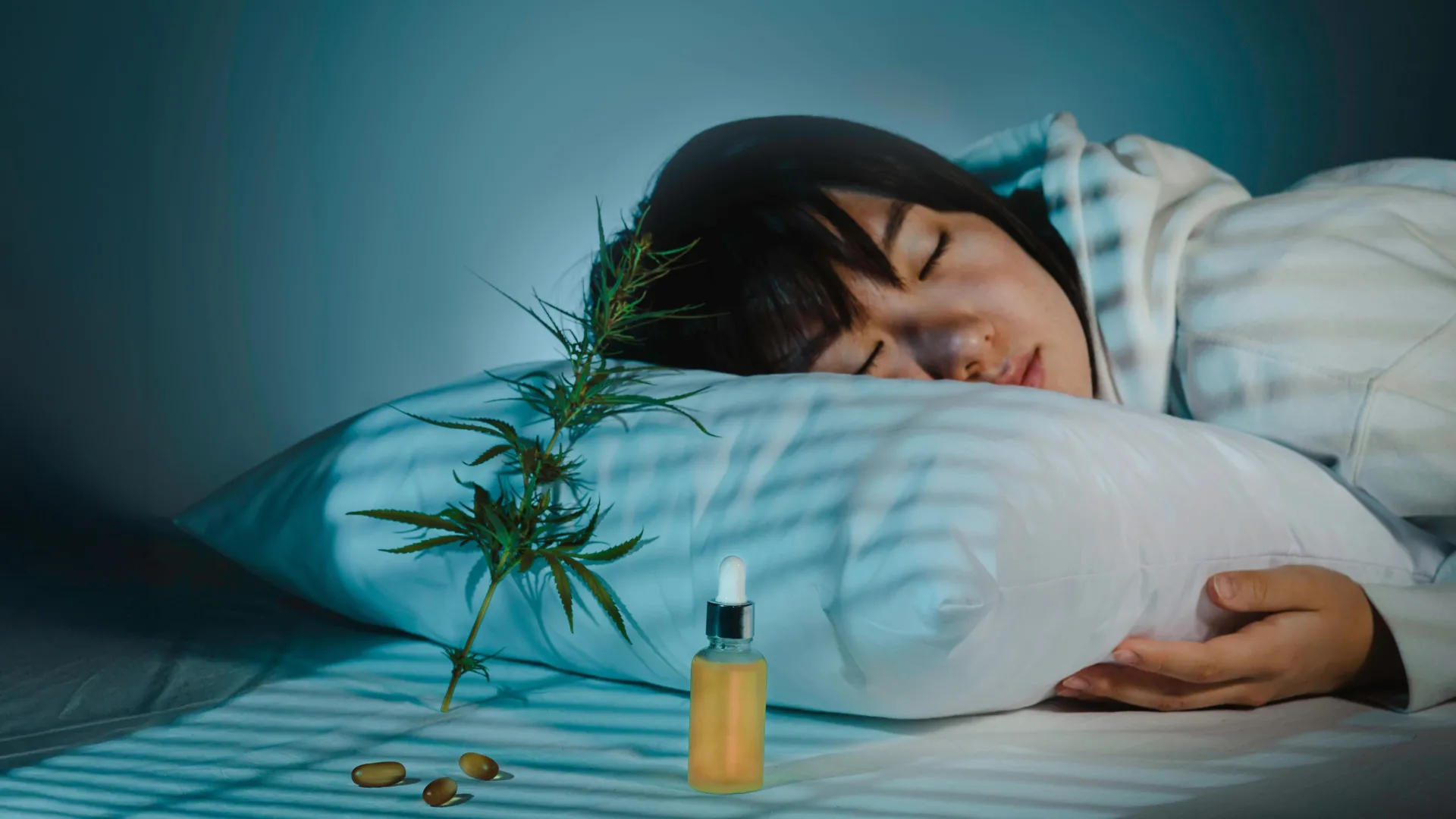
New findings from a comprehensive longitudinal study reveal a concerning trend among young adults in the United States: a significant portion are resorting to substances, particularly cannabis, to address sleep disturbances. The annual Monitoring the Future Panel Study, a long-running initiative funded by the National Institute on Drug Abuse, has illuminated the extent to which individuals between the ages of 19 and 30 are incorporating substances into their sleep routines. The latest data indicates that a substantial 22% of this demographic reported using either cannabis, alcohol, or a combination of both with the explicit intention of facilitating sleep.
Delving deeper into the substance preferences, the research highlights a clear preference for cannabis over alcohol as a sleep aid within this age group. Approximately 18% of young adults surveyed indicated that they have used cannabis to help them fall asleep, a figure considerably higher than the 7% who reported using alcohol for the same purpose. Further analysis of those who had consumed cannabis at any point within the preceding year revealed that a significant 41% cited sleep induction as one of the primary motivations for their use. This suggests that for many young adults, cannabis is not merely a recreational substance but a perceived solution to nocturnal challenges.
However, this emerging pattern is met with considerable apprehension from sleep science and public health experts. Researchers involved in the study express grave concerns that relying on external substances to initiate sleep may, paradoxically, lead to a deterioration of sleep quality and an increased difficulty in maintaining sleep throughout the night. Megan Patrick, a research professor at the Institute for Social Research and the principal investigator overseeing the Monitoring the Future Panel Study, articulated this critical point: "Using these substances to get to sleep can backfire because they can interfere with the ability to stay asleep and with the quality of sleep." She elaborated that preliminary evidence points towards these substances actually disrupting natural sleep architecture in the long term, making the widespread reporting of cannabis use for sleep particularly alarming.
The comprehensive study, which was formally published in the esteemed journal JAMA Pediatrics, gathered responses from a nationally representative sample of 1,473 young adults across the United States. Beyond the overall prevalence, the research unearthed notable disparities in substance use for sleep based on demographic factors such as gender and race, suggesting that the phenomenon is not uniformly distributed.
Specifically, the study observed that women were nearly twice as likely as men to report using cannabis as a sleep aid. Furthermore, participants who identified with genders other than male or female were more than four times as likely as men to indicate using cannabis for sleep. In terms of racial demographics, Black young adults demonstrated a significantly higher propensity, being three times more likely than their white counterparts to report using alcohol specifically as a means to fall asleep. These distinctions underscore the complex interplay of social, cultural, and potentially biological factors influencing substance use patterns for sleep.
The implications of this sustained reliance on substances for sleep extend beyond immediate sleep onset. Experts caution that repeated use of cannabis or alcohol to combat sleeplessness could exacerbate underlying sleep difficulties rather than alleviating them. Patrick explained the potential for a detrimental cycle: "Long-term, regular use of these substances to get to sleep may lead to worse sleep problems and increased risk for substance use disorder." She further elaborated on the physiological mechanisms involved, noting that frequent reliance on a substance to induce sleep can foster the development of tolerance, wherein an individual requires increasingly larger doses to achieve the same sedative effect. Consequently, instead of fostering restorative sleep, this pattern may precipitate additional sleep disturbances and a progressive escalation in substance consumption.
This research represents a crucial contribution to the existing body of knowledge, standing as one of the initial national studies to meticulously investigate the nuances of how and why young adults are employing substances to manage their sleep. The Monitoring the Future Panel Study’s unique methodology, which tracks nationally representative groups of U.S. students over extended periods, provides invaluable longitudinal data on evolving substance use behaviors as individuals transition into adulthood. This long-term perspective is essential for understanding the developmental trajectories of substance use and its associated health consequences.
A significant contributing factor to this trend appears to be a widespread misconception among young adults regarding the actual effects of cannabis and alcohol on sleep. Patrick highlighted this disconnect, stating, "Unfortunately, there is a misconception that substance use can be helpful for sleep problems, but it can make things worse." She emphasized the foundational importance of high-quality sleep for robust mental health and emotional regulation. "Young adults told us that they are using cannabis to try to get to sleep, but doing so may make their sleep problems even worse. They need to know the potential risks," she urged, underscoring the urgent need for accurate public health messaging.
The findings of this study carry significant weight for healthcare providers, particularly those working with young adults. Given the well-documented co-occurrence of sleep disturbances and substance use within this age demographic, clinicians are strongly advised to maintain a heightened awareness of this interconnectedness. The research unequivocally points to the necessity of routine screening for both sleep problems and substance use, coupled with the provision of integrated and coordinated support services when both issues are identified.
"Health care providers should understand how common both sleep problems and substance use are during young adulthood," Patrick reiterated, stressing the imperative for clinical awareness. "And that many young adults are using cannabis specifically to get to sleep. People who are trying to manage sleep problems should talk to their doctors or other providers." This call to action emphasizes the critical role of open communication between patients and healthcare professionals in addressing these complex health challenges.
The research underpinning these insights was meticulously conducted by a team of dedicated scholars at the University of Michigan’s Institute for Social Research. The study’s authorship also includes valuable contributions from Yuk Pang and Yvonne Terry-McElrath, who played integral roles in the data collection, analysis, and dissemination of these critical findings. Their collective efforts have provided a vital glimpse into a growing public health concern, demanding attention and proactive intervention.
About the Author