A significant majority of adults across the United States remain unaware of a recently defined health classification known as Cardiovascular-Kidney-Metabolic (CKM) syndrome, despite its profound prevalence, impacting an estimated 90% of the adult population. This emerging medical framework consolidates several critical and interconnected health challenges, including but not limited to heart disease, chronic kidney ailments, diabetes, and obesity, into a single, overarching condition. Recent findings from a comprehensive survey conducted by the American Heart Association reveal a striking disconnect: while public recognition of CKM syndrome is notably low, a substantial portion of those surveyed express a strong desire to gain a deeper understanding of this complex health issue.
The pervasive nature of CKM syndrome is underscored by the fact that nearly nine out of every ten adults in the U.S. exhibit at least one contributing risk factor. These foundational elements include commonly diagnosed conditions such as hypertension (high blood pressure), dyslipidemia (abnormal cholesterol profiles), hyperglycemia (elevated blood glucose levels), excess body weight, and diminished kidney function. When these individual risk factors coalesce, they exponentially amplify the likelihood of experiencing severe cardiovascular events, including heart attacks, strokes, and heart failure, far beyond the cumulative risk posed by each condition in isolation. Encouragingly, the narrative surrounding CKM syndrome is not solely one of dire prognosis; for a considerable number of individuals, the trajectory of this condition can be positively altered, and in some instances, reversed, through proactive lifestyle modifications encompassing dietary adjustments, increased physical activity, and diligent adherence to prescribed medical treatments.
Eduardo Sanchez, M.D., FAHA, the American Heart Association’s Chief Medical Officer for Prevention, emphasized the critical need for public awareness, stating, "We want people to know that it’s really common to have heart, kidney and metabolic risk factors at the same time. It is reassuring that once the CKM connection was defined nearly three-quarters of those responding understood that it was important and wanted to learn more." This sentiment highlights a crucial paradox: the widespread existence of the syndrome is juxtaposed with a profound lack of public knowledge about its existence and implications.
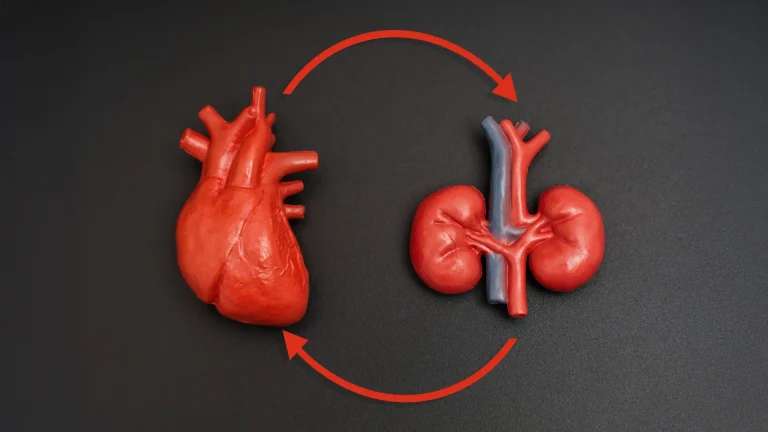
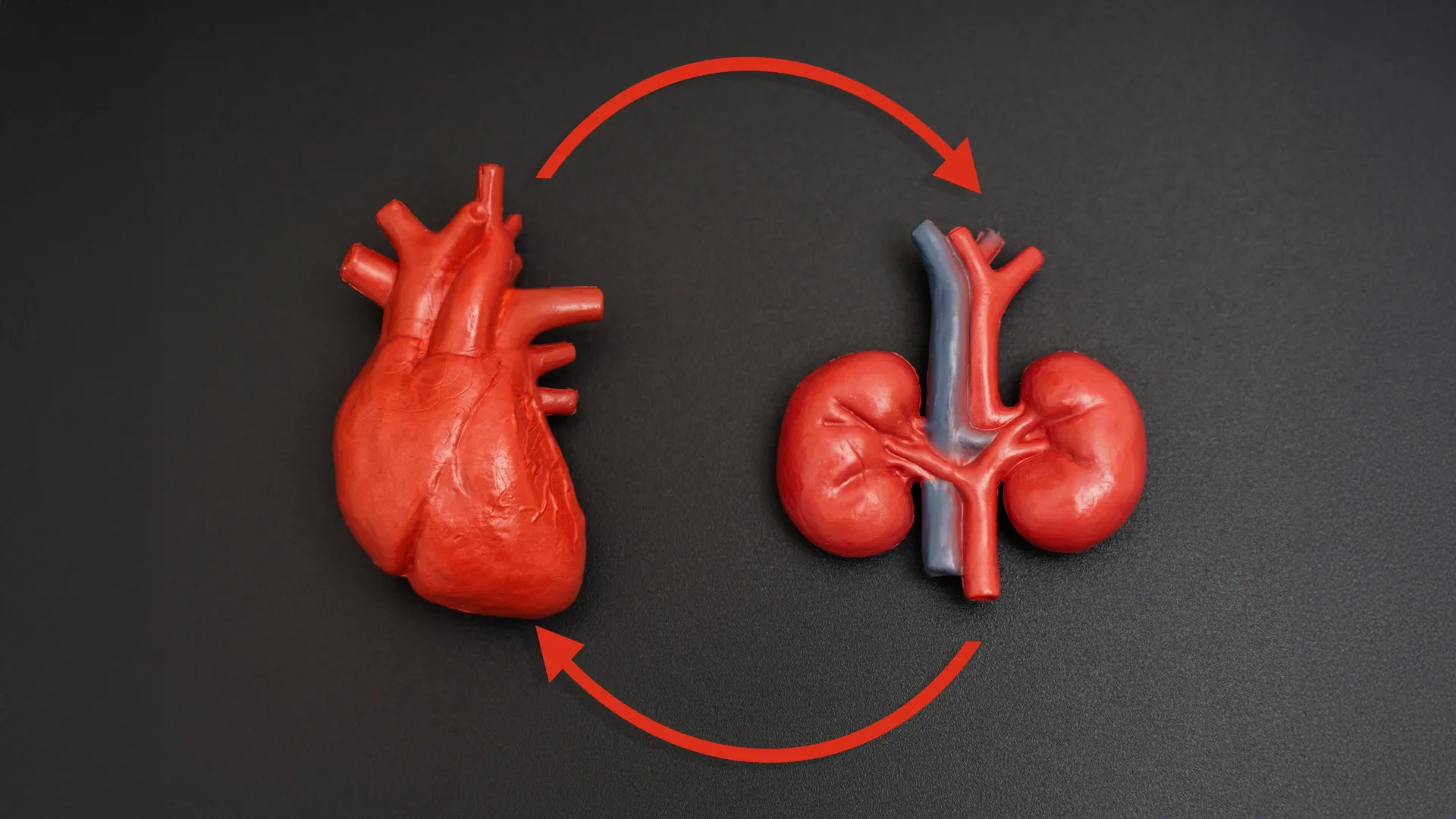
The intricate interplay between the cardiovascular system, the kidneys, and the body’s metabolic processes forms the bedrock of CKM health. The heart, responsible for circulating blood and oxygen, works in tandem with the kidneys, which filter waste and regulate fluid balance. The metabolic system, in turn, governs how the body generates, utilizes, and stores energy, directly influencing factors such as weight management and blood glucose regulation. These three systems are not isolated entities but rather deeply interdependent; a compromise in the function of one invariably places additional stress on the others. Over time, this cascading effect can precipitate a detrimental cycle, significantly escalating the risk of developing CKM syndrome. In recognition of this critical interconnectedness, the American Heart Association is poised to introduce the inaugural clinical guidelines specifically dedicated to CKM syndrome, anticipated for release in early 2026, marking a significant step toward standardized care and understanding.
The survey conducted by The Harris Poll on behalf of the American Heart Association, involving approximately 4,000 U.S. adults in August 2025, illuminated substantial deficits in public comprehension regarding CKM health. The findings underscore a pressing need to educate the public about the interconnected nature of these physiological systems. Dr. Sanchez further elaborated on this point, asserting, "The heart, kidney and metabolic systems are connected and, as such, should be treated in a coordinated way. These results reveal the need to emphasize those connections and help patients understand the importance of collaborative care." This call for a holistic and integrated approach to patient care is central to effectively managing and mitigating the impact of CKM syndrome.
In response to these identified awareness gaps, the American Heart Association has launched its CKM Health Initiative. This comprehensive program aims to equip individuals with accessible educational resources, including an online hub designed to demystify the links between cardiovascular, kidney, and metabolic health. The initiative’s core objective is to empower individuals to take proactive measures in their early stages of health, thereby reducing their susceptibility to serious events like heart attacks, heart failure, and strokes. Concurrently, the Association is actively collaborating with healthcare providers nationwide to foster enhanced cooperation and communication among medical professionals involved in the care of patients managing multiple chronic conditions, ensuring a more unified and effective treatment strategy.
To simplify the understanding of CKM health for a broader audience, the Association has developed an engaging educational video. This resource employs clear visuals and straightforward language to convey essential information, including "2 truths" about heart health, making complex medical concepts more digestible. As Dr. Sanchez eloquently puts it, "CKM health is about your overall health. It’s a full circle. You can take care of your overall health with regular checks of your blood pressure, cholesterol, weight, blood sugar and kidney function." This analogy emphasizes that maintaining CKM health is fundamentally about prioritizing one’s general well-being through consistent monitoring of key physiological indicators.
The survey’s methodology involved an online data collection process conducted by The Harris Poll between August 6th and August 22nd, 2025, surveying 4,007 U.S. adults aged 18 and older. To ensure the representativeness of the findings, the data were statistically weighted to align with national demographic proportions across various factors, including education level, age, gender, race/ethnicity, geographic region, household income, household size, marital status, employment status, and smoking habits. Participants were drawn from individuals who voluntarily agreed to take part in surveys. The precision of the sampling was assessed using a Bayesian credible interval, indicating that the results are accurate within a margin of plus or minus 2.0 percentage points at a 95% confidence level. It is important to note that margins of error can vary across different demographic subgroups, and as with all survey research, potential sources of error, such as nonresponse bias, question phrasing nuances, and post-survey adjustments, are inherent.
The American Heart Association’s Cardiovascular-Kidney-Metabolic Health Initiative benefits from the generous support of its Founding Sponsors, Novo Nordisk® and Boehringer Ingelheim. Further contributions are provided by Supporting Sponsors Novartis Pharmaceuticals Corporation and Bayer, and Champion Sponsor DaVita®. Healthcare professionals seeking to deepen their understanding of interdisciplinary care and explore opportunities to participate in the CKM Health Initiative can access additional resources and information at heart.org/CKMtools.
About the Author