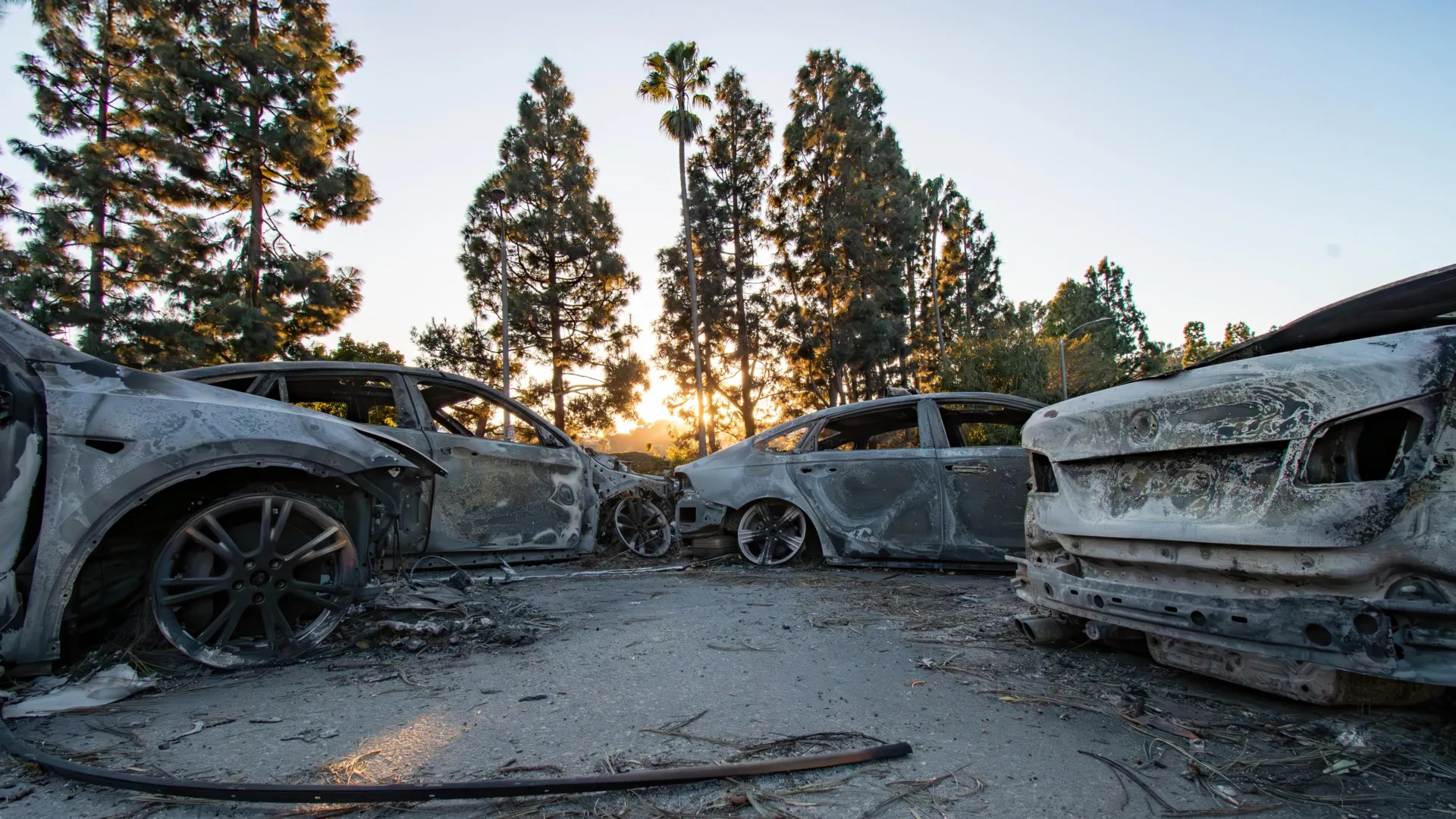
A comprehensive analysis conducted by Cedars-Sinai researchers has illuminated a stark and concerning correlation between the widespread urban wildfires that engulfed parts of Los Angeles in January 2025 and a subsequent escalation in acute medical conditions among the populace. The study, which meticulously tracked emergency department admissions over a critical 90-day period following the conflagrations, revealed a substantial uptick in visits for serious ailments, including cardiac events, respiratory distress, and generalized sickness. This finding underscores the profound and immediate impact that smoke plumes from fires encroaching upon densely populated areas can have on public health, extending well beyond the immediate physical danger of the flames themselves.
The research team, led by Dr. Susan Cheng, Director of Public Health Research at Cedars-Sinai and a senior author of the study published in the esteemed Journal of the American College of Cardiology (JACC), emphasized the unique dangers posed by wildfires that infiltrate urban landscapes. "These fires are particularly hazardous due to their rapid spread and the complex mix of substances they release into the atmosphere," Dr. Cheng explained, highlighting that the Eaton and Pacific Palisades fires, specifically, appear to have exerted a discernible and swift effect on the health of individuals exposed to their aftermath. The sheer volume and proximity of combustible materials in urban settings, ranging from residential structures to vegetation, contribute to the generation of highly toxic and pervasive smoke.
To ascertain the magnitude of this health crisis, investigators employed a rigorous comparative methodology. They examined emergency department utilization at the Cedars-Sinai main campus, strategically situated approximately ten miles from Pacific Palisades and twenty miles from the ignition point of the larger fires in Altadena. The period of focus spanned from January 7 to April 7, 2025, encompassing the three months following the onset of the fires. This contemporary data was then juxtaposed with emergency visit records from the identical calendar intervals across the preceding seven years, from 2018 to 2024. This longitudinal approach allowed for the establishment of a robust baseline, enabling researchers to identify deviations from typical patterns.
Crucially, while the overall volume of emergency department visits during the 2025 post-fire period did not exhibit a statistically significant departure from previous years, this aggregate figure masked a dramatic increase in admissions attributable to specific, serious medical conditions. This observation suggests that the fires did not necessarily drive an unprecedented number of people to seek emergency care overall, but rather, those who did present were more likely to be suffering from conditions directly or indirectly linked to the environmental fallout of the fires.
The statistical revelations are striking: compared to the average rates observed in the seven years prior, emergency department visits for general illness surged by an alarming 118%. Concurrently, instances of heart attacks requiring emergency intervention rose by 46%, and visits prompted by pulmonary complications saw a significant increase of 24%. These figures paint a grim picture of the immediate health consequences of prolonged exposure to wildfire smoke, particularly in an urban environment where vulnerable populations may be disproportionately affected.
Dr. Cheng, who also holds the Erika J. Glazer Chair in Cardiovascular Health and Population Science at the Smidt Heart Institute, elaborated on the physiological mechanisms at play. "The fine particulate matter emitted by wildfires possesses the insidious capability to penetrate the human body, inflicting damage, particularly to the delicate tissues of the heart and lungs," she stated. Beyond the direct toxicological effects of smoke inhalation, the study also acknowledges the potential role of psychological stress. The fear, displacement, and disruption associated with major urban fires can undoubtedly exacerbate existing health conditions and precipitate new ones, contributing to a broader spectrum of health issues that manifest in the post-fire period. This stress can trigger inflammatory responses and impact the autonomic nervous system, both of which are implicated in cardiovascular and respiratory health.
Adding another layer of concern to the findings, the study unearthed a novel and previously undocumented trend: a marked increase in laboratory blood test abnormalities within the 90-day post-fire window of 2025. These aberrant blood results, indicative of general illness, more than doubled when compared to the same timeframes in preceding years. This discovery is particularly significant as it represents a potential biological marker of exposure to environmental stressors, such as airborne toxins, that have not been as clearly associated with wildfire events in prior research. The specific nature of these abnormalities will likely become a focus of future investigation, potentially offering insights into the precise pathways through which wildfire smoke impacts human physiology.
Dr. Joseph Ebinger, associate professor in the Department of Cardiology and the study’s lead author, underscored the importance of these blood test findings. "Abnormal blood test results could be a signal that the body is actively responding to an external threat, such as the presence of toxins in the air," Dr. Ebinger posited. He further emphasized the study’s role as a crucial step in understanding the specific health impacts of the Eaton and Pacific Palisades fires on the residents of Los Angeles, stressing the urgent need for continued research. "Our collective goal is to identify effective strategies for mitigating any residual risks and bolstering protective measures for individuals against the pervasive harms associated with wildfires," he concluded, pointing towards a future where proactive health interventions can be developed based on empirical evidence.
This groundbreaking research is an integral component of the broader LA Fire HEALTH Study, a large-scale, multi-institutional initiative dedicated to a long-term understanding of the health consequences stemming from the devastating wildfires that swept across Los Angeles County in January 2025. The collaborative effort involves a consortium of esteemed institutions, including Cedars-Sinai, the Harvard T.H. Chan School of Public Health, the Keck School of Medicine of the University of Southern California (USC), Stanford University, UCLA, the University of California, Davis (UCD), the University of California, Irvine (UCI), the University of Texas at Austin, and Yale University. These leading academic and research centers have committed to an unprecedented decade-long investigation, aiming to meticulously document and analyze the lingering health effects of these catastrophic events. This sustained commitment is essential for building a comprehensive picture of wildfire impacts, informing public health policy, and developing effective preparedness and response strategies for future environmental challenges. The study’s findings are expected to inform healthcare providers, policymakers, and the public about the multifaceted risks associated with urban wildfires and the critical need for enhanced air quality monitoring and public health advisories during and after such events.
The foundational work of this study was further bolstered by the contributions of several other Cedars-Sinai researchers, including Tzu Yu Huang, MS; Sandy Joung, MSHS, MBA; Juliane Kwong, BS; Wasay Warsi, MS, BS; Nancy Sun, MPS; Jesse Navarrette, MPA; Patrick Botting, DHSc; Zaldy S. Tan, MD, MPH; and Alan C. Kwan, MD. Additionally, Brian L. Claggett, PhD, from Brigham and Women’s Hospital in Boston, provided valuable expertise as an author. The research received partial financial support from the Spiegel Family Fund, the Smidt Heart Foundation, and the Erika J. Glazer Family Foundation, enabling the critical data collection and analysis necessary to produce these vital public health insights.
About the Author