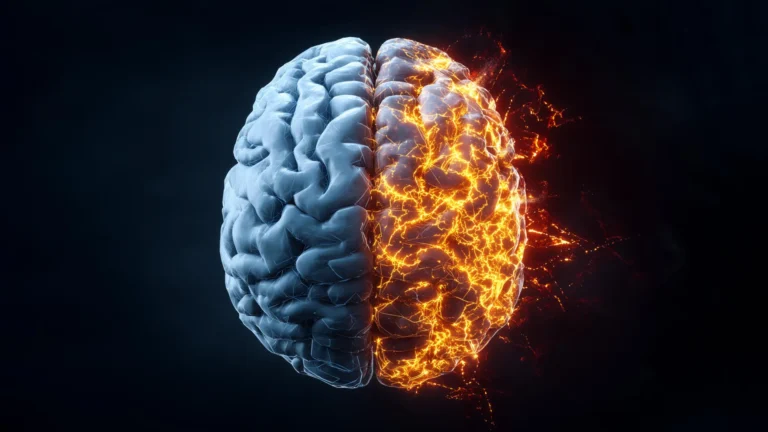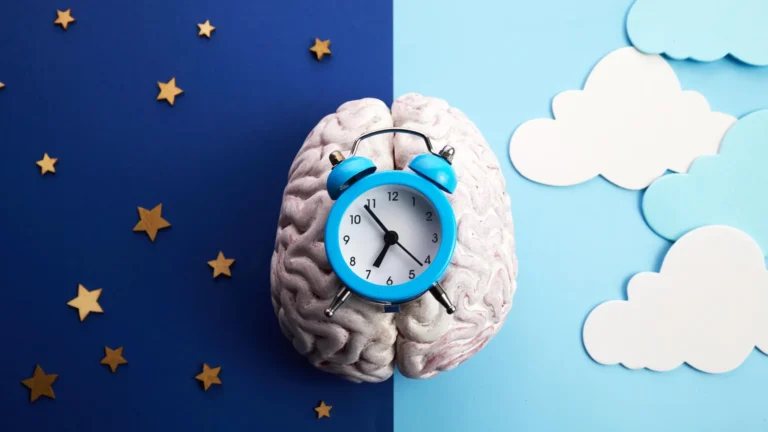
The human brain operates as an exceptionally sensitive monitor of physiological states within the body, a complex sensor reliant on a delicate equilibrium to function optimally. This crucial balance hinges upon the precise timing of neuronal activity, a rhythmic interplay of excitation and inhibition that, when even slightly perturbed, can profoundly alter the brain’s overall operational capacity. When these meticulously orchestrated temporal patterns falter, the brain’s inherent ability to govern bodily functions can be detrimentally impacted across a broad spectrum of physiological and psychological domains.
New research illuminates a significant connection between the presence of cancer and the disruption of fundamental biological rhythms, specifically those governing the body’s stress hormone regulation, leading to heightened anxiety and sleep disturbances. At the heart of this investigation lies the intricate relationship between the body’s internal clock and the development and progression of disease. Scientists have long recognized that disrupted diurnal cycles—the natural fluctuations of hormones and other physiological processes aligned with the day-night cycle—are intrinsically linked to a range of stress-related ailments, including chronic insomnia and pervasive anxiety. These circadian rhythms are meticulously managed by a sophisticated feedback loop known as the hypothalamic-pituitary-adrenal (HPA) axis. This system, comprising the hypothalamus in the brain, the pituitary gland, and the adrenal glands, collaborates to maintain a consistent and healthy schedule for the release of stress hormones.
In a series of groundbreaking studies employing rodent models, researchers observed a compelling phenomenon: breast cancer exerts a significant influence on these normal diurnal rhythms. In laboratory animals, the primary stress hormone analogous to human cortisol is corticosterone. Under conditions of health, the levels of these hormones naturally ebb and flow in predictable patterns throughout the 24-hour period, typically peaking in the morning and gradually declining towards evening. However, the presence of breast tumors was found to flatten this natural fluctuation, resulting in unnaturally stable and unvarying hormone levels. This loss of circadian rhythmicity was directly correlated with a diminished quality of life and an increased mortality rate among the affected mice.
What proved particularly surprising to the scientific team was the remarkable earliness with which these disruptions manifest. Even before tumors became physically palpable or detectable through conventional means, the researchers observed a substantial blunting—approximately 40% to 50%—of the corticosterone rhythm. This alteration in hormonal cycling was detectable within a mere three days of the induction of cancer, a finding that underscores the insidious and rapid nature of the disease’s impact on the body’s regulatory systems. This early disruption suggests that the cancer’s influence on the brain’s stress response system is not merely a consequence of advanced disease but an initiating factor.
Further investigation delved into the specific neural mechanisms underlying this phenomenon. Microscopic examination of the hypothalamus revealed that certain populations of neurons were locked in a state of persistent activity, yet paradoxically, they were emitting weakened signals. This continuous, albeit inefficient, firing disrupted the coordinated communication essential for maintaining hormonal balance. In a pivotal experimental manipulation, researchers artificially stimulated these particular neurons to re-establish a normal day-night pattern of activity. This intervention successfully restored the natural diurnal rhythms of stress hormone release.
The implications of this neural reset were profound and far-reaching. Following the restoration of normal hormonal cycles, a significant increase in the infiltration of anti-cancer immune cells into the breast tumors was observed. Concurrently, the tumors themselves exhibited substantial shrinkage. This observation suggests a direct link between the restoration of circadian rhythms and the enhancement of the body’s innate anti-cancer defenses. The researchers hypothesize that by re-establishing the correct temporal signaling, the immune system’s capacity to identify and eliminate cancerous cells is significantly amplified. Intriguingly, the timing of this neural stimulation proved critical; applying the same stimulation at an inappropriate time of day failed to elicit the same anti-cancer effect, highlighting the absolute necessity of rhythmicity for this beneficial immune response.
The ongoing research endeavors are now focused on elucidating the precise mechanisms by which tumors initiate and perpetuate these disruptions in the body’s natural rhythms. The lead investigator posits that a deeper understanding of these processes could pave the way for novel strategies to augment the efficacy of existing cancer treatments. A particularly exciting aspect of this research is that the observed anti-cancer effects were achieved without the administration of conventional chemotherapy or other anti-cancer drugs. Instead, the focus was on optimizing the patient’s physiological state to bolster their inherent ability to combat the disease. This approach holds the potential to not only enhance the effectiveness of established therapeutic regimens but also to significantly mitigate the often-debilitating toxicities associated with many current cancer therapies, offering a pathway toward more holistic and less invasive cancer management.
About the Author