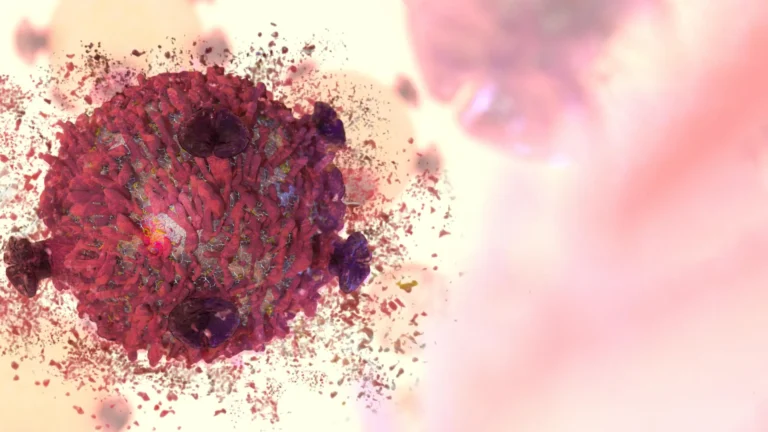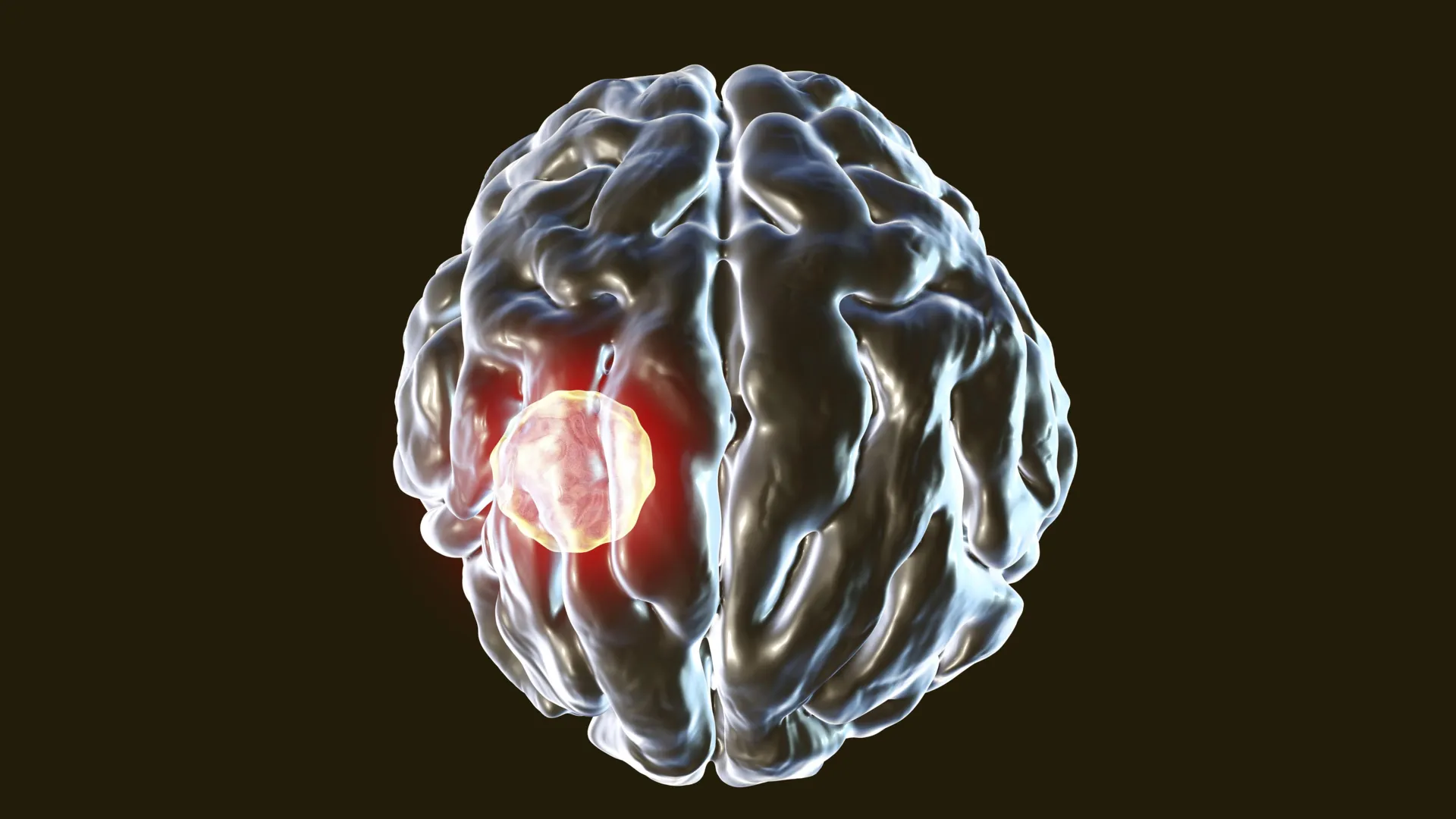
A ubiquitous microscopic organism, present in an estimated one-third of the global population, possesses an extraordinary ability to infiltrate the very defense mechanisms designed to eradicate it, yet the human body harbors a sophisticated internal mechanism to contain this persistent threat. Groundbreaking investigations emanating from UVA Health have illuminated the intricate biological processes by which the host effectively manages an infection by Toxoplasma gondii, a parasite known for its capacity to reside within the central nervous system for extended periods. This research elucidates a critical cellular "self-destruct" protocol that acts as a vital failsafe against parasitic proliferation.
Toxoplasma gondii represents a formidable pathogen capable of infecting a wide spectrum of warm-blooded creatures, with humans frequently encountering it through various pathways. Common routes of exposure include direct contact with feline hosts, consumption of inadequately washed fruits and vegetables, or ingestion of undercooked meat. Once it breaches the body’s defenses, the parasite demonstrates a remarkable migratory capability, disseminating to multiple organ systems before ultimately establishing a latent presence within the brain. While the majority of infected individuals remain asymptomatic, a subset may develop toxoplasmosis, a condition that poses the most significant health risks to those with compromised immune systems.
At the forefront of this crucial investigation were researchers spearheaded by Dr. Tajie Harris, a distinguished figure at the University of Virginia’s Center for Brain Immunology and Glia (BIG Center). Their primary objective was to unravel the complex immunological choreography that unfolds when Toxoplasma targets CD8+ T cells. These specialized lymphocytes are the immune system’s frontline soldiers, tasked with the direct elimination of cells that have been infected by intracellular pathogens.
Dr. Harris elaborated on the significance of their findings, stating, "We have long recognized the pivotal role of T cells in the immunological battle against Toxoplasma gondii, and our previous understanding of their mechanisms of action was largely confined to their direct cytotoxic capabilities or their role in orchestrating the responses of other immune cells to target the parasite. What we have uncovered is a more nuanced and, frankly, surprising interaction: these critical T cells themselves can become infected. In such instances, they possess an inherent capacity to initiate their own programmed cell death. Given that Toxoplasma parasites are obligate intracellular dwellers, the demise of their host cell effectively spells the end of the parasite’s immediate survival within that cell. Understanding the multifaceted strategies employed by the immune system to combat Toxoplasma is paramount for several compelling reasons. Individuals with weakened immune systems are particularly susceptible to severe outcomes from this infection, and our research offers a deeper insight into the underlying mechanisms, potentially paving the way for enhanced therapeutic interventions."
The core of the discovery revolves around a powerful enzyme known as caspase-8. The research team identified this enzyme as a key mediator in the CD8+ T cell’s defense against T. gondii. Caspase-8 is a central regulator of cellular processes, including programmed cell death, also known as apoptosis, which serves as a critical mechanism for removing damaged or infected cells.
To rigorously test the hypothesis, the scientists conducted meticulous experiments using murine models. These studies revealed a stark contrast in parasitic load within the brain. Mice engineered to lack functional caspase-8 specifically within their T cells exhibited significantly higher concentrations of T. gondii compared to their counterparts that possessed the enzyme. This divergence in infection levels persisted even when both groups mounted robust systemic immune responses against the invading parasite, underscoring the specific protective role of caspase-8 within the T cells themselves.
The observable consequences of this genetic difference were profound. Mice with functional caspase-8 in their T cells maintained excellent health throughout the study, demonstrating effective control of the parasite. Conversely, mice lacking this crucial enzyme in their T cells succumbed to severe illness, ultimately perishing from the infection. Histopathological examination of brain tissue from these compromised mice revealed a markedly increased prevalence of CD8+ T cells harboring the parasite, providing direct evidence of their susceptibility and failure to self-eliminate when caspase-8 was absent.
These compelling findings strongly indicate that caspase-8 is indispensable for limiting the replication and spread of T. gondii within CD8+ T cells. Furthermore, the research contributes to a growing body of evidence suggesting that caspase-8 possesses a broader significance in the body’s arsenal for combating a diverse array of infectious threats, acting as a general safeguard against intracellular pathogens.
Dr. Harris further commented on the implications of their work, noting, "We conducted an extensive review of the scientific literature to identify documented instances of pathogens successfully infecting T cells. Such reports were remarkably scarce, which prompted us to question the underlying reasons for this rarity. Our current findings provide a compelling explanation: the presence and activity of caspase-8 effectively induce T cell death, thereby preventing parasitic propagation. It appears that only those pathogens that have evolved sophisticated mechanisms to subvert or neutralize caspase-8 activity are capable of establishing a persistent presence within CD8+ T cells. Prior to this study, the critical importance of caspase-8 in safeguarding the brain from Toxoplasma infection remained largely unrecognized."
The detailed findings of this significant research endeavor have been formally published in the esteemed scientific journal Science Advances. The multidisciplinary research team responsible for this breakthrough included Lydia A. Sibley, Maureen N. Cowan, Abigail G. Kelly, NaaDedee A. Amadi, Isaac W. Babcock, Sydney A. Labuzan, Michael A. Kovacs, Samantha J. Batista, John R. Lukens, and Dr. Tajie Harris. The investigators have formally declared no conflicts of interest that could have influenced the conduct or reporting of this research.
This extensive research project received substantial financial support from a variety of esteemed institutions. Key funding sources included multiple grants from the National Institutes of Health, specifically R01NS112516, R01NS134747, R21NS12855, T32GM008715, T32AI007496, T32AI007046, T32NS115657, F30AI154740, T32AI007496, and T32GM007267. Additional financial backing was provided by a University of Virginia Pinn Scholars Award, a UVA Shannon Fellowship, and UVA’s Strategic Investment Fund, collectively enabling the pursuit of these critical scientific inquiries.
About the Author