The global health community, spearheaded by the World Health Organization (WHO), is intensifying its focus on the often-overlooked psychological toll exacted by neglected tropical diseases (NTDs). While monumental strides have been made in reducing the physical burden of these ancient scourges, millions still grapple with profound discrimination, social exclusion, and untreated mental health conditions. As World NTD Day serves as a crucial reminder, the call resonates for a comprehensive approach that integrates mental wellbeing into elimination strategies, ensuring no individual is left to suffer in isolation or shame. This urgent appeal comes at a critical juncture, as historic gains in NTD control are jeopardized by a significant decline in global financial support.
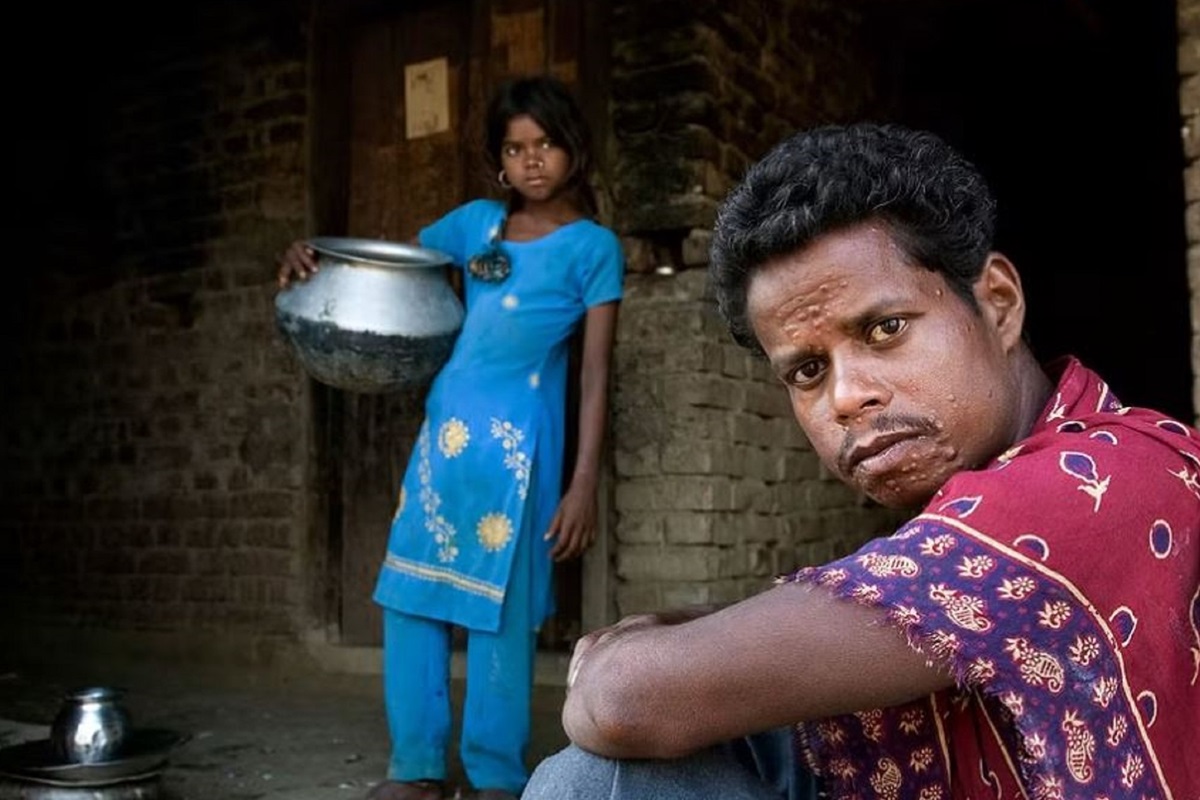
Neglected tropical diseases represent a diverse group of 20 conditions, predominantly afflicting the world’s poorest and most marginalized communities. These diseases, which include debilitating conditions such as leprosy, lymphatic filariasis, cutaneous leishmaniasis, mycetoma, and noma, often lead to visible physical disfigurement, chronic pain, and functional impairments. Beyond the immediate biological impact, these outward manifestations frequently trigger a devastating cascade of social consequences. Misconceptions surrounding contagion, historical prejudices, and a lack of public understanding fuel deep-seated stigma and discrimination, casting affected individuals to the fringes of their societies. This marginalization can manifest in myriad ways: exclusion from educational opportunities, denial of employment, ostracization from community events, and even rejection within families. The cumulative effect of such pervasive social exclusion is a profound and often debilitating impact on mental health.
Studies consistently demonstrate that people living with chronic NTDs experience significantly higher rates of depression, anxiety disorders, and even suicidal ideation when compared to both the general population and individuals managing other chronic non-communicable diseases. The psychological burden is not merely an unfortunate side effect; it is an integral component of the disease experience for millions. The constant fear of judgment, the struggle for acceptance, and the practical challenges posed by physical limitations contribute to a pervasive sense of hopelessness and despair. Despite this evident need, access to mental health support within NTD-affected communities remains woefully inadequate, creating a silent epidemic of psychological suffering that undermines overall wellbeing and hinders the efficacy of physical treatments.
Dr. Tedros Adhanom Ghebreyesus, the Director-General of the WHO, underscored this critical dimension of the challenge, articulating that the battle against NTDs extends far beyond pathogen eradication. He emphasized that true elimination entails liberating individuals not only from the physical manifestations of disease but also from the profound shame, isolation, and despair that so frequently accompany these conditions. This holistic perspective acknowledges the complex interplay between physical health, mental wellbeing, and social determinants.
In a direct response to this urgent global health gap, the WHO recently unveiled a groundbreaking resource: its first global guide titled the "Essential Care Package (ECP) to Address Mental Health and Stigma for Persons with Neglected Tropical Diseases." This landmark publication represents a crucial step forward, providing health service leaders, policymakers, and frontline healthcare workers with a comprehensive framework of evidence-based interventions. The ECP is designed to facilitate the seamless integration of mental health care and stigma reduction strategies into existing NTD prevention, control, and treatment programs. It offers practical guidance on identifying mental health conditions, providing psychosocial support, promoting community inclusion, and equipping health systems to address the multifaceted needs of NTD patients. By offering a standardized approach, the guide aims to empower local health systems to deliver comprehensive care that treats the whole person, not just the disease.
The emphasis on integrating mental health services arrives at a time when the global effort against NTDs can point to substantial achievements. Over the past decade, collaborative initiatives, robust partnerships, and sustained political will have yielded unprecedented progress. The sheer number of people worldwide requiring interventions for NTDs has plummeted to a historic low of 1.4 billion, a testament to the effectiveness of mass drug administration campaigns, vector control measures, improved sanitation, and enhanced surveillance systems. This remarkable decline has been accompanied by significant reductions in morbidity and mortality rates, showcasing the tangible impact of concerted global action.
Illustrating the feasibility and scalability of these efforts, 58 countries have successfully eliminated at least one NTD to date. This impressive track record places the international community firmly on course to achieve the ambitious WHO target of 100 countries eliminating at least one NTD by 2030. Nations spanning diverse geographic and socio-economic landscapes, from Brazil to Jordan and from Niger to Fiji, have demonstrated that with strategic investment and dedicated implementation, the eradication of these diseases is not merely an aspiration but an attainable reality. These successes are not just health victories; they represent significant socio-economic development gains, freeing communities from cycles of poverty, disability, and despair.
However, a shadow looms over these hard-won achievements. The latest "Global Report on Neglected Tropical Diseases 2025" reveals a troubling trend: official development assistance (ODA) specifically allocated for NTDs experienced a precipitous 41% decline between 2018 and 2023. This alarming reduction in funding threatens to unravel years of painstaking progress, jeopardizing ongoing programs, stalling research and development, and potentially leading to the resurgence of diseases that were on the brink of elimination. The economic case for investing in NTD control remains overwhelmingly strong, presenting one of the most cost-effective interventions in global health. For every US$1 invested in preventive chemotherapy, an estimated return of approximately US$25 is generated through increased productivity, reduced healthcare costs, and enhanced societal wellbeing. Without renewed and sustained financial commitment, NTDs will continue to extract a devastating toll on human lives and livelihoods, imposing an estimated annual cost of US$33 billion on affected families and communities in terms of lost wages and catastrophic out-of-pocket medical expenses.
The current World NTD Day campaign, unified under the call to "Unite. Act. Eliminate.", therefore serves as a critical appeal to the international community. It is a clarion call to safeguard the invaluable progress made, to mobilize new and innovative funding mechanisms, to foster leadership at all levels of governance, and to accelerate the development and deployment of new tools and interventions. Crucially, it advocates for the deep integration of health services, particularly mental health care, into all facets of NTD response strategies. The campaign invites stakeholders worldwide to engage with compelling narratives of resilience and country-led triumphs showcased on platforms like the World Neglected Tropical Diseases Day website, hoping to inspire renewed commitment and collective action. Ultimately, overcoming NTDs demands a holistic vision that champions not only physical health but also the mental and social wellbeing of every individual, ensuring that the promise of a life free from disease and discrimination becomes a reality for all.
About the Author