A groundbreaking collaborative effort between scientists at Sweden’s Karolinska Institutet and Japan’s RIKEN Center for Brain Science has illuminated a previously unrecognized mechanism within the brain that governs the clearance of amyloid-beta, a protein implicated in the pathology of Alzheimer’s disease. This pivotal discovery suggests a promising avenue for the development of future therapeutic interventions, potentially offering treatments that are both more accessible and less burdened by adverse effects compared to existing antibody-centric approaches.
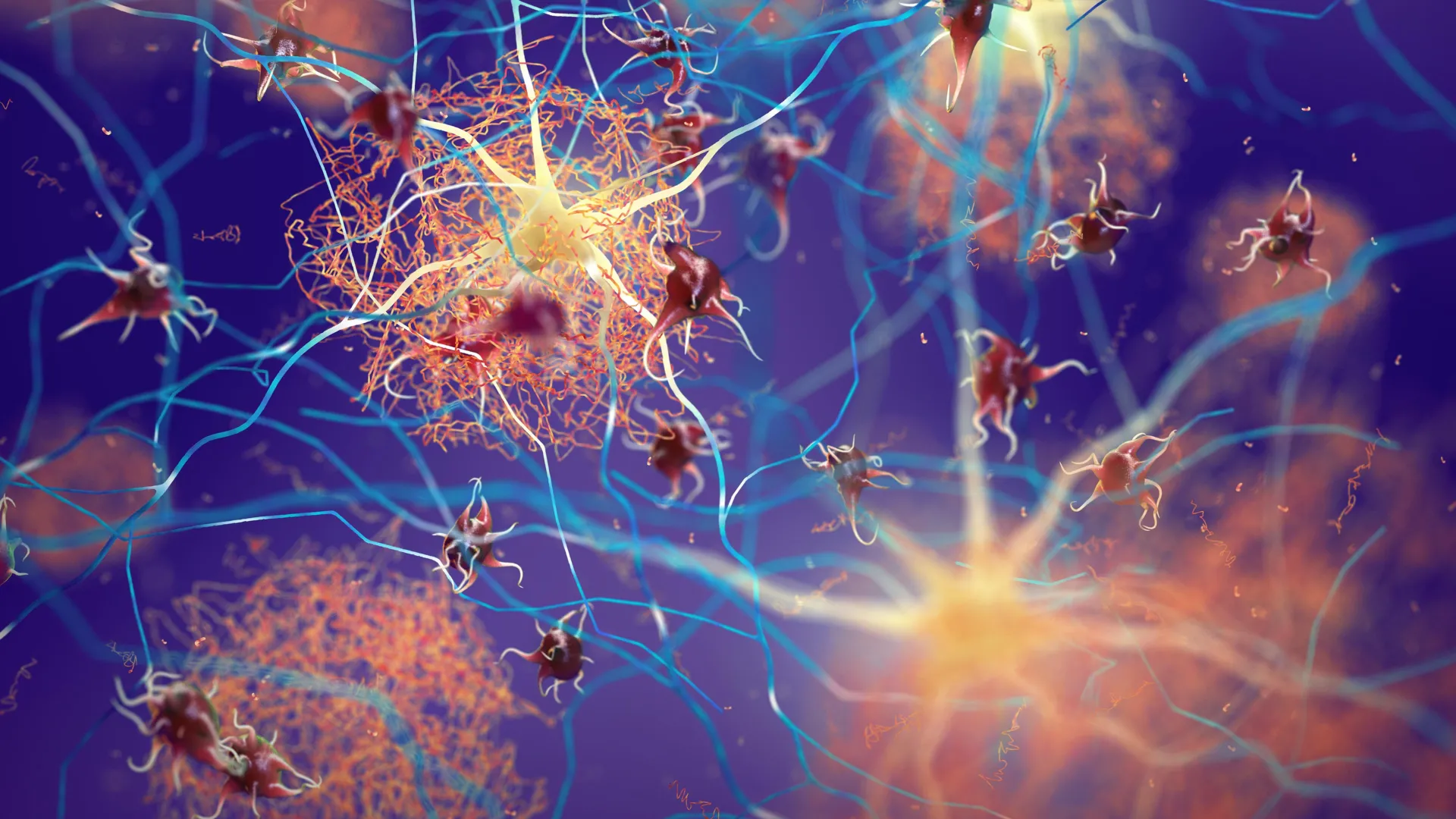
Alzheimer’s disease, a formidable neurodegenerative condition and the preeminent cause of dementia globally, is characterized by the aberrant accumulation of amyloid-beta peptides, which aggregate into toxic plaques within the neural tissue. Under normal physiological conditions, an enzyme known as neprilysin plays a crucial role in the enzymatic degradation and removal of these harmful amyloid-beta deposits. However, evidence indicates that the efficacy of neprilysin diminishes with advancing age and during the progressive stages of Alzheimer’s disease, thereby contributing to the escalating amyloid burden. The research team’s investigations have pinpointed two specific somatostatin receptors, designated SST1 and SST4, as key regulators of neprilysin activity, particularly within the hippocampus, a brain region indispensable for the formation and retrieval of memories. The full findings of this significant research have been formally documented and published in the esteemed Journal of Alzheimer’s Disease.
The study’s methodology involved a series of rigorous experimental protocols, including the utilization of genetically engineered mouse models and in vitro studies employing cultured neuronal cells. Through these experiments, the researchers observed a direct correlation between the presence of both SST1 and SST4 receptors and adequate neprilysin levels. Conversely, when these critical receptors were absent, a marked reduction in neprilysin activity was noted, leading to an observable accumulation of amyloid-beta. This accumulation was further associated with the emergence of cognitive deficits, specifically memory impairments, in the experimental mice.
Further experimentation involved the administration of a specially designed compound intended to activate these identified somatostatin receptors. In a cohort of mice exhibiting neuropathological hallmarks consistent with Alzheimer’s disease, the targeted stimulation of SST1 and SST4 receptors resulted in a notable increase in neprilysin concentrations. This enzymatic upregulation, in turn, led to a significant reduction in amyloid-beta plaque formation and a concomitant improvement in behavioral outcomes, suggesting a restoration of cognitive function. Critically, this therapeutic intervention was administered without eliciting any severe or dose-limiting adverse effects, a crucial observation for potential clinical translation.
"Our findings compellingly demonstrate that the brain’s intrinsic defense mechanisms against amyloid-beta accumulation can be effectively augmented through the targeted activation of these specific receptors," stated Per Nilsson, an Associate Professor at the Department of Neurobiology, Care Sciences and Society, Karolinska Institutet, and a lead author on the study. This statement underscores the potential of harnessing endogenous biological pathways for therapeutic benefit.
The landscape of current Alzheimer’s disease therapeutics is largely dominated by treatments employing monoclonal antibodies. While these advanced therapies have demonstrated the capacity to target and reduce amyloid plaques, they are frequently associated with substantial financial costs and can precipitate significant side effects in a subset of patients, including neuroinflammation and cerebral edema. The inherent limitations of these antibody-based approaches underscore the urgent need for alternative therapeutic strategies.
"Our aspiration is to engineer the development of small molecule compounds capable of efficiently traversing the blood-brain barrier," explained Per Nilsson. "Should we succeed in this endeavor, we anticipate the possibility of treating the disease at a considerably reduced cost and with a substantially improved safety profile, minimizing the occurrence of serious adverse events." The ability of small molecules to penetrate the brain’s protective barrier is a key advantage, potentially allowing for less invasive and more widely applicable treatments.
SST1 and SST4 receptors belong to the extensive superfamily of G protein-coupled receptors (GPCRs), a class of transmembrane proteins that are ubiquitous in cell signaling. GPCRs represent highly attractive targets for pharmaceutical development due to their well-characterized molecular biology and their amenability to modulation by a wide array of drug classes, many of which can be synthesized cost-effectively and administered orally. Their prevalence and established druggability make them ideal candidates for the development of novel therapeutic agents.
This ambitious research project represented a significant international collaboration, bringing together the expertise of researchers from the Karolinska Institutet in Sweden, the RIKEN Center for Brain Science in Japan, and several other distinguished academic institutions worldwide. The project’s progression was generously supported by funding from a consortium of esteemed organizations, including the Swedish Research Council, the Hållsten Research Foundation, the Alzheimer’s Foundation, and the private initiative "Innovative ways to fight Alzheimer’s disease — Leif Lundblad Family," alongside substantial support from RIKEN. The investigators involved have formally declared no conflicts of interest pertinent to this research. The synergistic interplay of international scientific minds and diverse funding sources highlights the global commitment to unraveling the complexities of Alzheimer’s disease.
About the Author