Aggressive chemotherapeutic regimens, while meticulously designed to target rapidly dividing cancer cells, often exert significant collateral damage on other fast-proliferating tissues within the body, notably the delicate epithelial lining of the gastrointestinal tract. Historically, this intestinal injury has been primarily viewed as an unfortunate, localized side effect, contributing to patient discomfort and requiring supportive care. However, groundbreaking new research challenges this narrow perspective, revealing that the ramifications of chemotherapy-induced gut damage extend far beyond the digestive system, orchestrating a profound and beneficial systemic immune response that actively impedes the spread of cancer. This unexpected cascade of events, mediated by shifts in the gut microbiota, suggests a novel and critical axis linking intestinal health, bone marrow activity, and the body’s overall susceptibility to metastatic disease.
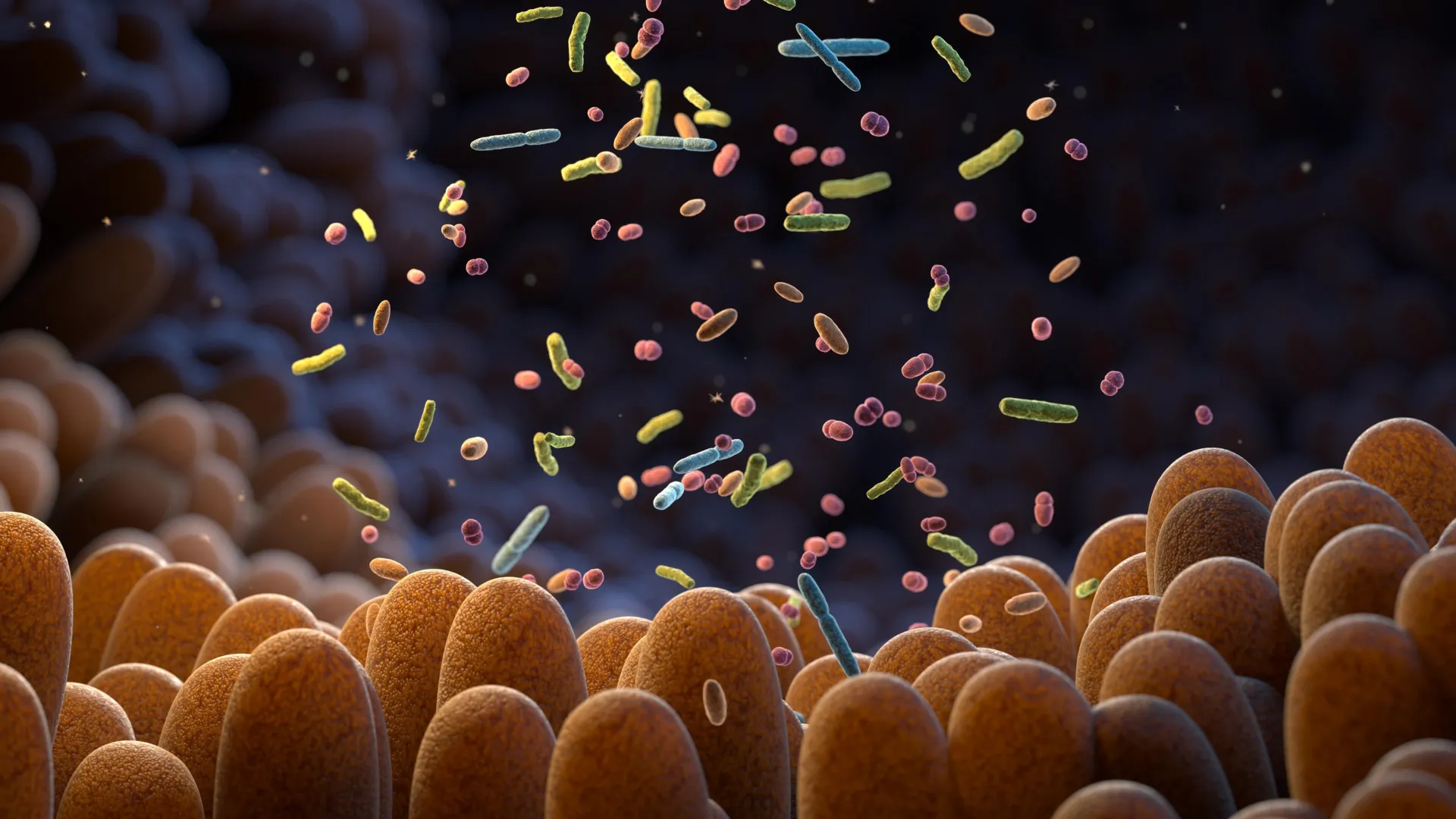
The intestinal lumen represents a complex ecosystem teeming with trillions of microorganisms collectively known as the gut microbiota. This microbial community thrives in a delicate balance, heavily reliant on the consistent availability of nutrients derived from the host’s diet and internal metabolic processes. When chemotherapy inflicts damage upon the intestinal lining, it fundamentally disrupts this equilibrium. The integrity of the gut barrier is compromised, and crucially, the availability and types of nutrients within the digestive tract undergo significant alteration. Faced with this dramatically altered microenvironment, the resident bacterial populations are compelled to adapt. This adaptive pressure instigates a significant shift in the composition and metabolic activities of the microbiota, leading to a modified profile of microbial byproducts. Among these evolving metabolites, researchers have identified a key player: indole-3-propionic acid (IPA), a compound derived from the essential amino acid tryptophan. The study found a notable increase in IPA production following chemotherapy-induced intestinal injury, marking it as a critical component in this newly discovered anti-metastatic pathway.
IPA, however, does not remain confined to the intestinal milieu where it is produced. Instead, this microbial compound acts as a potent signaling molecule, readily absorbed from the gut into the bloodstream. Once in the systemic circulation, IPA embarks on a crucial journey, ultimately reaching the bone marrow – the primary site of hematopoiesis, where all blood cells, including those of the immune system, are generated. Here, IPA exerts a profound influence on myelopoiesis, the specific developmental pathway leading to the formation of myeloid cells. Critically, its elevated presence leads to a significant downregulation in the production of immunosuppressive monocytes. These particular types of monocytes are well-documented for their detrimental role in cancer progression. They typically facilitate tumor evasion of immune surveillance and actively promote the establishment and growth of secondary tumor sites, or metastases, by creating an immunosuppressive microenvironment.
Ludivine Bersier, the lead author of this seminal investigation, expressed considerable surprise at the findings, stating, "We were surprised by how a side effect often seen as collateral damage of chemotherapy can trigger such a structured systemic response. By reshaping the gut microbiota, chemotherapy sets off a cascade of events that rewires immunity and makes the body less permissive to metastasis." This observation underscores a paradigm shift in understanding chemotherapy’s broader biological impact, moving beyond its direct cytotoxic effects on tumor cells to encompass its profound, indirect influence on systemic immunity via the gut.
The reduction in immunosuppressive monocytes triggered by increased IPA levels initiates a beneficial ripple effect throughout the immune system. With fewer of these pro-tumor cells circulating, the balance of immune activity shifts, leading to a notable boost in the activity of T cells – crucial components of adaptive immunity renowned for their ability to directly recognize and eliminate cancer cells. Furthermore, this systemic immune reprogramming fundamentally alters how various immune cells interact within potential metastatic niches, making these sites less hospitable for cancer cells to implant and proliferate. The liver, a frequent target for metastatic spread from various primary cancers, demonstrated a particularly clear response in preclinical models. In these experimental systems, the chemotherapy-induced changes in gut microbiota and subsequent immune modulation created an environment significantly resistant to the development of metastatic growths. This specific observation highlights a potential mechanism for preventing a common and often fatal complication of advanced cancer.
The compelling findings derived from rigorous laboratory studies are not confined to preclinical models; they are further substantiated by robust data collected from human cancer patients. To ascertain the clinical relevance of their discoveries, the research team collaborated closely with Dr. Thibaud Koessler at the Geneva University Hospitals (HUG). This clinical partnership allowed for the analysis of patient data, providing real-world validation for the proposed gut-bone marrow-metastasis axis. Among individuals diagnosed with colorectal cancer, a disease frequently associated with metastatic progression, a distinct pattern emerged: those patients who exhibited higher concentrations of IPA in their bloodstream following chemotherapy treatment also displayed significantly lower levels of circulating monocytes. This specific immune profile – characterized by reduced immunosuppressive monocytes – was found to correlate directly with improved survival outcomes in these patients. This direct link between a microbial metabolite, immune cell counts, and patient prognosis powerfully reinforces the translational significance of the research.
Tatiana Petrova, the corresponding author of the study, emphasized the broader implications of these discoveries. "This work shows that the effects of chemotherapy extend far beyond the tumor itself. By uncovering a functional axis linking the gut, the bone marrow, and metastatic sites, we highlight systemic mechanisms that could be harnessed to durably limit metastatic progression," she noted. This statement points towards a future where therapeutic strategies could actively leverage or enhance these systemic mechanisms to improve long-term patient outcomes, particularly in preventing the recurrence and spread of cancer.
The research received substantial financial and institutional backing from prominent organizations, including the Swiss National Science Foundation and the Swiss Cancer League, underscoring the perceived importance and potential impact of the investigation. A critical element facilitating the interdisciplinary nature of this work was an ISREC Foundation Tandem Grant, which specifically fostered close collaboration between basic science researchers, led by Professor Tatiana Petrova at Unil, and clinical specialists, represented by Dr. Thibaud Koessler at HUG. This synergistic approach allowed for the seamless integration of molecular insights with patient-level observations, bridging the gap between laboratory discovery and clinical application. The research team further postulates that chemotherapy might inadvertently create a form of biological "memory" within the host. This long-term effect, driven by the persistent influence of microbiota-derived metabolites like IPA, could potentially sustain the suppression of metastatic growth over extended periods, offering a durable advantage against cancer recurrence.
In sum, the cumulative findings delineate a previously underappreciated and profoundly significant gut-bone marrow-liver metastasis axis. This intricate biological pathway offers a compelling explanation for how chemotherapy can elicit lasting, body-wide effects that extend beyond its immediate cytotoxic actions. More importantly, it opens exciting new avenues for therapeutic intervention. The insights gleaned from this research suggest innovative strategies to harness or augment microbiota-derived metabolites, potentially transforming them into supportive therapies aimed at durably limiting the insidious spread of cancer and improving the long-term prognosis for patients undergoing chemotherapy. The future of cancer treatment may increasingly involve modulating the microbial world within us to bolster our defenses against the disease.
About the Author