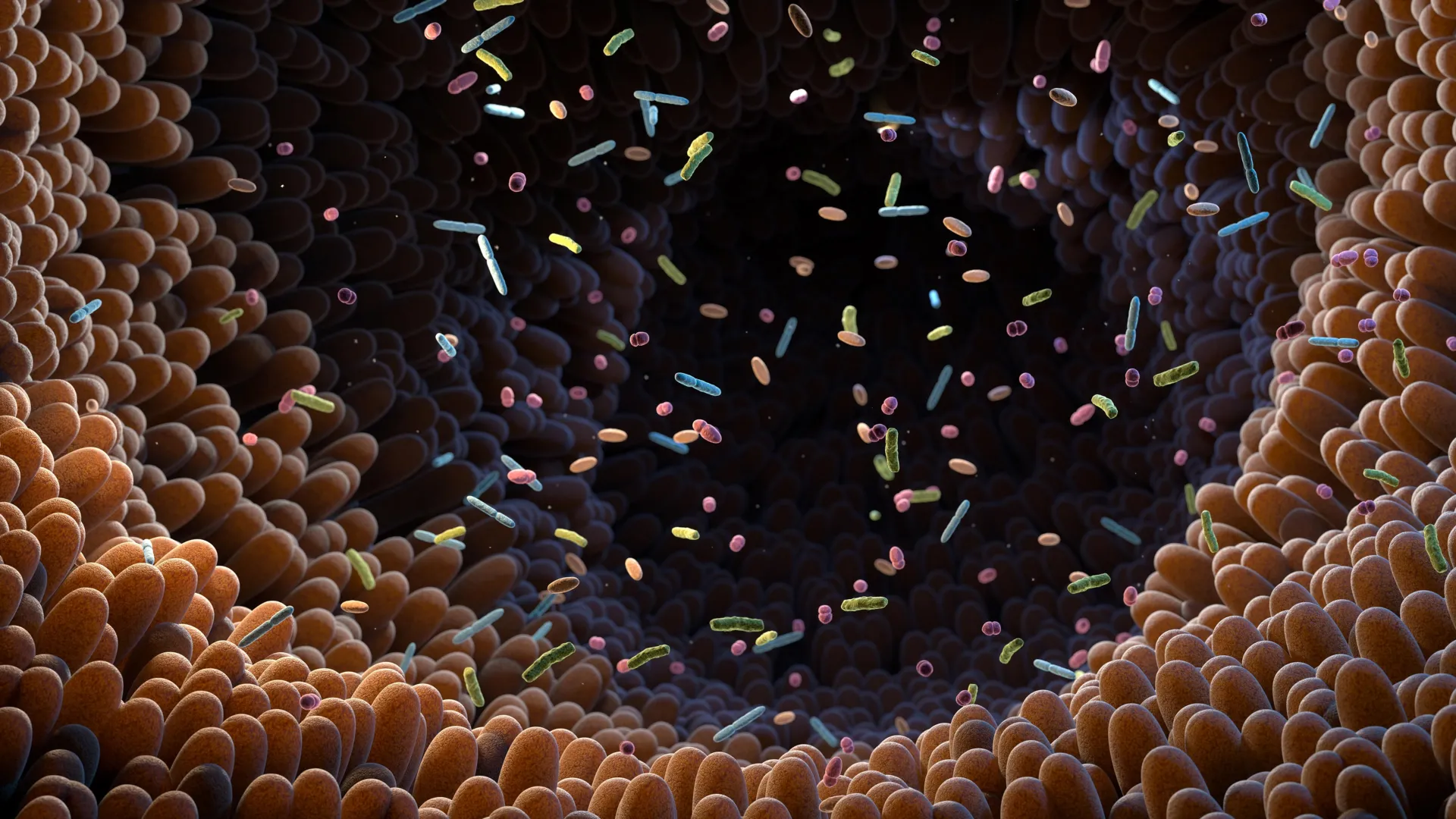
A landmark international investigation, spearheaded by scientists at the University of Cambridge, has brought to light a previously obscure collection of gut microorganisms that demonstrably correlates with robust human health. This microbial collective, designated CAG-170, was observed with significantly greater prevalence in individuals who exhibited no signs of chronic ailments, suggesting a pivotal role in maintaining physiological equilibrium. The study’s comprehensive scope, encompassing over 11,000 participants from 39 nations, employed sophisticated computational methodologies to map the genetic signatures of these elusive bacteria within diverse gastrointestinal environments.
The research underscores a persistent disparity: healthy individuals consistently harbored higher concentrations of CAG-170 compared to those afflicted with a spectrum of conditions, including inflammatory bowel diseases, obesity, and the debilitating effects of chronic fatigue syndrome. This observable correlation strongly implies that the presence and abundance of CAG-170 are not incidental but rather integral to a flourishing internal ecosystem.
A significant breakthrough in understanding CAG-170’s functional capacity emerged from further genetic analyses, which revealed its remarkable aptitude for synthesizing substantial quantities of Vitamin B12. Furthermore, the genetic makeup of CAG-170 indicates the presence of specialized enzymes instrumental in the breakdown of complex carbohydrates, sugars, and dietary fibers within the digestive tract. This dual functionality points towards a multifaceted contribution to digestive health and nutrient utilization.
While the direct beneficiary of the Vitamin B12 produced by CAG-170 remains a subject of ongoing inquiry, researchers posit that its primary impact may be indirect. It is theorized that this B12 enrichment serves to bolster the health and proliferation of other beneficial bacteria residing within the gut. In essence, CAG-170 may function as a keystone species, fostering a symbiotic environment that supports the overall health and stability of the broader microbial community. This intricate interdependency highlights the complex and often hidden mechanisms that govern gut health.
The implications of these findings are far-reaching, suggesting that CAG-170 could emerge as a vital diagnostic indicator for assessing the health of the gut microbiome. Moreover, the identification of this bacterial group opens promising avenues for the development of targeted probiotic interventions. Such probiotics, specifically designed to promote and maintain optimal levels of CAG-170, could offer a novel therapeutic strategy for individuals experiencing gut dysbiosis or seeking to enhance their overall gastrointestinal well-being.
Dr. Alexandre Almeida, a lead researcher from the University of Cambridge’s Department of Veterinary Medicine, elaborated on the significance of their discovery, emphasizing that CAG-170 represents a crucial component of what he terms the "hidden microbiome." He articulated that these bacteria appear to play a fundamental role in human health, primarily through their contributions to food digestion and the maintenance of a harmonious microbial ecosystem. His team’s extensive cross-referencing of gut microbes across numerous countries and a diverse range of prevalent diseases, including Crohn’s disease and obesity, consistently revealed a decline in CAG-170 levels among affected individuals.
This groundbreaking research builds upon Dr. Almeida’s prior endeavors to construct an exhaustive reference library of microbial genomes found within the human gut. This ambitious project, known as the ‘Unified Human Gastrointestinal Genome catalogue,’ meticulously maps the genetic blueprints of the vast array of microbes inhabiting our internal environment. The creation of this catalogue involved the application of metagenomics, a powerful technique that enables the simultaneous analysis of all microbial DNA present in a gut sample, followed by the computational separation and identification of individual species.
The comprehensive scope of the Unified Human Gastrointestinal Genome catalogue revealed an astonishing diversity, identifying over 4,600 distinct bacterial species within the human gut. More remarkably, a substantial proportion of these, exceeding 3,000 species, had never been previously documented, vividly illustrating the vast uncharted territory within the field of microbiome research. This catalogue serves as an invaluable resource, providing reference genomes that function as unique genetic fingerprints, thereby empowering researchers to accurately detect specific microbes in subsequent gut sample analyses.
Dr. Almeida further commented on the profound implications of his earlier work, noting that the discovery that approximately two-thirds of gut microbiome species were previously unknown underscored the immense potential for uncovering novel biological functions. He expressed his excitement that some of these previously unrecognized microbes are now understood to be fundamental, and historically underappreciated, contributors to human health.
The robustness of the study’s conclusions is further solidified by three independent analytical approaches that consistently confirmed the link between CAG-170 and positive health outcomes. The initial analysis encompassed over 11,000 gut microbiome samples collected from individuals primarily residing in Europe, North America, and Asia. This extensive dataset included both healthy volunteers and patients diagnosed with a broad spectrum of 13 distinct diseases, ranging from Crohn’s disease and colorectal cancer to Parkinson’s disease and multiple sclerosis. By meticulously comparing each sample against the Unified Human Gastrointestinal Genome catalogue, researchers unequivocally identified CAG-170 as the dominant microbial group within the ‘hidden microbiome’ exhibiting the strongest association with overall good health, a pattern that remained consistent across diverse geographical regions.
A second, distinct analysis focused on the complete gut microbiome composition of more than 6,000 healthy individuals, with the specific objective of identifying microbial species most adept at promoting stability within the gut ecosystem. Once again, CAG-170 emerged as the bacterial group most consistently correlated with indicators of health. The third analytical phase zeroed in on individuals diagnosed with dysbiosis, a condition characterized by an imbalance in the gut microbiome. This investigation revealed that lower concentrations of CAG-170 were directly associated with a heightened probability of experiencing dysbiosis. This intestinal imbalance has been extensively linked to a range of chronic health issues, including irritable bowel syndrome, rheumatoid arthritis, and mental health conditions such as anxiety and depression.
The human gut, a bustling microcosm, hosts trillions of bacteria representing an estimated 4,600 distinct species. While each individual’s microbial composition is uniquely intricate, the overarching objective of this complex ecosystem is to facilitate optimal bodily function. Researchers envision that by achieving a more precise definition of what constitutes a healthy microbiome, they will be better equipped to identify how this balance is disrupted in the context of disease and, consequently, to develop strategies for restoring equilibrium. The development of personalized probiotic therapies represents a significant potential avenue for achieving this goal, and the current study marks a crucial advancement in that direction.
Dr. Almeida expressed his perspective on the current state of the probiotic industry, suggesting it has lagged behind the rapid advancements in microbiome research. He noted that many commercially available probiotics still utilize bacterial strains that have been in use for decades, overlooking the discovery of novel microbial groups like CAG-170 that possess profound connections to human health. He anticipates that future probiotics specifically engineered to support these newly identified beneficial bacteria could yield substantially greater health benefits.
Historically, a significant portion of microbiome research has been constrained by the limitations of culturing bacteria in laboratory settings, focusing primarily on species that can be readily grown and studied. The majority of CAG-170 bacteria, however, have proven resistant to conventional cultivation methods. Consequently, the development of innovative techniques for growing and experimentally validating these microbes will be a prerequisite for translating these promising research findings into tangible therapeutic applications.
About the Author