In a significant stride toward understanding the complex mechanisms underpinning chronic inflammatory skin conditions, researchers have pinpointed a previously underappreciated role for specific sugar-based structures on the surface of immune cells. These intricate carbohydrate assemblies, known as glycans, are now understood to be more than passive bystanders; they actively facilitate the infiltration of immune cells into skin tissues, a critical process that becomes dysregulated in diseases like psoriasis. This groundbreaking discovery, detailed in the esteemed journal Science Signaling, challenges existing paradigms of immune cell trafficking and opens promising avenues for therapeutic intervention.
The collaborative investigation, spearheaded by Dr. Amy Saunders from Lancaster University and Dr. Douglas Dyer of the University of Manchester, with Dr. Megan Priestley, a joint PhD student now at the Massachusetts Institute of Technology (MIT), serving as the lead author, has elucidated a sophisticated cellular behavior. Their work, published under the title "Leukocytes have a heparan sulfate glycocalyx that regulates recruitment during psoriasis-like skin inflammation," meticulously describes how these sugar layers on immune cells are not merely decorative but are instrumental in their journey from the bloodstream into inflamed dermal environments.
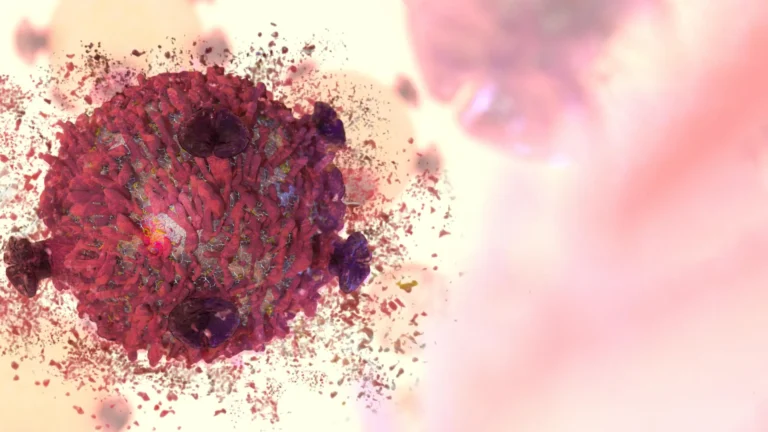
The glycocalyx, a ubiquitous and vital component found adorning the outer membranes of many cellular types, particularly those lining the intricate network of blood vessels, has long been recognized for its protective functions. This dense, gel-like extracellular matrix, composed of complex sugar molecules and associated proteins, acts as a crucial barrier, shielding delicate vascular structures from the physical stresses and chemical insults encountered within the circulatory system. However, the scientific community’s appreciation for the glycocalyx has evolved considerably, with recent years witnessing the emergence of evidence suggesting its involvement in the nuanced regulation of immune cell migration.
Historically, scientific consensus largely attributed the transmigration of immune cells—their passage from the bloodstream into surrounding tissues—to alterations occurring within the glycocalyx of the blood vessel walls themselves. It was theorized that inflammatory signals induced changes in the vessel lining, creating permissive gateways for immune cell passage. This new research fundamentally revises that perspective, revealing that immune cells possess their own sophisticated glycocalyx. Crucially, the study demonstrates that these immune cells actively shed portions of this sugar coating, a deliberate act that appears to be a prerequisite for their exit from the vascular compartment and subsequent entry into inflamed tissues, such as those affected by psoriasis.
The shedding of this specialized sugar coating represents a pivotal maneuver within the body’s intricate inflammatory response. Under normal circumstances, this process is essential for enabling immune cells to reach sites of infection or injury, where they can mount a defense against pathogens or initiate tissue repair. Nevertheless, this same biological mechanism, when unchecked or exaggerated, can contribute significantly to the pathogenesis of chronic inflammatory diseases. In the context of psoriasis, a condition characterized by persistent inflammation and aberrant skin cell proliferation, an excessive accumulation of immune cells within the dermal layers is a hallmark, leading to the characteristic lesions and discomfort experienced by patients.
Dr. Saunders expressed her enthusiasm for the findings, stating, "It is truly exciting to uncover the profound importance of the glycocalyx layer situated on immune cells, and it is my sincere hope that this research will serve as a foundational element for future breakthroughs in the treatment of inflammatory diseases." This sentiment underscores the potential impact of understanding these fundamental cellular processes on clinical applications.
Echoing this sentiment, Dr. Dyer remarked, "Collaborating on this project to redefine our understanding of immune cell recruitment has been a rewarding experience, with the ultimate goal of improving the treatment of inflammatory conditions." The collaborative spirit and shared vision among the researchers highlight the interdisciplinary nature of modern scientific inquiry.
Dr. Priestley, reflecting on her doctoral research, shared, "This project was an exceptionally enjoyable undertaking during my PhD, and I am hopeful that this research will draw greater attention to the critical role of sugars within the immune system." Her perspective emphasizes the personal journey of discovery and the broader scientific significance of the work.
The research team also acknowledged the contributions of other esteemed colleagues, including Dr. Max Nobis from the University of Manchester (formerly of VIB-KU Leuven) and Professor Olga Zubkova from Victoria University of Wellington in New Zealand, underscoring the international and collaborative nature of this scientific endeavor.
The implications of this discovery for the future of psoriasis management are substantial. The precise control of immune cell movement between the bloodstream and the body’s tissues is a cornerstone of therapeutic strategies aimed at combating both infectious diseases and a wide spectrum of inflammatory disorders. By definitively demonstrating that immune cells actively engage in modifying their own surface glycans to facilitate tissue infiltration, this research offers a novel perspective for drug development. Future therapeutic agents could potentially be designed to target and modulate this specific shedding mechanism, thereby inhibiting the detrimental inflammatory cascade characteristic of conditions like psoriasis, without compromising the essential immune functions of these cells.
Primary financial support for this pioneering study was generously provided by The Wellcome Trust and The Royal Society, organizations dedicated to advancing scientific knowledge and fostering innovation. Their investment has enabled researchers to delve into the intricate molecular workings of immune cell behavior, paving the way for a more nuanced understanding of disease and the development of more effective treatments.
About the Author