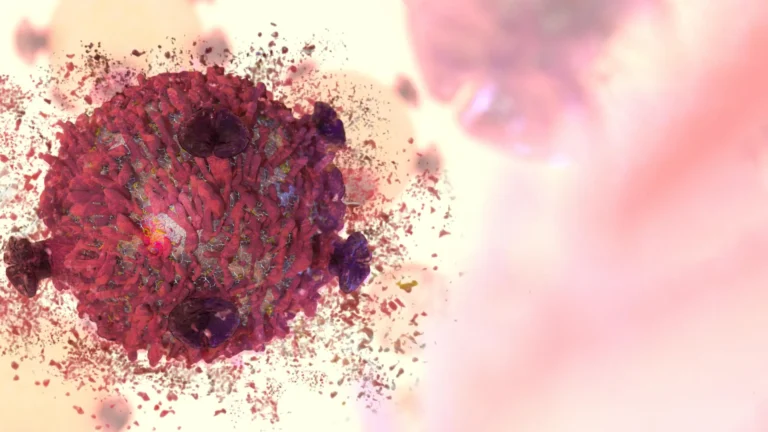
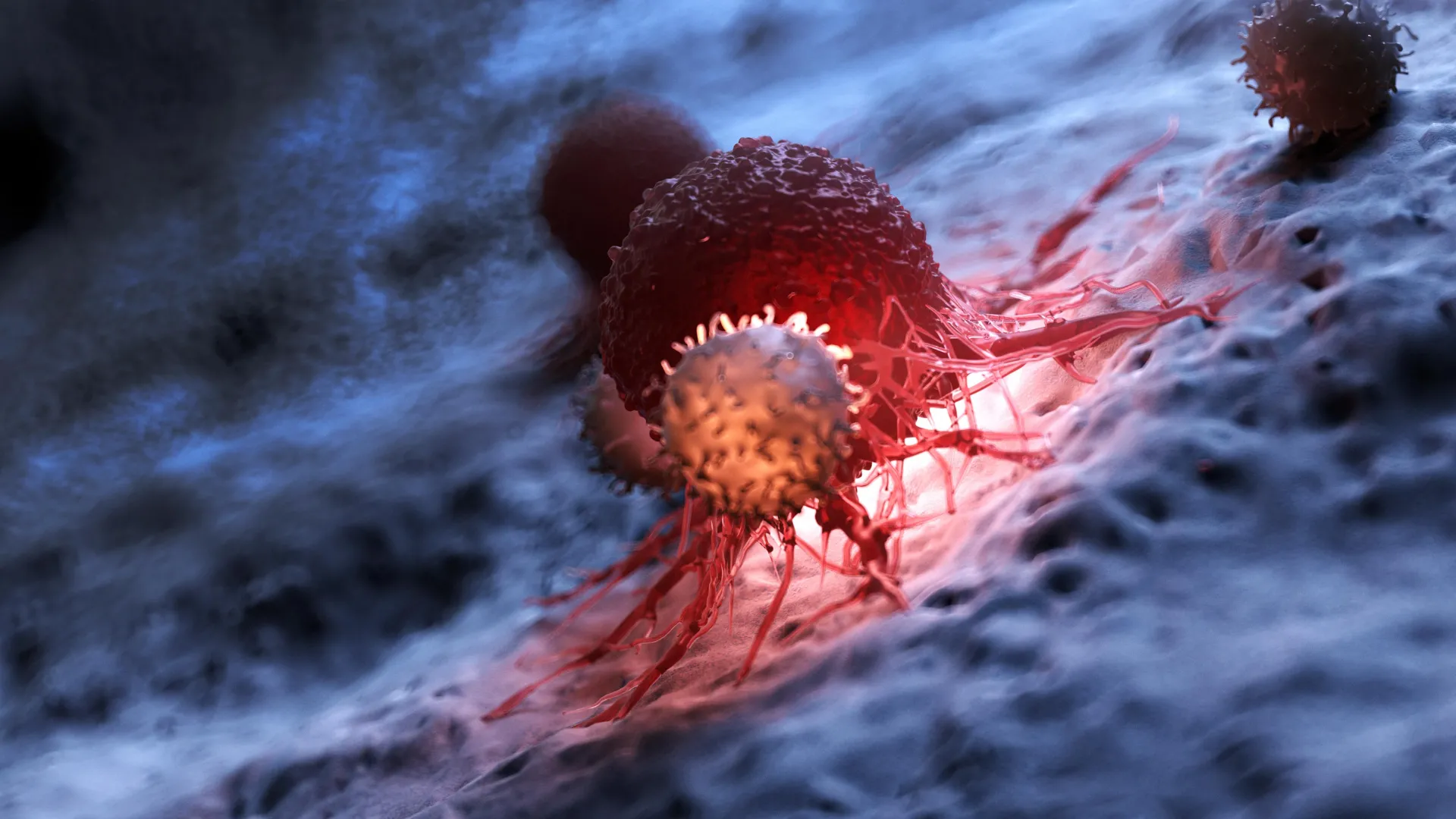
The landscape of cancer treatment has been profoundly altered by the advent of immunotherapy, a revolutionary approach that empowers the patient’s own immune system to identify and eradicate malignant cells. Among the vanguard of these therapies are immune checkpoint inhibitors, drugs designed to disarm specific molecular brakes on immune cells, particularly those targeting the PD-1/PD-L1 pathway. These agents have demonstrably yielded remarkable and enduring remissions in a subset of patients, sparking significant optimism for achieving long-term cancer control. However, a substantial proportion of individuals do not experience comparable benefits, a disparity attributed to the remarkable adaptability of tumors, which can develop sophisticated strategies to evade immune surveillance and thereby circumvent therapeutic intervention.
This persistent challenge has impelled the scientific community to broaden their investigative scope, venturing beyond the immediate tumor microenvironment to scrutinize more pervasive mechanisms of immune evasion. A growing body of research is now concentrating on how cancerous growths can orchestrate a systemic suppression of immune activity, extending its reach far beyond the localized tumor site. Within this expanding frontier, small extracellular vesicles (sEVs), minuscule particles actively released by cancer cells, have emerged as a focal point of intense scientific inquiry. These vesicles are increasingly recognized for their capacity to encapsulate and transport immunosuppressive molecules, capable of dampening the immune response through intricate processes that are still being meticulously elucidated.
A recent investigation undertaken by a collaborative team from Fujita Health University and its affiliated institutions in Japan, under the distinguished leadership of Professor Kunihiro Tsuchida, has shed critical light on a fundamental aspect of this immune resistance. The researchers set out to decipher the precise mechanisms by which PD-L1, a pivotal protein involved in immune checkpoints, is selectively incorporated into sEVs and to assess the therapeutic potential of intervening in this particular pathway. The impetus for this endeavor stemmed from a crucial, yet unresolved, question within the field: while it is widely accepted that cancer cells release sEVs laden with PD-L1, thereby diminishing the effectiveness of immunotherapies, the exact molecular choreography dictating PD-L1’s inclusion into these vesicles remained largely unknown. Addressing this knowledge gap became the cornerstone of their comprehensive study.
Through the diligent application of a multifaceted array of sophisticated methodologies, encompassing molecular and cell biology techniques, rigorous biochemical and pharmacological assays, the analysis of patient-derived biological samples, and advanced bioinformatics, the research team pinpointed ubiquitin-like 3 (UBL3) as a critical determinant governing the trafficking of PD-L1 into sEVs. Their findings revealed that PD-L1 undergoes a novel post-translational modification event, intricately involving UBL3, which differs significantly from the canonical ubiquitination pathway. This modification is characterized by the formation of a disulfide bond and critically depends on a specific cysteine residue, designated as cysteine 272, located within the cytoplasmic domain of the PD-L1 protein.
The experimental evidence unequivocally demonstrated that an augmentation in UBL3 expression within cancer cells led to a pronounced increase in the quantity of PD-L1 sequestered within sEVs, without a corresponding alteration in the overall intracellular levels of PD-L1. Conversely, a reduction in UBL3 levels resulted in a discernible decrease in PD-L1 packaging into vesicles and its subsequent release from the cell. These observations collectively affirmed UBL3’s central and indispensable role in orchestrating the selective loading of PD-L1 into sEVs.
Perhaps one of the most compelling and clinically relevant revelations from the study emerged when the researchers explored the potential of existing pharmacological agents to disrupt this newly identified immune escape mechanism. They discovered that statins, a widely prescribed class of drugs primarily utilized for cholesterol reduction, exhibit a potent inhibitory effect on the UBL3-mediated modification of PD-L1. Across all clinically approved statins subjected to testing, a consistent pattern emerged: they effectively attenuated UBL3 activity, consequently reducing PD-L1 modification and markedly diminishing the amount of PD-L1 being sorted into sEVs.
Crucially, these observed effects were achieved at exceptionally low drug concentrations, well within the therapeutic range achievable in patients, and were not accompanied by any discernible cellular toxicity. Further substantiating the clinical significance of these findings, analysis of blood samples from individuals diagnosed with non-small cell lung cancer revealed a striking correlation. Patients with elevated tumor PD-L1 expression who were concurrently taking statins exhibited significantly lower concentrations of PD-L1-carrying sEVs in their circulation when compared to their counterparts not on statin therapy. This observation strongly suggests that statins may be actively counteracting the immunosuppressive effects mediated by sEV-associated PD-L1 in a real-world clinical setting.
Complementary bioinformatics analysis further underscored the potential clinical impact of this newly identified regulatory axis. The study found that the combined expression levels of UBL3 and PD-L1 were significantly associated with survival outcomes in lung cancer patients, highlighting the prognostic importance of this pathway.
Collectively, these groundbreaking findings provide a crucial molecular explanation for the observed limitations in the efficacy of immune checkpoint inhibitors for a significant patient population and, more importantly, illuminate a practical and readily implementable strategy for potentially enhancing their therapeutic performance. The research has uncovered a previously hidden modus operandi by which cancer cells disseminate immunosuppressive PD-L1 through extracellular vesicles, enabling tumors to effectively subvert immune responses even at considerable distances from the primary tumor mass.
The linkage of this critical pathway to statins is particularly noteworthy, given their widespread availability, affordability, and well-established safety profile. This confluence of factors raises the exciting prospect of relatively rapid translation of these research findings into clinical practice. As the authors of the study themselves articulate, "In the long term, this research may lead to more effective and accessible cancer immunotherapies. It could help more patients benefit from immune checkpoint treatments, improving survival and quality of life in real-world settings."
In essence, this comprehensive investigation has demonstrated that UBL3-driven modification is a pivotal driver in the packaging of PD-L1 into sEVs, and that statins possess the capacity to effectively disrupt this process, thereby reducing the circulation of immunosuppressive PD-L1. By identifying the trafficking of PD-L1 within vesicles as a modifiable contributor to immune escape, this research has forged a promising new avenue for overcoming resistance to cancer immunotherapy. The integration of statins into current combination treatment strategies holds the potential to offer a straightforward, scalable, and widely applicable method for improving therapeutic outcomes for patients receiving immune checkpoint inhibitors.
About the Author