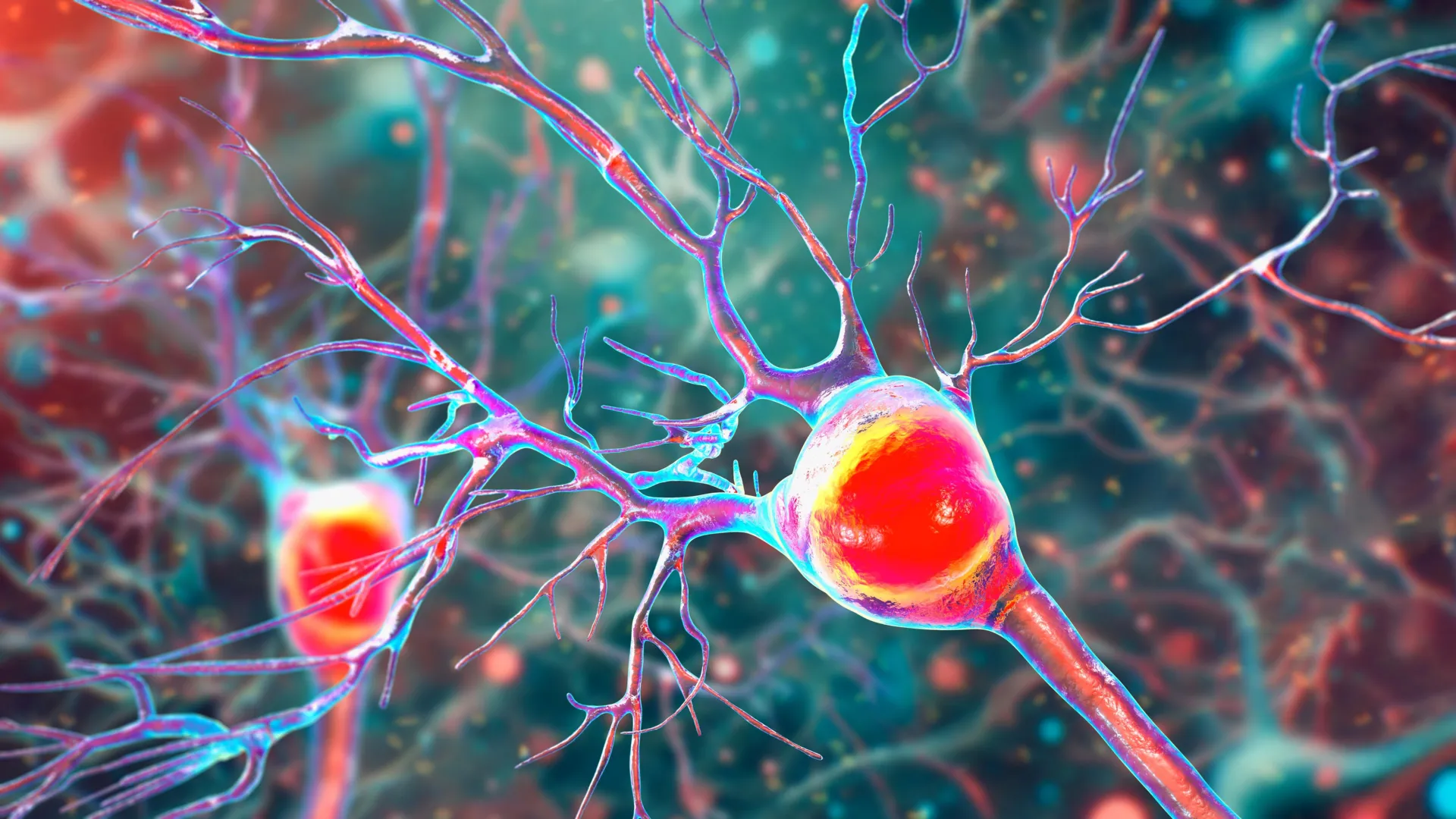
Globally, an estimated 2.3 million individuals are impacted by multiple sclerosis (MS), a chronic autoimmune condition affecting the central nervous system. A significant proportion of these cases, approximately 80%, involve inflammatory processes centered within the cerebellum, a brain region critically responsible for maintaining equilibrium and orchestrating intricate motor functions. The progressive deterioration of this vital area can manifest as involuntary tremors, a pronounced sense of unsteadiness, and marked challenges in achieving voluntary muscle control. Over time, these debilitating symptoms tend to escalate as the healthy neural tissue within the cerebellum undergoes gradual attrition.
Recent scientific inquiry emanating from the University of California, Riverside, has illuminated novel perspectives on the underlying mechanisms driving this progressive functional decline. This groundbreaking research, meticulously documented and published in the esteemed journal Proceedings of the National Academy of Sciences, posits that compromised mitochondrial function serves as a principal instigator in the relentless degradation of specific cerebellar neurons, namely Purkinje cells. The observed attrition of these crucial neuronal populations appears intrinsically linked to the exacerbation of motor coordination deficits experienced by individuals with MS.
At its core, MS is characterized by persistent neuroinflammation and the widespread loss of myelin, the protective fatty sheath that insulates nerve fibers throughout the brain and spinal cord. This process, termed demyelination, severely impedes the efficient transmission of electrical signals along neural pathways, ultimately precipitating a diverse array of neurological impairments. While demyelination directly impacts signal conduction, the new research highlights a parallel and equally critical cellular mechanism: the dysfunction of mitochondria, the organelles responsible for generating the vast majority of a cell’s energy supply, often referred to as the "powerhouses" of the cell.
Dr. Seema Tiwari-Woodruff, a distinguished professor of biomedical sciences at the UC Riverside School of Medicine and the lead investigator of this pivotal study, explained the study’s central hypothesis. "Our investigation, spearheaded by my graduate student Kelley Atkinson, proposes a compelling connection: inflammation and demyelination within the cerebellum disrupt the normal operational capacity of mitochondria. This disruption, in turn, contributes significantly to neuronal damage and the eventual demise of Purkinje cells," she stated. The research team observed a pronounced deficit in COXIV, a vital mitochondrial protein, within Purkinje cells that had undergone demyelination. This finding strongly suggests that mitochondrial impairment is not merely a secondary consequence but a direct contributor to cell death and the pathological changes observed in the cerebellum.
The profound importance of Purkinje cells in motor control cannot be overstated. The seamless execution of everyday actions, from ambulating and grasping objects to simply maintaining an upright posture, necessitates a complex interplay between muscular systems, sensory feedback mechanisms, and a sophisticated network of brain regions. The cerebellum, with its unique cellular architecture, stands at the nexus of this coordination.
"Within the intricate circuitry of the cerebellum reside specialized neurons known as Purkinje neurons," Dr. Tiwari-Woodruff elaborated. "These are exceptionally large and metabolically active cells, playing an indispensable role in the generation of fluid, precise movements. Their function is paramount for activities ranging from athletic endeavors like dancing or throwing a ball to the fundamental act of walking. They are, in essence, the linchpins of balance and fine motor dexterity." In the context of MS and other neurodegenerative disorders affecting the cerebellum, the progressive loss of these neurons frequently leads to the development of ataxia, a debilitating condition characterized by severe impairments in coordination and voluntary movement control.
Analyzing postmortem cerebellar tissue obtained from individuals diagnosed with MS, the researchers identified significant pathological alterations within these critical neurons. The affected Purkinje cells exhibited a reduced dendritic arborization, indicating a diminished capacity for receiving neural input, and were demonstrably losing their myelin sheaths. Crucially, these cells displayed evidence of mitochondrial dysfunction, signifying a critical failure in their energy-generating machinery. "Because Purkinje cells are so central to the intricate process of movement, their degeneration can precipitate profound mobility challenges," Dr. Tiwari-Woodruff emphasized. "Gaining a deeper understanding of the specific reasons for their vulnerability in MS holds the potential to unlock more effective therapeutic strategies aimed at preserving motor function and balance in affected individuals."
To meticulously track the progression of these cellular changes, the research team also employed experimental autoimmune encephalomyelitis (EAE), a well-established mouse model that recapitulates many of the key pathological features and clinical manifestations of human MS. This experimental paradigm provided an invaluable opportunity to observe mitochondrial alterations as the disease advanced. The study revealed a consistent pattern of Purkinje cell loss in the EAE mice over time, mirroring the trajectory observed in human MS patients.
"The Purkinje neurons that survive in the affected cerebellum do not function optimally because their mitochondria, the very engines of cellular energy production, begin to falter," Dr. Tiwari-Woodruff explained. "Furthermore, we observed that myelin breakdown occurs relatively early in the disease course. These intertwined issues – diminished cellular energy reserves, myelin degradation, and neuronal compromise – emerge early on, but the irreversible death of these brain cells tends to occur at later stages as the disease burden intensifies. The pervasive energy deficit within brain cells appears to be a fundamental driver of the damage observed in MS." While the EAE model is not an exact replica of all facets of human MS, its strong parallels to the human condition render it an exceptionally potent tool for dissecting the complex processes of neurodegeneration and for rigorously evaluating novel therapeutic interventions.
The implications of these findings are substantial, particularly in the realm of therapeutic development. "Our results offer critical insights into the functional decline of the cerebellum in MS," Dr. Tiwari-Woodruff asserted. "Interventions specifically designed to bolster mitochondrial health could represent a highly promising avenue for slowing or potentially preventing neurological deterioration and significantly enhancing the quality of life for individuals living with MS. This research brings us one step closer to a comprehensive understanding of the intricate pathophysiology of MS and the development of more precise and impactful treatments for this profoundly disabling disease."
Looking ahead, the research team is actively investigating the extent to which mitochondrial dysfunction permeates beyond Purkinje cells to impact other critical cell types within the cerebellum. This includes oligodendrocytes, the cells responsible for myelin production and maintenance, and astrocytes, glial cells that provide essential support to neuronal function. "To address this crucial question, one of our ongoing research initiatives is dedicated to examining mitochondria within specific neuronal and glial cell populations in the cerebellum," Dr. Tiwari-Woodruff stated. "Such investigations have the potential to pave the way for strategies that protect the brain in its earliest stages of disease involvement. This could involve augmenting energy production within brain cells, facilitating the repair of their protective myelin sheaths, or modulating the immune response before irreversible damage occurs. These efforts are particularly vital for individuals with MS who experience significant challenges with balance and coordination, as these symptoms are directly attributable to cerebellar pathology."
Dr. Tiwari-Woodruff concluded by underscoring the indispensable nature of sustained investment in scientific research. "Reductions in funding for scientific endeavors inevitably impede progress, especially during critical periods of discovery when we need it most," she urged. "Public support for research is not merely beneficial; it is now more essential than ever." The study’s authorship includes Kelley Atkinson, Shane Desfor, Micah Feria, Maria T. Sekyia, Marvellous Osunde, Sandhya Sriram, Saima Noori, Wendy Rincóna, and Britany Belloa, in addition to Dr. Tiwari-Woodruff. Tissue samples utilized in the research were sourced from the National Institutes of Health’s NeuroBioBank and the Cleveland Clinic, comprising postmortem cerebellar tissue from individuals with secondary progressive MS and from healthy controls. The National Multiple Sclerosis Society provided the financial backing for this significant research undertaking. The comprehensive findings are detailed in the research paper titled "Decreased mitochondrial activity in the demyelinating cerebellum of progressive multiple sclerosis and chronic EAE contributes to Purkinje cell loss."
About the Author