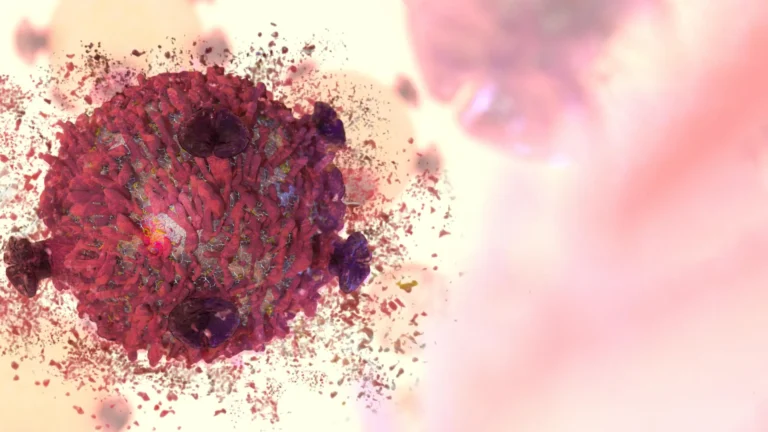
Researchers at Stanford Medicine have meticulously detailed the biological cascade that, in exceedingly infrequent instances, can lead to myocardial inflammation following mRNA-based COVID-19 vaccinations, particularly affecting adolescent and young adult males. This groundbreaking investigation not only illuminates the underlying immune pathways but also proposes a potential avenue for mitigating this rare adverse event.
Through a sophisticated synthesis of contemporary laboratory methodologies and a comprehensive review of existing data from individuals who received the vaccine, the research team has elucidated a biphasic immune response. This intricate process begins with the activation of a specific class of immune cells by the vaccine. These activated cells then, in turn, instigate a secondary immune cell population to mount a response. The synergistic action of these immune components generates inflammation that can compromise the integrity of cardiac muscle cells and propagate further inflammatory reactions within the cardiovascular system.
Despite this discovery, it is crucial to underscore that mRNA COVID-19 vaccines maintain an exceptional safety profile, having been administered billions of times globally. Dr. Joseph Wu, Director of the Stanford Cardiovascular Institute and a distinguished professor of medicine and radiology, emphasized the monumental success of these vaccines in curbing the pandemic’s devastating impact. He stated that without their widespread deployment, the world would have faced significantly higher rates of severe illness, critical complications, and mortality. The rapid development, adaptability to evolving viral strains, and potential for targeting diverse pathogens position mRNA vaccines as a revolutionary advancement in medical science. However, as with all therapeutic interventions, individual physiological responses can vary.
The specific condition under scrutiny, known as vaccine-associated myocarditis, is a rare but recognized side effect of mRNA COVID-19 vaccines. It manifests as inflammation of the heart muscle, with symptoms such as chest discomfort, dyspnea, pyrexia, and palpitations. Crucially, these symptoms emerge in the absence of a viral infection and typically manifest within a one- to three-day window post-vaccination. A key diagnostic indicator often observed in affected individuals is an elevated level of cardiac troponin in their blood. Cardiac troponin, a protein exclusively found within heart muscle cells, serves as a sensitive biomarker for myocardial injury; its presence in circulation signifies damage to these cells. The incidence of this condition is remarkably low, estimated at approximately one in 140,000 individuals after the initial vaccine dose, rising to about one in 32,000 after the second dose. The highest prevalence is observed in males under the age of 30, affecting roughly one in 16,750 vaccine recipients in this demographic.
Fortunately, the overwhelming majority of myocarditis cases linked to vaccination demonstrate a favorable prognosis, with swift resolution and either complete preservation or restoration of cardiac function. Dr. Wu clarified that this is not analogous to a traditional heart attack, which typically involves the blockage of coronary arteries. In cases of mild symptoms and minimal structural damage to the heart, a period of observation is usually sufficient to ensure a full recovery. Nevertheless, in exceptionally rare circumstances, severe inflammation can precipitate significant cardiac injury, necessitating hospitalization, intensive care, or, in the most extreme and infrequent scenarios, leading to fatality. He further stressed that the risks associated with COVID-19 infection itself are substantially higher, with the disease being approximately ten times more likely to induce myocarditis than the mRNA vaccine, in addition to its myriad other health hazards.
The seminal study, published in Science Translational Medicine on December 10th, was co-authored by Dr. Wu and Dr. Masataka Nishiga, a former Stanford postdoctoral scholar now at The Ohio State University, with Dr. Xu Cao of Stanford serving as the lead author. "Medical scientists are quite aware that COVID itself can cause myocarditis," Dr. Wu remarked. "To a lesser extent, so can the mRNA vaccines. The question is, why?" This fundamental question drove the research.
To address this inquiry, the research team meticulously analyzed blood samples obtained from vaccinated individuals, specifically including those who developed myocarditis. A comparative analysis against samples from individuals who did not experience cardiac inflammation revealed two proteins of significant interest. "Two proteins, named CXCL10 and IFN-gamma, popped up. We think these two are the major drivers of myocarditis," Dr. Wu explained. These molecules, CXCL10 and IFN-gamma, are classified as cytokines, which are signaling proteins essential for intercellular communication and the orchestration of immune responses.
The researchers embarked on a series of experiments using human immune cells known as macrophages, which function as frontline responders in the immune system. These macrophages were cultured in vitro and exposed to mRNA vaccines. Following this exposure, the macrophages released a spectrum of cytokines, with a notably pronounced elevation in CXCL10 levels. This observed cellular behavior closely mirrored immune responses previously documented in vaccinated human subjects. Subsequently, when T cells were introduced into this experimental system, either directly or through exposure to the conditioned media from the macrophage cultures, these T cells commenced the production of substantial quantities of IFN-gamma. In contrast, T cells exposed solely to the vaccine without the intermediary macrophage influence did not exhibit this amplified IFN-gamma production. These findings definitively established that macrophages are the primary producers of CXCL10, while T cells serve as the principal source of IFN-gamma in the context of post-vaccination immune activation.
To ascertain whether these specific cytokines could directly inflict damage on the heart, the study involved the vaccination of young male mice. These animals subsequently exhibited elevated levels of cardiac troponin, a clear indicator of myocardial injury. Furthermore, the examination of their cardiac tissue revealed an infiltration of immune cells, including macrophages and neutrophils. Neutrophils, short-lived immune cells known for their aggressive response to perceived threats, are a significant component of inflammatory exudate. This pattern of immune cell infiltration closely resembles that observed in human cases of vaccine-associated myocarditis. The administration of agents designed to block CXCL10 and IFN-gamma significantly reduced the migration of these immune cells into the heart tissue and consequently limited the extent of damage to healthy cardiac structures. The researchers also identified an upregulation of adhesion molecules within the cardiac vasculature. These molecules play a crucial role in facilitating the attachment of immune cells to the vessel walls, thereby easing their transmigration into the heart tissue. Collectively, these experimental observations provided robust evidence that CXCL10 and IFN-gamma directly contribute to cardiac injury. Importantly, the blockade of these cytokines preserved a substantial portion of the beneficial immune response to vaccination while concurrently diminishing the markers of cardiac damage.
Further validation of these findings was achieved through the use of human cardiac tissue models developed in Dr. Wu’s laboratory. This specialized facility excels at converting somatic cells, such as skin or blood cells, into induced pluripotent stem cells, which can then be differentiated into various cardiac cell types, including cardiomyocytes, immune cells, and endothelial cells. These differentiated cells are then assembled into small, self-organizing, beating clusters, referred to as cardiac spheroids, which recapitulate key aspects of cardiac function. When these cardiac spheroids were exposed to CXCL10 and IFN-gamma harvested from the immune cells of vaccinated individuals, markers indicative of cardiac stress escalated dramatically. Conversely, the application of inhibitory compounds to block these cytokines effectively attenuated this observed damage. Moreover, functional parameters of the cardiac spheroids, such as contractility and heart rhythm, which were impaired by cytokine exposure, demonstrated significant improvement following the blockade of the signaling pathways.
In a curious and potentially significant development, Dr. Wu posited that a readily available dietary compound might offer cardioprotective benefits. Observing that myocarditis is more prevalent in males and knowing that estrogen possesses anti-inflammatory properties, he revisited the properties of genistein, a compound derived from soybeans, which his team had previously investigated. In a 2022 study published in the journal Cell, his group had demonstrated that genistein exhibits anti-inflammatory characteristics and can mitigate vascular and cardiac tissue damage induced by marijuana. Dr. Wu commented on the safety profile of genistein, noting that its oral absorption is relatively low, suggesting a very low risk of overdose.
The researchers then systematically repeated their experimental protocols, pre-treating cells, cardiac spheroids, and mice (via oral administration of substantial quantities) with genistein. This preemptive genistein treatment significantly reduced the cardiac damage elicited by either mRNA vaccination or the combination of CXCL10 and IFN-gamma. It is worth noting that the genistein utilized in this study was a more purified and concentrated form compared to commercially available dietary supplements. Dr. Wu also speculated on the broader implications of this research, suggesting that the inflammatory response triggered by mRNA vaccines might extend to other organs. He cited preliminary evidence from his own and other research groups indicating potential effects on the lungs, liver, and kidneys, and posited that genistein might prove effective in reversing such changes as well.
The implications of this research extend beyond the specific context of COVID-19 vaccines. Heightened cytokine signaling, particularly involving IFN-gamma, appears to be a more general characteristic of mRNA vaccine technology. IFN-gamma plays a pivotal role in the body’s defense against foreign genetic material, including viral RNA. "Your body needs these cytokines to ward off viruses. It’s essential to immune response but can become toxic in large amounts," Dr. Wu explained, elaborating that excessive IFN-gamma can precipitate symptoms akin to myocarditis and lead to the breakdown of cardiac muscle proteins. This risk is not exclusive to COVID-19 vaccines; other vaccine types can also induce myocarditis and inflammatory conditions, although symptoms may be more generalized. However, the heightened public and media scrutiny surrounding mRNA COVID-19 vaccines means that potential side effects like chest pain are more likely to prompt medical evaluation, leading to diagnoses of myocarditis when troponin levels are elevated. In contrast, milder symptoms following other vaccines, such as generalized muscle or joint aches, are often dismissed. The study received funding from the National Institutes of Health (grants R01 HL113006, R01 HL141371, R01 HL141851, R01 HL163680, and R01 HL176822) and the Gootter-Jensen Foundation.
About the Author