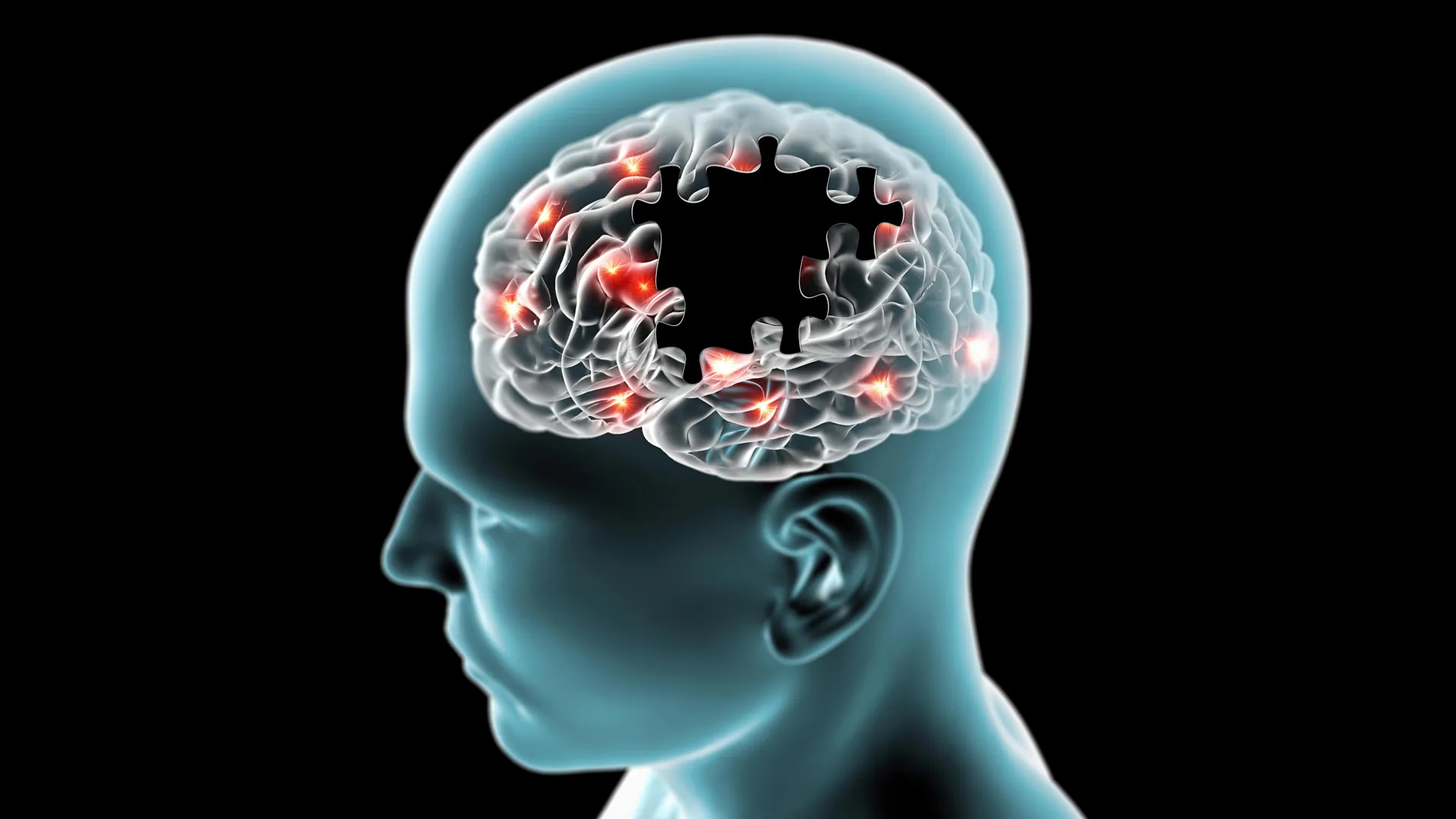
Parkinson’s disease, a debilitating neurological condition affecting an estimated one million individuals across the United States, with approximately 90,000 new diagnoses annually according to the Parkinson’s Foundation, is characterized by the progressive deterioration of dopamine-producing neurons within the brain. This loss of critical neural circuitry profoundly impairs the brain’s capacity to regulate smooth, controlled motor functions, leading to a spectrum of movement-related challenges for affected individuals. Current therapeutic interventions largely concentrate on alleviating the outward manifestations of the disease, a strategy that often provides transient relief as its efficacy diminishes over time. However, a significant advancement has emerged from researchers at Case Western Reserve University, who have elucidated a specific cellular mechanism instrumental in the underlying neurodegenerative processes associated with Parkinson’s.
This groundbreaking investigation, detailed in a recent publication in the journal Molecular Neurodegeneration, meticulously delineates how the aberrant accumulation of toxic protein aggregates within neurons contributes directly to the demise of motor control-governing nerve cells, a defining pathological feature of Parkinson’s disease. The research team has identified a detrimental interplay between specific proteins that compromises the integrity of mitochondria, the vital energy-producing organelles within brain cells. This discovery is particularly significant as it not only illuminates a key driver of neuronal damage but also presents a novel therapeutic avenue capable of disrupting this harmful interaction and potentially reinstating healthy neuronal function.
Following an extensive three-year research endeavor, the scientists pinpointed an abnormal association between alpha-synuclein, a protein notoriously implicated in the aggregation characteristic of Parkinson’s disease, and an enzyme known as ClpP. Under normal physiological conditions, ClpP plays a crucial role in maintaining cellular homeostasis. However, its interaction with misfolded alpha-synuclein leads to a functional impairment, initiating a cascade of cellular dysfunction. This disruption is particularly damaging to mitochondria, the cell’s powerhouses. When alpha-synuclein impedes ClpP’s normal activity, the mitochondria’s ability to generate energy falters, precipitating widespread neurodegeneration and neuronal loss. Experimental evidence derived from diverse research models unequivocally demonstrated that this specific molecular interaction accelerates the progression of Parkinson’s disease pathology.
In response to this critical finding, the research group engineered a therapeutic compound designated CS2. This innovative molecule is specifically designed to intercept and block the detrimental protein interaction between alpha-synuclein and ClpP. By acting as a molecular decoy, CS2 effectively diverts alpha-synuclein away from its damaging engagement with ClpP, thereby safeguarding the integrity of the cell’s energy production machinery. The efficacy of CS2 was rigorously tested across a range of experimental platforms, including analyses of human brain tissue, patient-derived neuronal cultures, and animal models of Parkinson’s disease. These studies consistently revealed that CS2 treatment significantly mitigated neuroinflammation and facilitated notable improvements in motor coordination and cognitive performance, underscoring its potential as a disease-modifying agent.
This research heralds a paradigm shift in the therapeutic landscape for Parkinson’s disease, moving beyond symptomatic management to directly address a fundamental cause of the pathology. By targeting the specific molecular aberration that fuels neuronal degeneration, this approach offers the promise of halting or even reversing disease progression. The success of this endeavor is deeply rooted in Case Western Reserve University’s established expertise in mitochondrial biology and neurodegenerative disease research, complemented by a robust collaborative ecosystem and access to sophisticated experimental methodologies. These foundational strengths were instrumental in translating fundamental biological insights into a tangible therapeutic strategy with significant clinical implications.
The next phase of this pioneering research is focused on advancing this promising discovery toward human clinical application. Over the forthcoming five years, the team intends to optimize the CS2 compound for human administration, conduct comprehensive safety and efficacy trials, identify reliable biomarkers to monitor disease progression, and ultimately pave the way for patient-centered treatment protocols. The ultimate aspiration is to develop mitochondria-targeted therapies that can restore normal physiological function and enhance the quality of life for individuals living with Parkinson’s disease, transforming it from a progressively debilitating condition into a manageable or even resolvable health challenge.
About the Author