A pivotal scientific breakthrough from the University of California San Diego has fundamentally reshaped our understanding of how cancer cells acquire the ability to rapidly adapt and resist therapeutic interventions. Researchers have successfully pinpointed the specific enzyme responsible for initiating chromothripsis, a profound and chaotic genomic event long recognized as a major accelerator of tumor progression, yet whose underlying trigger remained elusive. This groundbreaking discovery, published in the esteemed journal Science, not only illuminates the molecular genesis of this aggressive form of genomic instability but also unveils promising new avenues for developing targeted treatments against some of the most intractable malignancies.
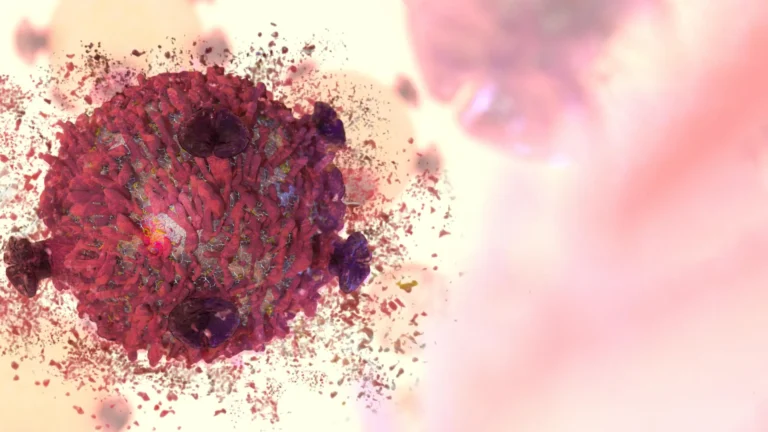
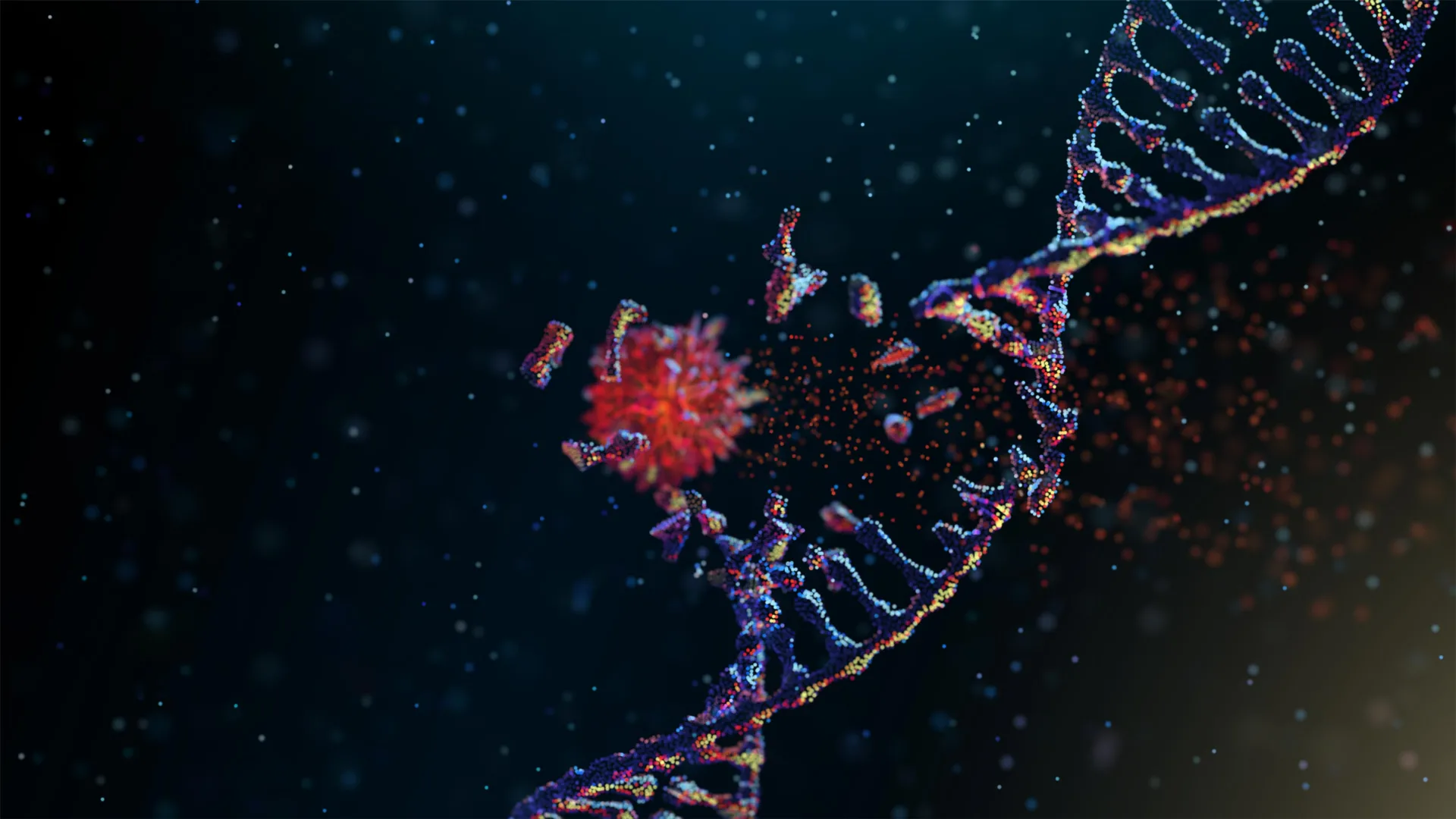
For over a decade, chromothripsis has captivated oncologists and molecular biologists as a dramatic and destructive phenomenon within the cancer genome. Unlike the gradual accumulation of genetic mutations that typically characterize cancer development, chromothripsis manifests as a single, cataclysmic cellular episode. During this event, a chromosome shatters into numerous fragments, which are then haphazardly reassembled in an incorrect order, often leading to massive gains, losses, and rearrangements of genetic material. This profound genomic reshuffling bestows cancer cells with an unparalleled capacity for rapid evolution, allowing them to swiftly circumvent drug therapies and develop formidable resistance, making tumors exceedingly difficult to eradicate. The sheer scale of alterations—potentially dozens or even hundreds of genetic changes occurring almost instantaneously—makes it a formidable adversary in the fight against cancer.
The prevalence of chromothripsis underscores its significance. Epidemiological studies have indicated that approximately one in four human cancers exhibits hallmarks of this catastrophic chromosomal damage. In certain aggressive tumor types, this incidence rate escalates dramatically. For instance, nearly all cases of osteosarcoma, a highly aggressive form of bone cancer primarily affecting children and young adults, display evidence of chromothripsis. Similarly, many brain cancers, including devastating forms like glioblastoma, show markedly elevated levels of this genomic chaos. The correlation between chromothripsis and poor patient prognosis in these cancers has long highlighted the urgent need to decipher its mechanistic origins.
The journey to uncover the molecular "spark" behind chromothripsis began with a deep dive into the intricate processes of cell division. Normal cell division, or mitosis, is a meticulously choreographed dance of chromosomes, ensuring that each daughter cell receives a complete and identical set of genetic instructions. However, errors can occur, particularly in rapidly dividing cancer cells. One such error involves the missegregation of a chromosome, leading to its exclusion from the main nucleus and its encapsulation within a separate, diminutive nuclear compartment known as a micronucleus. These micronuclei are inherently fragile structures, prone to rupture. When a micronucleus bursts, the chromosome trapped within is suddenly exposed to the cellular environment, no longer protected by the nuclear envelope. In this vulnerable state, it becomes susceptible to attack by nucleases—enzymes specifically designed to cut and degrade DNA strands. Until now, the identity of the specific nuclease responsible for initiating the catastrophic fragmentation within these ruptured micronuclei remained a critical missing piece of the puzzle, hindering the development of targeted interventions.
To precisely identify this elusive culprit, the research team at UC San Diego, led by senior author Dr. Don Cleveland, a distinguished professor of cellular and molecular medicine, embarked on a comprehensive and systematic investigation. They employed an advanced imaging-based screening approach, meticulously examining a vast array of known and predicted human nucleases. The methodology involved monitoring the real-time behavior and activity of each enzyme within living cancer cells, a high-throughput strategy designed to reveal any enzyme uniquely associated with the destructive process. Among the many candidates, one enzyme, N4BP2, distinguished itself. It demonstrated an exceptional and unique ability to penetrate the delicate confines of micronuclei and proceed to fragment the chromosomal DNA held within. This specific enzymatic activity immediately flagged N4BP2 as a prime suspect in the initiation of chromothripsis.
The researchers then proceeded to conduct rigorous validation experiments to unequivocally establish N4BP2’s direct causal role. In a series of compelling experiments, they manipulated N4BP2 levels in brain cancer cell lines. When the enzyme was genetically removed or its activity suppressed, the incidence of chromosome shattering plummeted dramatically. Conversely, when N4BP2 was forcibly expressed and directed into the nucleus of otherwise healthy cells, intact chromosomes unexpectedly fragmented, mimicking the hallmark damage seen in chromothripsis. These controlled experiments provided irrefutable evidence, demonstrating that N4BP2 is not merely correlated with chromothripsis but is, in fact, sufficient to directly instigate it. "This is the first direct molecular explanation for how catastrophic chromosome fragmentation begins," stated Dr. Ksenia Krupina, the study’s first author and a postdoctoral fellow at UC San Diego, emphasizing the significance of these findings in clarifying a long-standing mystery in cancer biology.
Beyond elucidating the direct mechanism, the study also uncovered a crucial link between N4BP2 activity, chromothripsis, and the formation of extrachromosomal DNA (ecDNA). The team analyzed an extensive dataset of over 10,000 cancer genomes across diverse tumor types. Their analysis revealed a strong correlation: cancers exhibiting higher levels of N4BP2 activity consistently displayed significantly more evidence of chromothripsis and widespread structural rearrangements within their genomes. Crucially, these tumors also harbored increased quantities of extrachromosomal DNA. ecDNA consists of circular DNA fragments that exist independently of the cell’s main chromosomes, often carrying multiple copies of powerful cancer-promoting genes (oncogenes). These self-replicating elements are notorious for driving aggressive tumor growth, facilitating rapid adaptation to stress, and conferring potent resistance to a broad spectrum of cancer therapies. Consequently, ecDNA has garnered immense scientific interest, recognized as one of the "Cancer Grand Challenges" by leading organizations such as the National Cancer Institute and Cancer Research UK, owing to its profound impact on treatment outcomes.
The groundbreaking implication of this study is that ecDNA, rather than being an independent phenomenon, appears to be a downstream consequence of chromothripsis. By positioning N4BP2 at the very initiation point of this destructive cascade—N4BP2 triggers chromothripsis, which in turn generates the raw material for ecDNA formation—the research establishes a clear causal hierarchy. This new understanding provides a critical entry point for dissecting and potentially controlling some of the most unstable and dangerous forms of cancer genome instability.
The implications of this discovery for future therapeutic strategies are profound. By identifying N4BP2 as the molecular trigger, scientists now have a tangible target for intervention. Strategies could involve developing small-molecule inhibitors to directly block N4BP2’s enzymatic activity, thereby preventing chromosome shattering. Alternatively, therapies could focus on modulating the cellular pathways that N4BP2 activates or that regulate its access to micronuclei. Such approaches hold the promise of limiting the genomic chaos that empowers tumors to rapidly adapt, recur, and develop drug resistance, especially in cancers currently lacking effective treatments. Slowing down or even halting this accelerated evolutionary process could significantly improve the efficacy of existing therapies and enhance patient survival rates.
This landmark research represents a significant leap forward in our understanding of cancer’s intrinsic ability to evolve and evade treatment. It underscores the importance of fundamental mechanistic research in uncovering vulnerabilities that can be exploited for therapeutic benefit. The collaborative efforts of the researchers, supported by crucial funding from organizations such as the National Institutes of Health, highlight the collective scientific endeavor required to unravel cancer’s complexities. With N4BP2 now unmasked as a key architect of genomic instability, the path is clearer for developing innovative strategies to combat some of the most challenging and aggressive forms of human cancer, offering renewed hope for patients worldwide.
About the Author