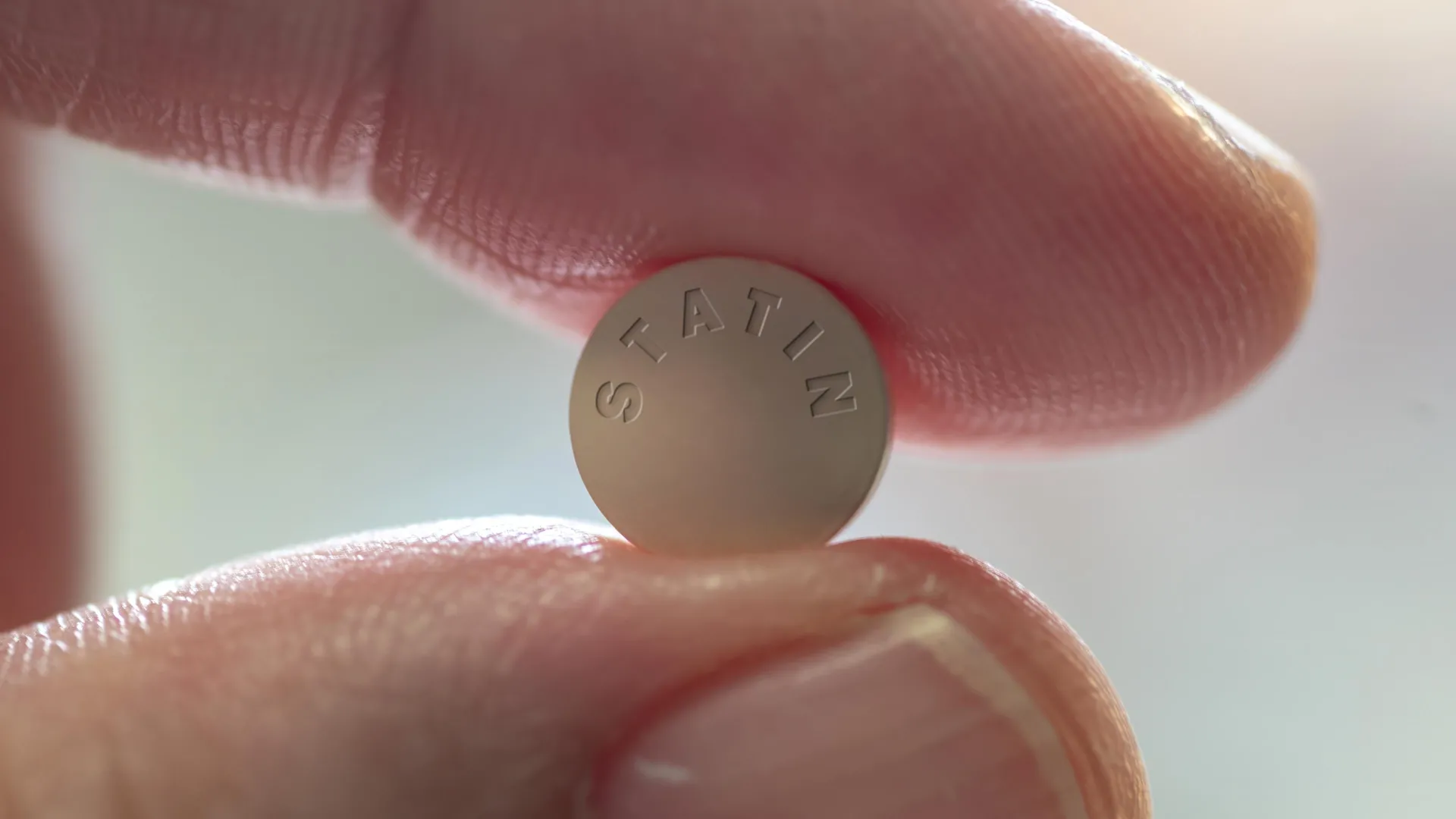
A significant segment of individuals prescribed cholesterol-lowering statin medications encounter debilitating muscle pain, diminished strength, or persistent fatigue, leading many to discontinue their treatment. These adverse effects represent a primary impediment to the widespread adherence and efficacy of statins, a class of drugs vital in managing cardiovascular risk for millions. Now, groundbreaking investigations originating from Columbia University have illuminated a potential molecular pathway that may account for these troublesome symptoms in a subset of patients, offering a glimmer of hope for improved therapeutic strategies.
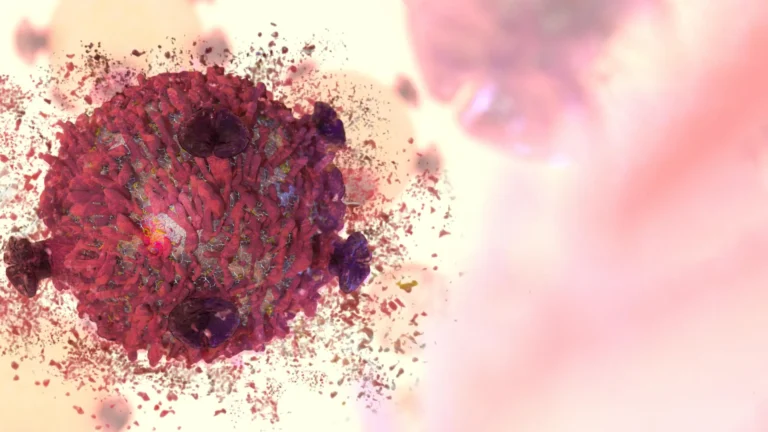
The core of this new understanding lies in the observation that specific statin compounds can inadvertently bind to a critical protein within muscle cells, identified as the ryanodine receptor. This interaction, the research suggests, acts as a molecular key, unlocking a conduit that facilitates the uncontrolled release of calcium ions from their usual intracellular storage sites. This efflux of calcium into areas of the muscle cell where it is not meant to be present triggers a cascade of disruptive events, ultimately impairing normal muscle function and manifesting as pain and weakness.
Andrew Marks, the distinguished chair of the Department of Physiology and Cellular Biophysics at Columbia University’s Vagelos College of Physicians and Surgeons, emphasized the potential scope of these findings. While acknowledging that this precise mechanism might not be the sole culprit for every instance of statin-related muscular side effects, he noted the substantial impact even if it explains a fraction of cases. "It is unlikely that this explanation applies to everyone who experiences muscular side effects with statins," Dr. Marks stated, "but even if it explains a small subset, that’s a lot of people we could help if we can resolve the issue." This sentiment underscores the clinical significance of unraveling even a partial explanation for a widely experienced and vexing side effect.
Statins hold a prominent position in contemporary pharmacotherapy within the United States, with an estimated forty million adults relying on these medications to manage elevated cholesterol levels. Despite their broad utility, approximately ten percent of these individuals report experiencing adverse muscular reactions, a figure that highlights the prevalence and clinical relevance of this issue. The problem is not merely statistical; it has a profound impact on individual patient care. "I’ve had patients who’ve been prescribed statins, and they refused to take them because of the side effects," Dr. Marks elaborated, "It’s the most common reason patients quit statins, and it’s a very real problem that needs a solution." This personal account from a leading researcher vividly illustrates the real-world consequences of these side effects, driving the urgent need for scientific clarity and therapeutic innovation.
The enigma of statin-induced muscle pain has been a persistent challenge for the scientific community since these drugs first emerged on the pharmaceutical landscape in the late 1980s. While their primary mode of action involves inhibiting a key enzyme in the cholesterol biosynthesis pathway, it has long been recognized that statins possess a promiscuous nature, capable of interacting with other molecular targets beyond their intended enzymatic foe. This off-target engagement has been the subject of intense scrutiny, with early hypotheses suggesting a connection between statin use and muscle tissue. Previous research had indeed pointed towards an interaction with a specific protein within muscle cells as a potential source of these adverse effects, yet the precise molecular choreography of this interaction remained elusive until now.
The recent breakthrough was facilitated by the application of cryo-electron microscopy, an advanced imaging technology that provides atomic-level resolution of biological structures. This powerful technique allowed the Columbia University research team to directly visualize the intricate dance between a statin molecule and the components of a muscle cell. By peering into the very architecture of cellular interactions, scientists were able to decode the previously hidden details of this problematic engagement.
The detailed structural insights gleaned from the cryo-electron microscopy revealed that simvastatin, a commonly prescribed statin, establishes physical connections at two distinct sites on the ryanodine receptor protein. The ryanodine receptor plays a pivotal role in regulating calcium flux within muscle cells, a process essential for muscle contraction. When simvastatin binds to these specific sites, it effectively latches onto the receptor and prompts it to open an ion channel, creating an unintended pathway for calcium ions to escape from their designated compartments. This leakage of calcium into the sarcoplasm, the cytoplasm of muscle cells, disrupts the delicate ionic balance required for healthy muscle function.
Dr. Marks explained that this aberrant calcium release is the likely driver of the pain and weakness experienced by patients. The presence of excessive calcium in the muscle cell’s interior can directly compromise the integrity of muscle fibers, leading to damage and discomfort. Furthermore, this surplus calcium can activate intracellular enzymes that are designed to break down cellular components, potentially contributing to a gradual degradation of muscle tissue over time. This dual mechanism of direct fiber weakening and enzymatic breakdown paints a comprehensive picture of how the calcium leak can manifest as significant musculoskeletal symptoms.
These pivotal findings open promising avenues for the development of safer and more tolerable cholesterol-lowering therapies. One compelling strategy involves the rational redesign of statin molecules themselves. The goal would be to engineer statins that retain their potent cholesterol-lowering capabilities by effectively inhibiting the target enzyme in the liver but are structurally modified to prevent their binding to the ryanodine receptor in muscle cells. Dr. Marks and his collaborators are actively engaged in this pursuit, working with medicinal chemists to synthesize new statin analogs that circumvent this undesirable interaction.
Beyond modifying the statins, an alternative therapeutic approach focuses on directly intervening to halt the disruptive calcium leak. The research team demonstrated in preclinical models, specifically in mice, that the statin-induced calcium leakage can be effectively blocked using an experimental compound. This compound was originally developed in Dr. Marks’ laboratory for the treatment of other conditions characterized by abnormal calcium signaling. The success of this experimental drug in animal models suggests its potential for translation to human therapies. "These drugs are currently being tested in people with rare muscle diseases," Dr. Marks noted, indicating the ongoing clinical evaluation for related conditions. "If it shows efficacy in those patients, we can test it in statin-induced myopathies," he added, outlining a clear path forward for addressing statin-related muscle disorders.
The comprehensive study, titled "Structural basis for simvastatin-induced skeletal muscle weakness associated with RyR1 T4709M mutation," was published on December 15th in the prestigious Journal of Clinical Investigation. The extensive author list reflects a collaborative effort involving researchers from multiple institutions, including Gunnar Weninger, Haikel Dridi, Steven Reiken, Qi Yuan, Nan Zhao, Linda Groom, Jennifer Leigh, Yang Liu, Carl Tchagou, Jiayi Kang, Alexander Chang, Estefania Luna-Figueroa, Marco C. Miotto, Anetta Wronska, and Robert T. Dirksen, in addition to lead investigator Andrew R. Marks. Funding for this significant research initiative was provided by the National Institutes of Health (NIH) through a series of grants, including R01HL145473, R01DK118240, R01HL142903, R01HL140934, R01NS114570, R01AR070194, R01AR078000, R25HL156002, R25NS076445, P01HL164319, and T32HL120826, underscoring the robust support for this critical area of investigation.
Disclosures from the study authors highlight potential conflicts of interest, demonstrating transparency in scientific reporting. Dr. Andrew Marks holds stock in RyCarma Therapeutics Inc., a company dedicated to developing therapeutic compounds that target the ryanodine receptor, and is a coinventor on two U.S. patents related to this technology (U.S. Patent Nos. US8022058 and US8710045). Furthermore, Dr. Marks, along with co-authors Gunnar Weninger, Haikel Dridi, and Marco C. Miotto, are listed as inventors on a pending patent application filed by Columbia University, titled "STATIN INNOVATION FOR MUSCLE-FRIENDLY CHOLESTEROL MANAGEMENT" (Invention Report (IR) #CU24350). These disclosures, while important for transparency, also underscore the deep engagement of the researchers in translating their scientific discoveries into tangible clinical solutions.
About the Author