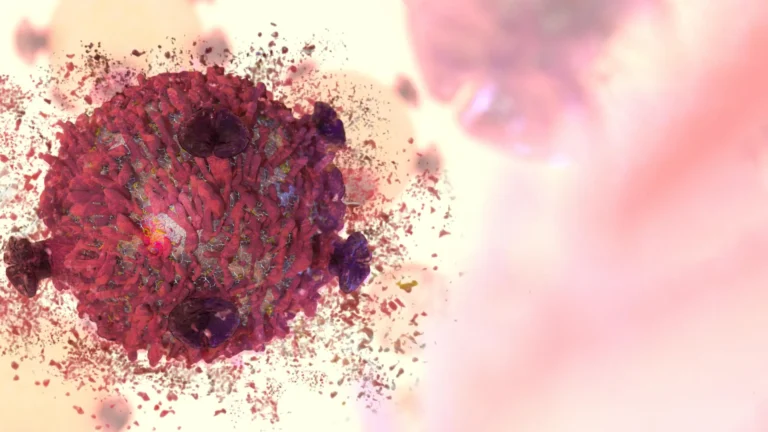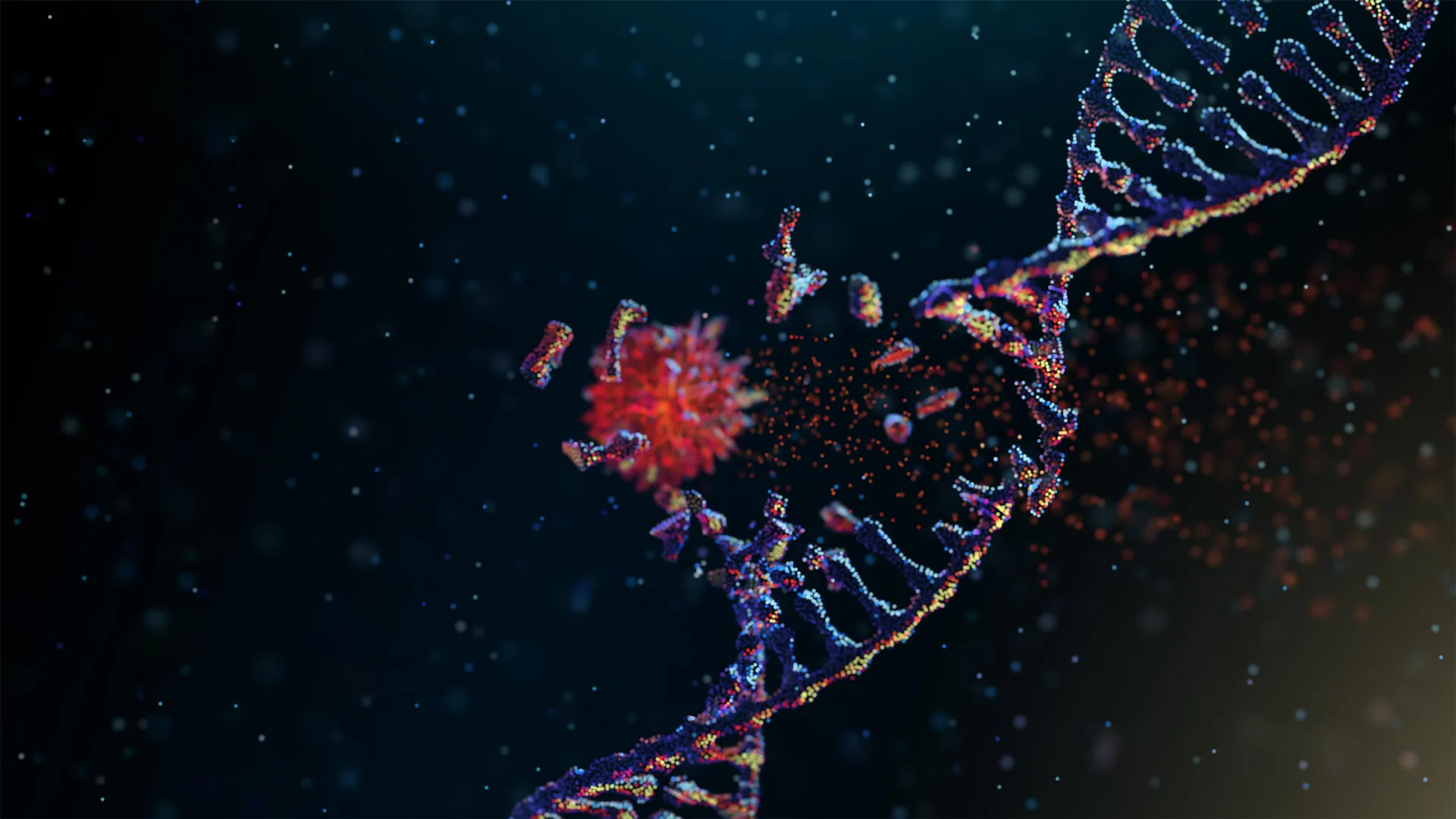
Scientists at the University of California San Diego have unveiled a critical molecular player, an enzyme that orchestrates a dramatic and destructive rearrangement of genetic material within cancer cells, a process known as chromothripsis. This profound genomic upheaval, characterized by the fragmentation and haphazard reassembly of entire chromosomes, has long been recognized as a significant driver of cancer’s rapid evolution and its tenacious ability to evade therapeutic interventions, yet the precise catalyst initiating this chaotic cascade remained elusive until now. The groundbreaking research, detailed in the latest issue of the esteemed journal Science, not only illuminates the molecular trigger but also paves the way for novel therapeutic strategies targeting some of the most recalcitrant forms of the disease.
Cancer cells employ a diverse arsenal of survival mechanisms to persist and proliferate, even in the face of aggressive medical treatments. Among these, chromothripsis stands out due to its sheer magnitude and speed. Unlike the more common, incremental accumulation of individual mutations that often marks tumor progression, chromothripsis can instantaneously generate scores, even hundreds, of genetic alterations in a single, catastrophic event. This abrupt burst of genomic instability confers upon cancer cells a remarkable capacity for rapid adaptation, making tumors significantly more challenging to manage and eradicate.
The prevalence of chromothripsis is striking, with studies indicating that approximately one in every four diagnosed cancers exhibits evidence of this extensive chromosomal damage. In certain aggressive cancer types, the frequency is even more pronounced. For instance, nearly all cases of osteosarcoma, a particularly aggressive bone cancer, display clear hallmarks of chromothripsis. Similarly, numerous types of brain cancers also demonstrate exceptionally high rates of this genomic aberration.
"This discovery finally identifies the specific molecular ‘spark’ that ignites one of the most aggressive forms of genome rearrangement observed in cancer," stated Dr. Don Cleveland, the senior author of the study, a distinguished professor of cellular and molecular medicine at UC San Diego School of Medicine and a member of the UC San Diego Moores Cancer Center. "By pinpointing the enzyme responsible for the initial breakage of chromosomes, we have uncovered a crucial, actionable target for potentially halting the rapid evolutionary trajectory of cancer."
The genesis of chromothripsis is intimately linked to errors that occur during cell division, a fundamental biological process. These errors can lead to the accidental trapping of entire chromosomes within small, transient cellular structures called micronuclei. Micronuclei are characteristically fragile, and their subsequent rupture exposes the enclosed chromosome to the cellular environment. Once unprotected, the DNA within the chromosome becomes highly susceptible to the action of nucleases, a class of enzymes specialized in cleaving DNA strands.
Prior to this research, the scientific community lacked definitive knowledge regarding which specific nuclease initiated this destructive chain reaction, creating a significant impediment to the development of targeted therapies designed to intercept and prevent chromothripsis.
To identify the enzyme responsible, the research team employed an innovative, imaging-based screening methodology. This approach systematically evaluated the behavior of all known and predicted human nucleases within living cancer cells. Through meticulous observation, one enzyme, designated N4BP2, distinguished itself. It demonstrated a unique propensity to enter micronuclei and effectively fragment the DNA contained within them.
The researchers then rigorously tested whether N4BP2 was not merely present but was the direct causative agent of chromothripsis. Their experiments revealed that when the N4BP2 enzyme was experimentally depleted from brain cancer cells, the incidence of chromosome shattering decreased dramatically. Conversely, when N4BP2 was artificially introduced into the nucleus of healthy cells, even those without any pre-existing chromosomal abnormalities, intact chromosomes were observed to break apart.
"These experiments provided unequivocal evidence that N4BP2 is not merely correlated with chromothripsis; it is sufficient to induce it," explained Dr. Ksenia Krupina, the first author of the study and a postdoctoral fellow at UC San Diego. "This represents the first direct molecular explanation for how such devastating chromosome fragmentation originates."
The implications of this discovery extend beyond the fundamental understanding of chromothripsis to its direct link with highly aggressive tumors and the generation of extrachromosomal DNA (ecDNA). The research team analyzed a vast dataset comprising over 10,000 cancer genomes from a wide spectrum of tumor types. Their findings revealed a strong correlation: cancers exhibiting higher levels of N4BP2 activity also displayed significantly greater instances of chromothripsis and extensive structural rearrangements within their chromosomes. Crucially, these tumors also contained elevated quantities of ecDNA. EcDNA refers to small, circular fragments of DNA that often harbor genes known to promote cancer growth and are strongly associated with aggressive tumor behavior and resistance to treatment.
Tumors characterized by high levels of ecDNA are among the most challenging to treat effectively. Consequently, ecDNA has garnered significant scientific attention, even being designated as a priority area for research by initiatives such as the Cancer Grand Challenges, a joint endeavor by the National Cancer Institute and Cancer Research UK. The current findings suggest that the presence of ecDNA is not an independent phenomenon but rather a direct consequence of chromothripsis. By positioning N4BP2 at the very inception of this process, the study offers a critical entry point for comprehending and potentially controlling some of the most unstable and dangerous forms of cancer genome instability.
"Gaining a clear understanding of what triggers chromothripsis provides us with an entirely new paradigm for approaching its prevention and treatment," Dr. Cleveland elaborated. "By developing therapeutic interventions that specifically target N4BP2 or the cellular pathways it activates, we may be able to significantly curtail the genomic chaos that empowers tumors to adapt, recur, and ultimately develop resistance to existing therapies."
The study was further supported by a comprehensive list of coauthors, including Alexander Goginashvili, Michael W. Baughn, Stephen Moore, Christopher D. Steele, Amy T. Nguyen, Daniel L. Zhang, Prasad Trivedi, Aarti Malhotra, David Jenkins, Andrew K. Shiau, Yohei Miyake, Tomoyuki Koga, Shunichiro Miki, Frank B. Furnari, and Ludmil B. Alexandrov, all affiliated with UC San Diego, as well as Jonas Koeppel and Peter J. Campbell from the University of Cambridge and the Wellcome Trust Sanger Institute. Funding for this pivotal research was provided, in part, by grants from the National Institutes of Health, including R35GM122476, R01 ES030993-01A1, R01ES032547-01, U01CA290479-01, R01CA269919-01, R56 NS080939, and R01 CA258248.
About the Author