The global prevalence of type 2 diabetes continues to pose a formidable public health challenge, affecting hundreds of millions worldwide and demanding innovative strategies for prevention and management. This chronic metabolic disorder, characterized by elevated blood sugar levels resulting from insulin resistance or insufficient insulin production, can lead to severe long-term complications including cardiovascular disease, kidney failure, nerve damage, and vision impairment. While lifestyle modifications and pharmaceutical interventions remain cornerstones of treatment, there is a burgeoning interest in exploring natural compounds found in everyday foods that could offer complementary or novel therapeutic avenues. The concept of "functional foods," which extends beyond basic nutrition to provide health-promoting benefits, is gaining significant traction in this pursuit.
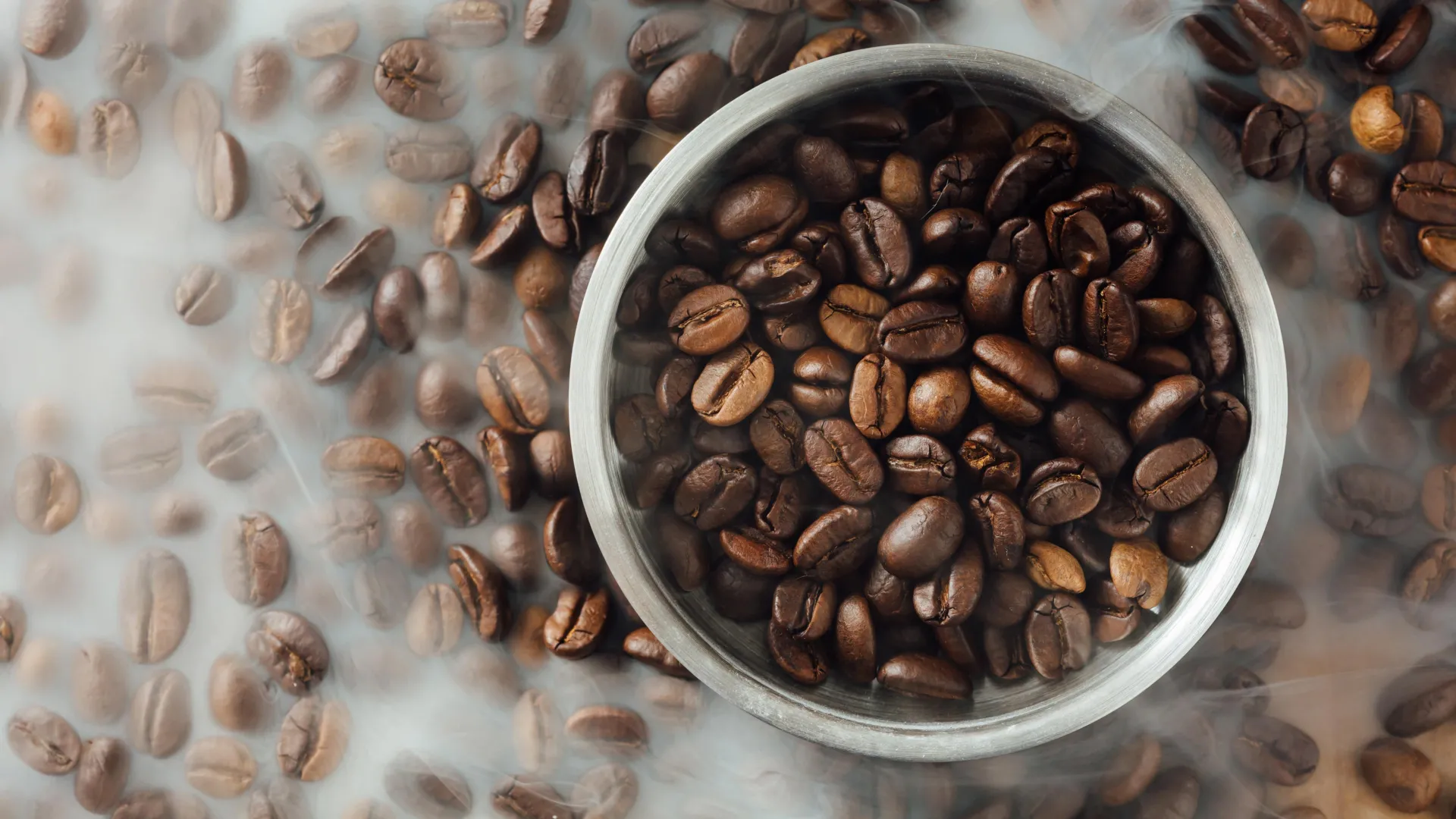
In a remarkable scientific advancement, a team of researchers at the Kunming Institute of Botany, Chinese Academy of Sciences, led by Dr. Minghua Qiu, has unveiled a previously unrecognized anti-diabetic potential within roasted Coffea arabica beans. Their meticulous investigation, detailed in the journal Beverage Plant Research, has led to the isolation and characterization of several novel chemical entities that exhibit a potent capacity to modulate glucose metabolism. Specifically, three newly identified diterpene esters, christened caffaldehydes A, B, and C, have demonstrated a superior ability to inhibit the enzyme alpha-glucosidase, a key player in the digestive breakdown of complex carbohydrates. This discovery not only enriches our understanding of coffee’s intricate biochemistry but also opens promising pathways for the development of new functional food ingredients or nutraceuticals aimed at managing post-prandial blood glucose spikes in individuals with type 2 diabetes.
Alpha-glucosidase is an enzyme located in the brush border of the small intestine. Its primary physiological function is to hydrolyze complex carbohydrates, such as starches and disaccharides, into simpler sugars (monosaccharides) that can then be absorbed into the bloodstream. By slowing down the action of this enzyme, the rate at which glucose enters circulation after a meal can be significantly attenuated. This leads to a more gradual rise in blood sugar, preventing the sharp peaks that are particularly detrimental for individuals with impaired glucose tolerance or type 2 diabetes. Existing pharmaceutical treatments, like acarbose, operate on this very principle, highlighting the clinical relevance of compounds capable of alpha-glucosidase inhibition.
The exploration of such bioactive molecules within food matrices is notoriously complex. Natural food products, especially those that undergo processing like roasting, are chemical cornucopias, brimming with thousands of compounds that often overlap in their spectral characteristics. Traditional methods for isolating and identifying these substances can be labor-intensive, time-consuming, and require large quantities of starting material and solvents. Recognizing these limitations, Dr. Qiu’s team implemented a sophisticated, multi-pronged "activity-focused dereplication strategy" designed for high efficiency and precision, minimizing solvent use while maximizing the detection of both abundant and extremely low-level bioactive components.
Their methodological journey began with the crude diterpene extract from roasted Coffea arabica beans. This extract was subjected to an initial separation process using silica gel chromatography, yielding 19 distinct fractions. Each of these fractions was then individually assessed for its ability to inhibit alpha-glucosidase, providing a preliminary indication of biological activity. Simultaneously, the fractions underwent analysis using 1H Nuclear Magnetic Resonance (NMR) spectroscopy. NMR is a powerful analytical technique that provides detailed information about the structure and quantity of molecules by exploiting the magnetic properties of atomic nuclei. By integrating the 1H NMR data with a cluster heatmap analysis, the researchers were able to pinpoint fractions 9 through 13 as the most biologically active, characterized by unique proton signal patterns indicative of specific chemical structures.
To further elucidate the molecular architecture of the active components, a representative sample from the highly active Fr.9 underwent further spectroscopic examination, specifically using 13C-DEPT NMR. This technique confirmed the presence of an aldehyde group, a crucial functional moiety. The next critical step involved purification. Using semi-preparative High-Performance Liquid Chromatography (HPLC), a technique that separates compounds based on their differential affinities for a stationary phase and a mobile phase, the scientists successfully isolated three previously uncharacterized diterpene esters. These novel compounds were subsequently named caffaldehydes A, B, and C. Their precise chemical structures were unequivocally confirmed through a combination of 1D and 2D NMR spectroscopy, which provides comprehensive structural details, alongside high-resolution electrospray ionization mass spectrometry (HRESIMS), a technique capable of determining the exact molecular weight and elemental composition of compounds.
The pharmacological evaluation of these newly discovered caffaldehydes yielded particularly compelling results. Despite variations in their constituent fatty acid components – caffaldehyde A containing palmitic acid, caffaldehyde B stearic acid, and caffaldehyde C arachidic acid – all three compounds demonstrated remarkable inhibitory effects on alpha-glucosidase. Their half-maximal inhibitory concentration (IC50) values, a standard measure of a compound’s potency in inhibiting a specific biological or biochemical function, were determined to be 45.07 µM, 24.40 µM, and 17.50 µM, respectively. These figures are especially significant when compared to acarbose, a widely prescribed medication for type 2 diabetes, which served as the reference drug in these laboratory tests. The caffaldehydes exhibited superior inhibitory activity, suggesting that they possess a greater intrinsic potency in blocking the enzyme’s function than the conventional pharmaceutical agent.
Beyond these three primary discoveries, the research team pushed the boundaries of their investigation to identify even more elusive trace compounds. Recognizing that some low-abundance substances might evade detection by NMR or HPLC alone, they employed liquid chromatography-tandem mass spectrometry (LC-MS/MS) on combined fraction groups. LC-MS/MS offers exceptional sensitivity and specificity for identifying and quantifying compounds in complex mixtures. The data generated from this analysis was then leveraged to construct a molecular network using computational tools like GNPS (Global Natural Products Social Molecular Networking) and Cytoscape. Molecular networking is a cutting-edge bioinformatics approach that visually organizes complex mass spectrometry data, revealing relationships between structurally similar molecules. This advanced technique proved instrumental in uncovering an additional three previously unreported diterpene esters (designated compounds 4-6). These compounds, while sharing structural similarities and fragment patterns with caffaldehydes A-C, were distinguished by different fatty acid moieties, specifically magaric, octadecenoic, and nonadecanoic acids. Comprehensive database searches further confirmed that these six diterpene esters had never been documented in scientific literature prior to this study.
The successful application of this integrated dereplication strategy underscores its immense potential for natural product discovery. It demonstrates a highly efficient and effective approach to systematically identify structurally diverse and biologically significant compounds from intricate biological matrices, such as roasted coffee. This methodology holds promise for accelerating the discovery of health-benefiting compounds in a wide array of other complex food sources.
The implications of these findings are far-reaching, particularly for the burgeoning market of functional foods and nutraceuticals. The identification of potent alpha-glucosidase inhibitors from a commonly consumed beverage like coffee presents exciting opportunities to formulate new products specifically designed to aid in glycemic control. Such coffee-based functional foods or dietary supplements could offer consumers a natural, palatable option to help manage their blood sugar levels, especially after meals, thereby supporting overall metabolic health and potentially mitigating the progression of type 2 diabetes. This aligns with a growing consumer demand for preventative health solutions derived from natural sources.
However, the journey from laboratory discovery to widespread application is multifaceted and requires rigorous additional research. Future investigations will be critically focused on transitioning these promising in vitro results to in vivo studies. This next phase will involve evaluating the biological effects, efficacy, and, crucially, the safety of these novel diterpenes in living organisms, typically starting with animal models. Researchers will need to determine optimal dosages, assess potential side effects, understand their bioavailability (how well they are absorbed and utilized by the body), and investigate their long-term impact. Should these in vivo studies yield positive outcomes, the path would then lead towards human clinical trials, a necessary step to validate their therapeutic potential and establish their safety and effectiveness for human consumption.
In conclusion, the groundbreaking work by the Kunming Institute of Botany significantly advances our understanding of coffee’s inherent biological properties and its potential role in metabolic health. By identifying and characterizing these novel, potent alpha-glucosidase inhibitors, the research team has not only highlighted coffee as a rich source of bioactive compounds but has also provided a robust methodology for future natural product discovery. This scientific breakthrough offers a beacon of hope for developing innovative, food-derived interventions in the ongoing global effort to combat type 2 diabetes and enhance public health through diet and nutrition.
About the Author