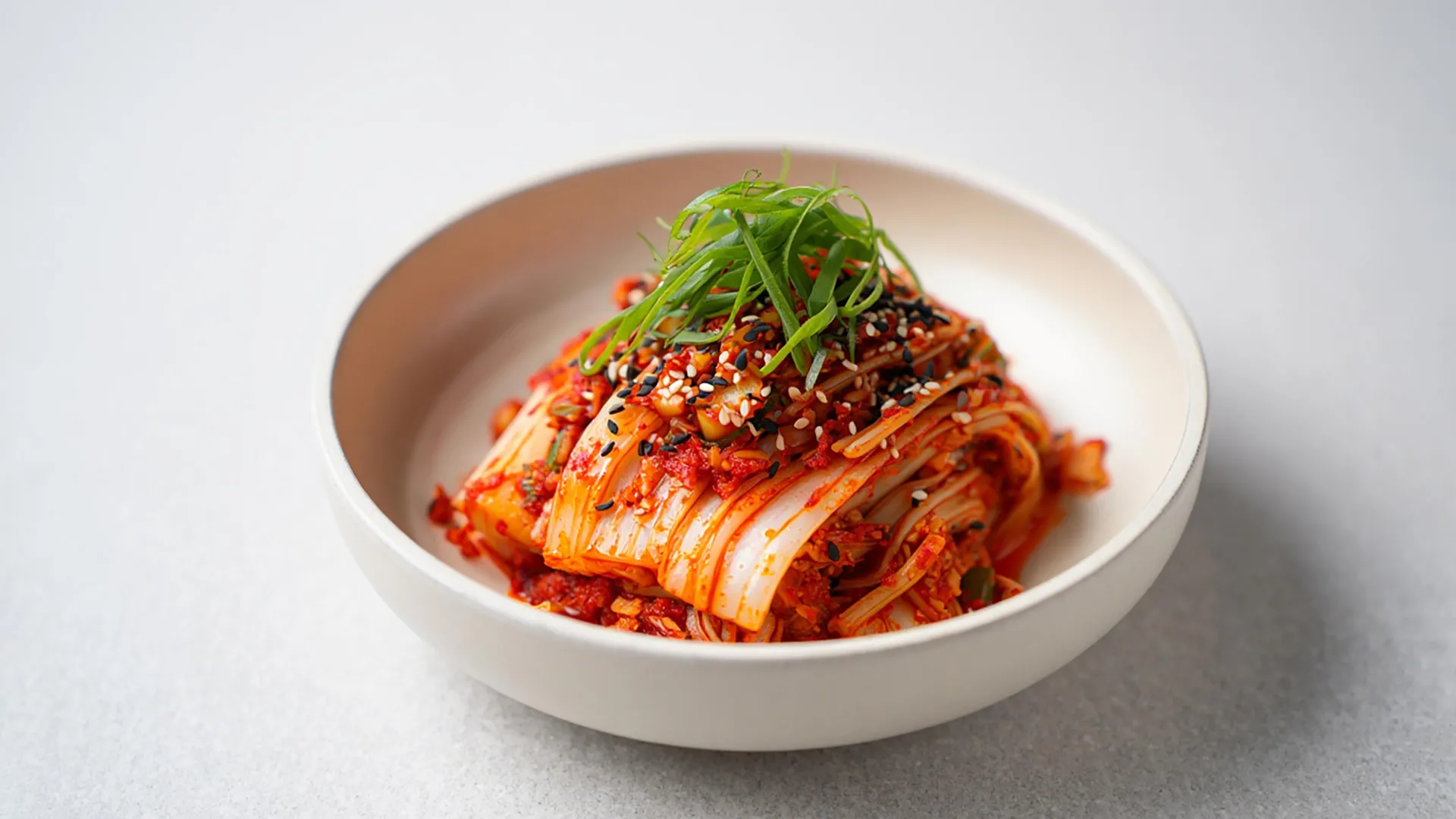
As the cooler months approach, bringing with them an increased prevalence of common respiratory ailments and seasonal influenza, public interest in bolstering the body’s natural defenses has surged. Emerging clinical research now provides compelling scientific validation for the long-observed health-promoting qualities of kimchi, a cornerstone of Korean culinary tradition. This detailed investigation suggests that regular consumption of this fermented staple can significantly enhance the efficacy of immune cells while simultaneously ensuring that the immune system operates in a state of optimal equilibrium. The findings underscore a sophisticated capacity within kimchi to fine-tune immune responses, fostering robust protection without overstimulating the body’s defensive mechanisms.
A pioneering single-cell genetic analysis, conducted by the World Institute of Kimchi, a research entity operating under the auspices of South Korea’s Ministry of Science and ICT, has delved into the intricate molecular pathways through which kimchi influences human immunity. This advanced examination has revealed that kimchi possesses potent immunomodulatory properties, indicating its capability to both temper exaggerated immune reactions and amplify crucial protective functions. This groundbreaking research marks a global first, pinpointing kimchi’s immune-related impacts at the individual cell level. Beyond its implications for immune health, the study also hints at potential synergistic benefits for metabolic well-being.
The meticulously designed clinical trial enrolled a cohort of overweight adult participants, who were systematically allocated into three distinct investigative arms. For a duration spanning twelve weeks, each group received a daily regimen consisting of either a placebo, a standardized kimchi powder derived from naturally fermented kimchi, or a kimchi powder produced through a controlled fermentation process employing a specific starter culture. This multi-pronged approach allowed for a comparative analysis of different kimchi preparations and their respective impacts on immune markers.
Upon the conclusion of the twelve-week intervention period, researchers meticulously collected peripheral blood mononuclear cells (PBMCs) from all participants. These vital immune cells were then subjected to sophisticated single-cell transcriptomics analysis, commonly referred to as scRNA-seq. This cutting-edge technique provides an unprecedented level of detail by enabling researchers to precisely track and quantify the genetic activity within each individual immune cell. This granular level of insight is crucial for discerning subtle, yet significant, shifts in immune function that might elude detection through more conventional analytical methodologies.
The data gleaned from the scRNA-seq analysis unveiled a remarkable pattern among participants who incorporated kimchi into their diets. These individuals exhibited a marked enhancement in the functional activity of antigen-presenting cells (APCs). APCs are critical sentinels of the immune system, playing an indispensable role in identifying and flagging foreign invaders such as bacteria and viruses, thereby initiating a cascade of defensive responses. Furthermore, the study observed a balanced development of CD4+ T cells, a key type of lymphocyte, into both effector cells responsible for direct defense and regulatory cells that help to prevent autoimmune reactions or overzealous immune responses.
These observed outcomes collectively suggest that kimchi’s role in immune modulation extends far beyond a simple activation of the immune system. Instead, it appears to function as a sophisticated biological "regulator," capable of selectively bolstering immune defenses precisely when required, while concurrently acting to inhibit responses that are excessive or unnecessary. This dual-action mechanism highlights a nuanced approach to immune support, promoting resilience without inducing inflammatory states.
Intriguingly, the fermentation method employed in the production of kimchi demonstrated a discernible influence on the magnitude of its immune benefits. While both naturally fermented kimchi and that produced with starter cultures contributed to immune system balance, the starter-culture variant yielded more pronounced effects. Specifically, this method appeared to facilitate more effective antigen recognition by immune cells and a more significant attenuation of superfluous immune signaling pathways. These insights underscore the potential for optimizing the health-promoting attributes of kimchi through advancements in controlled fermentation technologies.
Dr. Woo Jae Lee, the lead researcher from the World Institute of Kimchi, articulated the significance of these findings, stating, "Our research has provided the world’s first empirical evidence that kimchi possesses a dual capacity: simultaneously activating cellular defenses and moderating excessive immune responses." He further elaborated on the institute’s future research agenda, noting, "We are committed to expanding international collaborative studies focusing on kimchi and lactic acid bacteria, with a particular emphasis on their interplay with immune and metabolic health."
This comprehensive study significantly elevates kimchi’s status from a beloved traditional food to a scientifically validated functional food with demonstrable immune-enhancing properties. The researchers anticipate that these findings will pave the way for a diverse range of future applications. These could include the development of novel health-focused food products, the enhancement of vaccine efficacy by priming the immune system, and potentially reducing the incidence or severity of immune-related disorders. The research, published in the esteemed international journal npj Science of Food, which boasts an impact factor of 7.8, further solidifies the scientific credibility and global relevance of these discoveries within the food science community. The implications of this research extend to a broader understanding of how fermented foods can be strategically incorporated into dietary patterns to support overall health and well-being, particularly in an era increasingly concerned with maintaining robust immune function. The study’s detailed methodology and precise findings offer a robust foundation for future investigations into the intricate relationship between diet, the gut microbiome, and immune system regulation.
About the Author