
As individuals advance in years, the intricate defense mechanisms of the human body frequently lose their precise equilibrium, leading to a state often referred to as immunosenescence. This age-associated decline in immune function renders older adults disproportionately vulnerable to a spectrum of severe health challenges, ranging from chronic inflammatory conditions to life-threatening acute infections like sepsis. In a significant leap forward for gerontological research, scientists at the University of Minnesota have unveiled a critical cellular mechanism that elucidates why immune cells become trapped in a persistent pro-inflammatory state as the body ages. This groundbreaking investigation, published recently in the esteemed journal Nature Aging, pinpoints a self-reinforcing feedback loop involving specific immune cells known as macrophages, offering promising new avenues for therapeutic intervention.
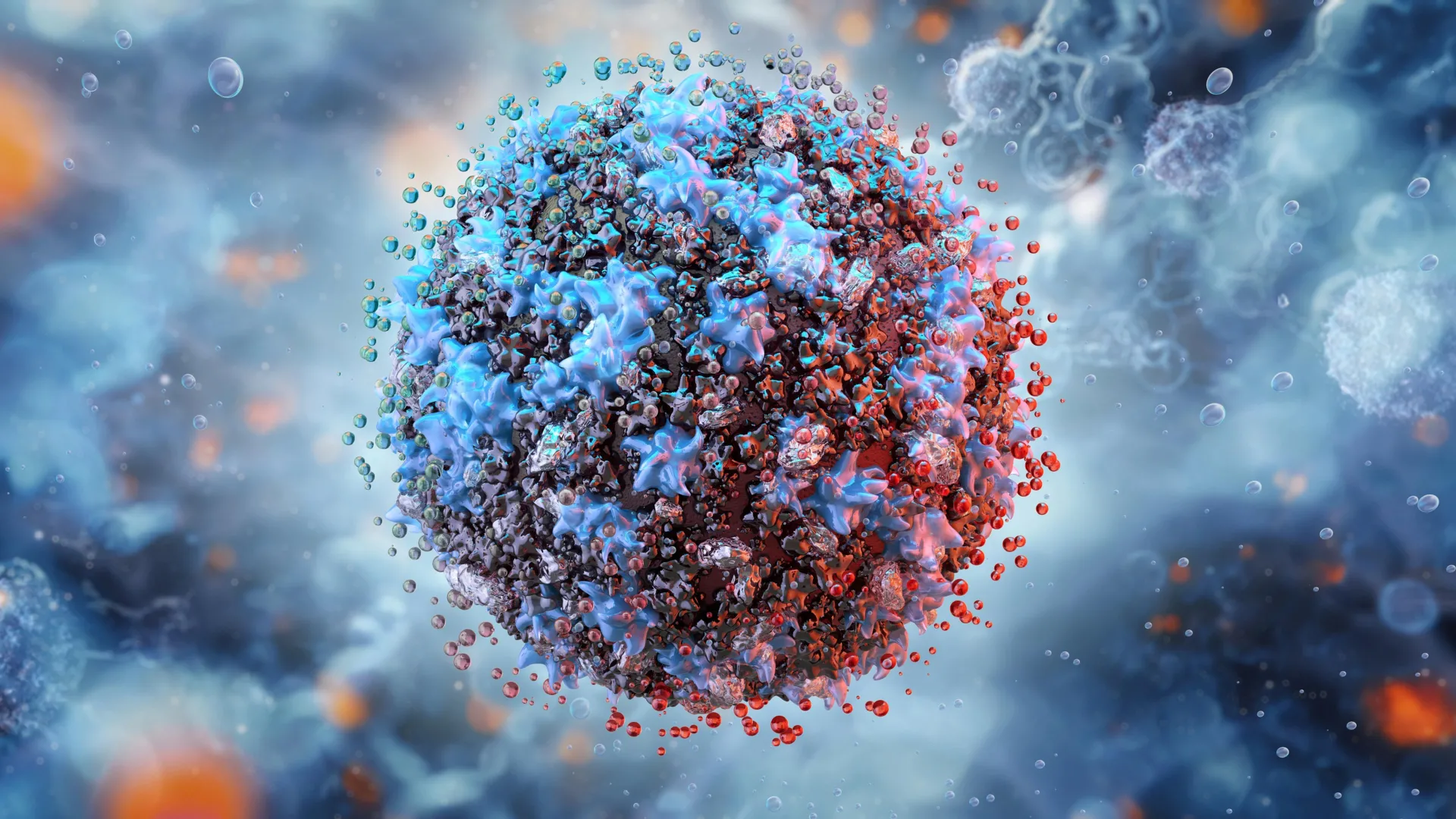
Macrophages, often dubbed the "sentinel cells" of the immune system, are indispensable components of our innate immunity. These versatile white blood cells perform a myriad of vital functions, including engulfing cellular debris and pathogens (phagocytosis), presenting antigens to other immune cells to initiate adaptive responses, and orchestrating tissue repair. However, the Minnesota team’s work reveals a concerning shift in their behavior during aging. Instead of maintaining their protective and regulatory roles, macrophages in preclinical models were observed to become persistently activated, locked into a detrimental inflammatory mode. This dysfunction represents a fundamental breakdown in immune regulation, transforming these once-beneficial cells into contributors to systemic inflammation.
The cornerstone of this discovery lies in the identification of a specific protein, Growth Differentiation Factor 3 (GDF3), which emerges as a central orchestrator of this age-related inflammatory persistence. The researchers found that as macrophages age, they begin to produce GDF3 in increased quantities. What makes this finding particularly compelling is the unique auto-signaling nature of GDF3; rather than acting on distant cells, GDF3 sends signals back to the very same macrophages that produced it. This self-directed communication creates a potent, self-perpetuating feedback loop that continuously reinforces and amplifies the cells’ inflammatory activity.
Delving deeper into the molecular intricacies, the study meticulously mapped out the pathway through which GDF3 exerts its influence. The protein was found to act via the SMAD2/3 signaling cascade, a well-established mechanism involved in cellular growth and differentiation. Crucially, the activation of this pathway by GDF3 in aging macrophages leads to lasting alterations in the cells’ genomic landscape. These modifications are not merely transient changes but represent a form of epigenetic reprogramming, effectively "locking in" a pro-inflammatory gene expression profile. The consequence of this genomic rewiring is a sustained overproduction and release of inflammatory cytokines – small proteins that act as messengers in the immune system – which further exacerbate systemic inflammation throughout the body.
This chronic, low-grade systemic inflammation, often termed "inflammaging," is a hallmark of aging and a major risk factor for numerous age-related diseases, including cardiovascular disease, neurodegenerative disorders, metabolic syndrome, and certain cancers. The GDF3-driven feedback loop provides a concrete molecular explanation for how inflammaging becomes entrenched. More critically, the research highlights how this cellular dysfunction dramatically worsens the body’s response to acute stressors, such as severe bacterial infections. In older individuals, an overzealous and dysregulated inflammatory response to an infection can precipitate sepsis, a life-threatening condition characterized by widespread organ damage and high mortality rates. The findings suggest that the GDF3-SMAD2/3 pathway directly contributes to this amplified and ultimately harmful inflammatory cascade during sepsis in the elderly.
The meticulous investigation was spearheaded by biochemistry graduate student In Hwa Jang, working under the guidance of Dr. Christina Camell, an associate professor jointly affiliated with the University of Minnesota Medical School and College of Biological Sciences. Dr. Camell underscored the significance of their findings, stating, "Macrophages are pivotal to the development of inflammation; in our study, we identified a pathway which is used to maintain their inflammatory status. Our findings suggest that this pathway could be blocked to prevent the amplified inflammation that can be damaging to organ function and may be a promising target for future treatments that reduce harmful inflammation." Her commentary emphasizes the translational potential of this discovery, pointing towards a novel therapeutic target.
To validate their hypothesis, the research team conducted a series of rigorous experiments. In one compelling line of evidence, they employed genetic manipulation techniques to delete the GDF3 gene in preclinical models. The results were striking: the absence of GDF3 significantly mitigated the detrimental inflammatory responses typically observed when these models were exposed to bacterial toxins. This demonstrated a direct causal link between GDF3 and harmful inflammation, reinforcing its role as a key driver.
Further experiments explored the possibility of pharmacological intervention. The scientists administered medications designed to specifically block the GDF3-SMAD2/3 signaling pathway. These interventions proved remarkably effective, altering the behavior of inflammatory macrophages, particularly those residing in fat tissue. Adipose tissue, especially visceral fat, is known to become a significant source of pro-inflammatory cytokines with age, contributing to systemic inflammaging. Crucially, these pharmacological agents not only modulated macrophage behavior but also led to a significant improvement in survival rates among older preclinical models that were challenged with severe infections. This outcome offers compelling proof-of-concept that targeting this pathway could translate into tangible clinical benefits, particularly in mitigating the severity of conditions like sepsis in an aging population.
To bridge the gap between preclinical findings and human physiology, the University of Minnesota team collaborated with Dr. Pamela Lutsey from the School of Public Health and utilized data from the extensive Atherosclerosis Risk in Communities (ARIC) Study. The ARIC study is a long-term epidemiological investigation that has tracked the health outcomes of thousands of middle-aged and older adults across several communities in the United States for decades. Through this collaboration, researchers were able to analyze real-world human data, revealing a significant correlation between elevated GDF3 levels and various inflammatory signaling markers in older adults. This human-level corroboration strongly supports the translational relevance of the preclinical findings, suggesting that the GDF3-SMAD2/3 pathway plays a similar role in age-related inflammation in humans.
The identification of the GDF3-SMAD2/3 pathway as a key regulator of persistent inflammation in aging macrophages opens up exciting new avenues for therapeutic development. The overarching goal is to devise strategies that can precisely target this pathway to dampen harmful inflammation without compromising the beneficial aspects of immune responses. Such interventions could potentially protect vital organ function, improve recovery from severe infections, and enhance the overall healthspan of older adults. The research suggests a shift from broad anti-inflammatory approaches, which can have significant side effects, to more targeted strategies that address the root causes of age-related immune dysfunction.
Building upon these pivotal findings, Dr. Camell recently secured a prestigious 2025 AFAR Discovery Award. This substantial funding will support ongoing and future research aimed at further unraveling the precise molecular components involved in this intricate pathway and clarifying how it specifically controls inflammatory signals. The award will also facilitate deeper investigations into how these inflammatory macrophages, driven by the GDF3 loop, impact multiple metabolic organs and influence overall metabolic healthspan – a measure of the duration of life spent in good metabolic health. Understanding these connections is crucial, as metabolic dysfunction and inflammation are closely intertwined in the aging process.
In conclusion, the University of Minnesota’s pioneering research has uncovered a fundamental mechanism contributing to the chronic inflammation and immune dysfunction characteristic of aging. By identifying GDF3 and its self-reinforcing SMAD2/3 pathway in macrophages, the study offers a robust molecular explanation for why older individuals are more susceptible to severe inflammatory conditions. This discovery not only enhances our understanding of the basic biology of aging but also presents a compelling, novel therapeutic target. The journey from this foundational research to clinical applications will undoubtedly be complex, yet the prospect of developing treatments that can effectively mitigate harmful age-related inflammation and extend healthy living years represents a profound promise for the future of aging medicine.
This pivotal research was made possible through the generous support of several institutions, including grants from the National Institute of Health (F99AG095479, R00AG058800, R01AG069819, R01AG079913), the McKnight Land-Grant Professorship, the Glenn Foundation for Medical Research/AFAR 2025 Discovery Award, the Diana Jacobs Kalman/AFAR Scholarships for Research in the Biology of Aging, and the Medical Discovery Team on the Biology of Aging. The Atherosclerosis Risk in Communities study, a critical component for human data analysis, received funding in whole or in part from Federal funds from the National Heart, Lung, and Blood Institute, National Institutes of Health, Department of Health, and Human Services, under Contract nos. (75N92022D00001, 75N92022D00002, 75N92022D00003, 75N92022D00004, 75N92022D00005). Additionally, SomaLogic Inc. conducted the SomaScan assays in exchange for the use of ARIC data, and this work received further support in part by NIH/NHLBI grant R01 HL134320.
About the Author