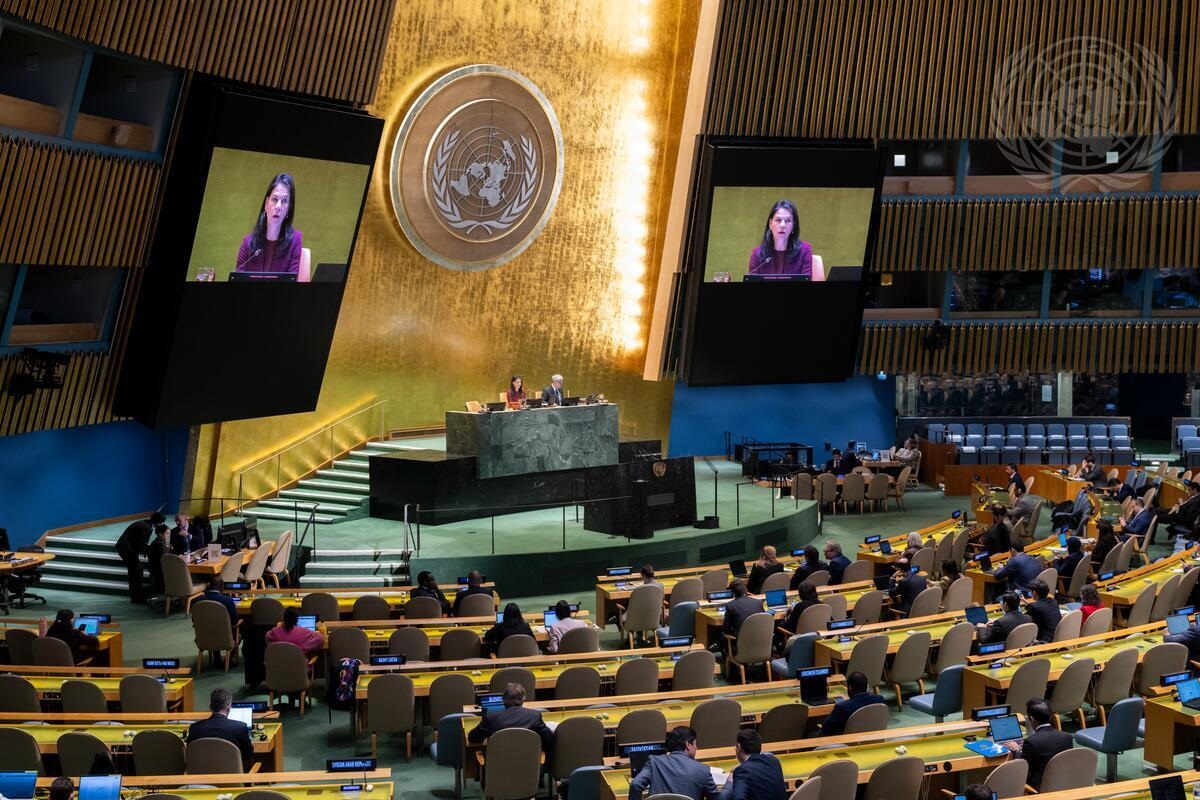
In a pivotal moment for global public health, the Eightieth session of the United Nations General Assembly (UNGA), convening on September 25, 2025, formally adopted a groundbreaking political declaration. This landmark accord signifies an unprecedented, unified commitment from international leaders to address the escalating dual challenges of noncommunicable diseases (NCDs) and mental health conditions through a fully integrated and comprehensive framework. The culmination of extensive intergovernmental negotiations, this declaration heralds a new strategic era, recognizing the profound interconnectedness of physical and psychological well-being as foundational to sustainable development and societal equity worldwide.
Entitled "Equity and integration: transforming lives and livelihoods through leadership and action on noncommunicable diseases and the promotion of mental health and well-being," the document distinguishes itself as the first of its kind to explicitly merge the fight against NCDs with efforts to advance mental health. This integrated approach represents a significant paradigm shift, moving beyond siloed interventions to foster holistic health solutions. Its adoption presents a unique window of opportunity to dramatically accelerate global progress, charting a definitive course towards achieving a series of specific, measurable targets by the year 2030. The implications of this accord are far-reaching, poised to impact populations of all ages and socioeconomic strata across every continent, fundamentally reshaping the global health landscape.
The imperative for such a unified strategy is underscored by the staggering global burden of these conditions. Noncommunicable diseases, encompassing cardiovascular ailments, cancers, diabetes, and chronic respiratory diseases, currently stand as the predominant causes of premature mortality, tragically claiming an estimated 18 million lives annually before the age of 70. Simultaneously, mental health conditions, ranging from depression and anxiety to more severe psychiatric disorders, afflict over a billion individuals worldwide, leading to immense suffering, disability, and reduced quality of life. The pervasive nature of these challenges, which continue to surge across all nations and communities, transcends mere public health concerns, evolving into critical obstacles to national productivity, economic stability, and the overarching achievement of sustainable development goals.
A substantial portion of the burden from NCDs is attributable to a constellation of modifiable risk factors. These include unhealthy dietary patterns, prevalent tobacco use in various forms, excessive alcohol consumption, pervasive physical inactivity, and detrimental exposure to environmental pollutants, notably air pollution. A critical insight emphasized by the declaration is the symbiotic relationship between these physical health determinants and mental well-being; many of the same risk factors that precipitate NCDs also demonstrably impair psychological health, creating a vicious cycle of illness. Recognizing this intricate interplay is central to the declaration’s innovative, integrated methodology.
Building upon and significantly expanding previous international health commitments, this new political declaration introduces a series of ambitious, first-ever global "fast-track" outcome targets slated for achievement by 2030. While the specifics are detailed within the declaration text, these targets broadly aim to substantially reduce premature mortality from NCDs, enhance universal access to essential mental health care services, and significantly curb the prevalence of key behavioral and environmental risk factors. To facilitate the realization of these ambitious outcomes, the declaration also outlines a set of measurable process targets designed to strengthen national health systems by the same deadline. These include commitments to bolster primary healthcare infrastructure, integrate mental health services more seamlessly into NCD prevention and management programs, implement robust regulatory measures concerning unhealthy products, and elevate public health literacy.
Dr. Tedros Adhanom Ghebreyesus, Director-General of the World Health Organization (WHO), lauded the declaration’s adoption, stating, "The establishment of these bold targets for controlling noncommunicable diseases and advancing mental health serves as a powerful testament to Member States’ unwavering dedication to safeguarding the health of their citizens. By working collectively, we possess the capacity to fundamentally alter the trajectory of NCDs and mental health challenges, thereby ensuring health, well-being, and opportunity for everyone." This sentiment encapsulates the collaborative spirit underpinning the declaration and the collective aspiration for a healthier global future.
The scope and ambition of this political declaration are unparalleled, rendering it the most far-reaching and comprehensive international health agreement to date. It meticulously integrates crucial lessons gleaned from recent global health crises, such as the COVID-19 pandemic, which starkly exposed vulnerabilities in health systems and highlighted the disproportionate impact of comorbidities and mental distress. Responding proactively to emerging global challenges, the declaration ventures into previously unaddressed territories, incorporating a sharper regulatory focus on contemporary public health threats. These include the proliferation of e-cigarettes and novel tobacco products, the pervasive marketing of unhealthy food items to children, the imperative for clear front-of-pack nutritional labeling, and the critical need for the global elimination of industrially produced trans fats.
A cornerstone of the declaration’s philosophy is its robust emphasis on equity. It consciously frames its commitments around the principle of social justice, actively incorporating the invaluable expertise and specific needs of individuals living with NCDs and mental health conditions. Furthermore, it explicitly prioritizes populations disproportionately affected by global crises, such as climate-vulnerable communities, residents of Small Island Developing States (SIDS), and those enduring humanitarian emergencies. By amplifying the voices of these vulnerable groups and integrating their perspectives, the declaration aims to foster truly inclusive and responsive health policies.
Acknowledging the prevailing global economic headwinds that often strain national health financing capabilities, the declaration includes significantly stronger language on funding mechanisms compared to its predecessors. It unequivocally urges countries to secure adequate, predictable, and sustained funding streams through a multi-pronged approach. This includes a call for increased domestic financial investment in health, the cultivation of strengthened international partnerships, and the establishment of coordinated multilateral financial frameworks. The declaration implicitly recognizes that investing in health is not merely a social expenditure but a crucial economic accelerator, yielding substantial returns in productivity, social cohesion, and long-term prosperity.
Beyond the traditional confines of healthcare, the political declaration firmly positions the intertwined issues of NCDs and mental health as central pillars for achieving broader sustainable development and upholding social justice. It emphatically underscores that effective solutions necessitate a "whole-of-government" and "whole-of-society" approach. This expansive vision mandates the active engagement of diverse governmental ministries beyond health, alongside civil society organizations, private sector partners, youth groups, persons with disabilities, and crucially, individuals with lived experience of NCDs and mental health conditions. This comprehensive, multi-stakeholder model is designed to ensure that health promotion and disease prevention are embedded across all policy sectors and societal initiatives.
Looking ahead, this declaration does not merely articulate aspirations; it establishes a robust framework for accountability. It meticulously builds upon and reinforces the foundations laid by three preceding UN declarations on NCDs, while simultaneously charting a dynamic new course of action towards a healthier, more equitable, and prosperous future for all. The text explicitly confirms the indispensable need for transparent and effective accountability mechanisms capable of demonstrating and sustaining the declaration’s impact over time. To ensure this, the UN Secretary-General is mandated to report on the progress towards these ambitious targets by 2030, in advance of the subsequent High-Level Meeting on the subject. In parallel, the WHO, in collaboration with other relevant UN agencies, will play a critical supporting role, assisting Member States in translating these historic international commitments into concrete national action, thereby ensuring rigorous accountability from the present moment through 2030 and beyond. This comprehensive approach signifies a collective global resolve to transform health outcomes and secure a future where both physical and mental well-being are universally prioritized and protected.
About the Author