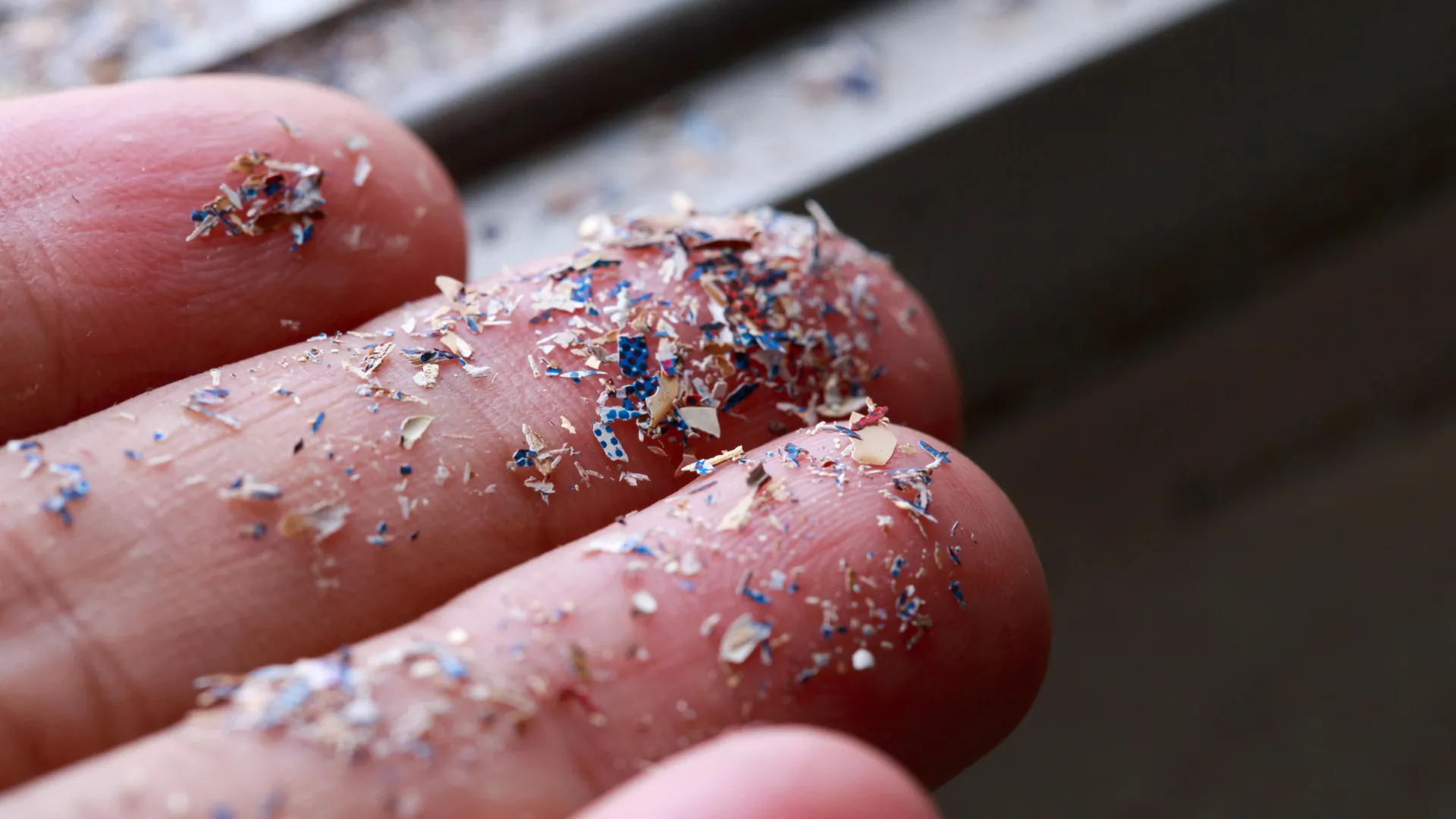
A groundbreaking pilot investigation has revealed the pervasive presence of microscopic plastic particles within the human prostate, with a significant majority of these particles concentrated in cancerous tissue. Researchers at NYU Langone Health, encompassing its Perlmutter Cancer Center and the Center for the Investigation of Environmental Hazards, have presented findings that suggest a potential link between exposure to these ubiquitous environmental contaminants and the development of prostate cancer, a condition that ranks as the most prevalent malignancy among men in the United States, according to the American Cancer Society.
The study meticulously examined prostate tissue samples obtained from ten male patients undergoing surgical removal of the prostate gland. The analysis uncovered plastic fragments in an astonishing 90% of the cancerous tumor samples. Furthermore, the investigation revealed a statistically significant disparity in the quantity of these microplastic pollutants: tumor tissue harbored, on average, approximately 2.5 times the concentration of plastic particles when compared to adjacent, non-cancerous prostate tissue. Specifically, cancerous samples contained about 40 micrograms of plastic per gram of tissue, whereas healthy tissue averaged around 16 micrograms per gram. This observation is particularly compelling, as it indicates not just the presence of microplastics but a potential preferential accumulation within malignant growths.
The infiltration of microplastics into the human body is a complex and multifaceted issue. These minute fragments, originating from the degradation of larger plastic items commonly found in food packaging, personal care products, and a myriad of everyday consumer goods, can enter our systems through various pathways. Processes such as heating, physical wear, and chemical breakdown facilitate the fragmentation of plastics into particles often invisible to the naked eye. Once released into the environment, these particles can be ingested through contaminated food and water, inhaled via polluted air, or absorbed through dermal contact. Previous scientific endeavors have already established the widespread distribution of microplastics throughout the human body, with detections reported in virtually every organ, various bodily fluids, and even the placenta, underscoring the profound extent of environmental plastic contamination. However, the precise mechanisms by which these particles exert their influence on human health remain an active area of scientific inquiry.
The implications of these findings are substantial, offering critical preliminary evidence that microplastic exposure might serve as a contributing factor to prostate cancer risk. Dr. Stacy Loeb, the lead author of the study and a professor within NYU Grossman School of Medicine’s Departments of Urology and Population Health, highlighted that while earlier research had posited theoretical connections between microplastics and conditions such as cardiovascular disease and cognitive decline, direct empirical data linking them specifically to prostate cancer had been notably scarce. The study’s results, slated for presentation at the American Society of Clinical Oncology’s Genitourinary Cancers Symposium, represent a pioneering effort in the Western scientific community to quantify microplastic levels within prostate tumors and conduct a direct comparative analysis against non-cancerous prostate tissue.
Undertaking such an analysis demanded an exceptional level of rigor to circumvent potential contamination, a significant challenge given the pervasive use of plastics in medical and laboratory environments. The research team implemented a series of stringent protocols to ensure the integrity of their findings. Initially, the tissue samples underwent visual inspection to identify potential plastic particles. Subsequently, advanced analytical instrumentation was employed to precisely measure the quantity, characterize the chemical composition, and determine the structural properties of the identified microplastic fragments. The researchers focused their analysis on twelve of the most commonly encountered plastic molecules. To mitigate the risk of external contamination, standard plastic laboratory equipment was systematically replaced with instruments fabricated from non-plastic materials, including aluminum and cotton. All analytical procedures were conducted within specialized cleanroom environments meticulously designed to exclude airborne contaminants and uphold the highest standards of microplastic analysis.
The potential biological mechanisms by which microplastics could contribute to cancer development are a subject of ongoing investigation. One prominent hypothesis posits that these foreign particles may elicit a chronic inflammatory response within the prostate tissue. Sustained inflammation, a complex biological reaction involving the immune system, can, over time, lead to cellular damage and accumulate genetic mutations. Such cellular alterations are recognized as critical precursors to the initiation and progression of cancerous growths. Dr. Vittorio Albergamo, the study’s senior author and an assistant professor in the NYU Grossman School of Medicine’s Department of Pediatrics, emphasized that the current study, while providing significant insights, involved a relatively small cohort of patients. Therefore, he stressed the imperative for larger-scale studies to corroborate these initial findings and solidify the observed associations.
The broader implications of this research extend to public health policy and environmental regulation. The findings underscore the pressing need for enhanced regulatory measures aimed at curbing widespread public exposure to plastic substances that permeate nearly every facet of our environment. The ubiquity of plastics necessitates a concerted effort to reduce their production, consumption, and subsequent environmental release.
For context, prostate cancer represents a significant public health concern. According to data from the Centers for Disease Control and Prevention, approximately one in eight men in the United States will receive a diagnosis of prostate cancer over the course of their lifetime. This statistic highlights the importance of any research that seeks to identify potential risk factors and protective strategies.
The financial support for this critical research was provided by the U.S. Department of Defense, underscoring the recognition of environmental health as a national security concern. The multidisciplinary NYU Langone team involved in this pioneering work included Leonardo Trasande, MD, MPP; Trevor Johnson, PhD; Fang-Ming Deng, MD, PhD; Mark Strong, DO; David Wise, MD, PhD; José Alemán, MD, PhD; Zixuan Mo, BS; Mariana Rangel Camacho, BS; Nataliya Byrne, BA; Tatiana Sanchez Nolasco, MPH; Adrian Rivera, MPH; William Huang, MD; Herbert Lepor, MD; Wei Phin Tan, MD; and James Wysock, MD. Additional contributions were made by Samir Taneja, MD, from Northwell Health in New York City.
It is standard practice for research publications to declare any potential conflicts of interest. In this instance, Dr. Loeb has engaged in consulting activities with Astellas, a pharmaceutical company, and Savor Health, a digital health company, as well as the men’s health organization Movember. She has also received research funding from Endo USA Inc. and has participated in advisory boards for Endo USA, Blue Earth Diagnostics, Pfizer, Sumitomo Pharma, and Doceree. Dr. Wysock has consulted for medical equipment manufacturers Edap — Focal One and URO-1 Medical. Dr. Wise serves as a paid consultant for Pfizer, Bayer, K36, OncoC4, AstraZeneca, and Janssen Pharmaceuticals, and has acted as an expert witness for Exxon Mobil. The article clarifies that none of these professional affiliations or activities are directly related to the current study on microplastics and prostate cancer. NYU Langone Health maintains robust policies and procedures to manage these relationships, ensuring transparency and adherence to ethical guidelines.
About the Author