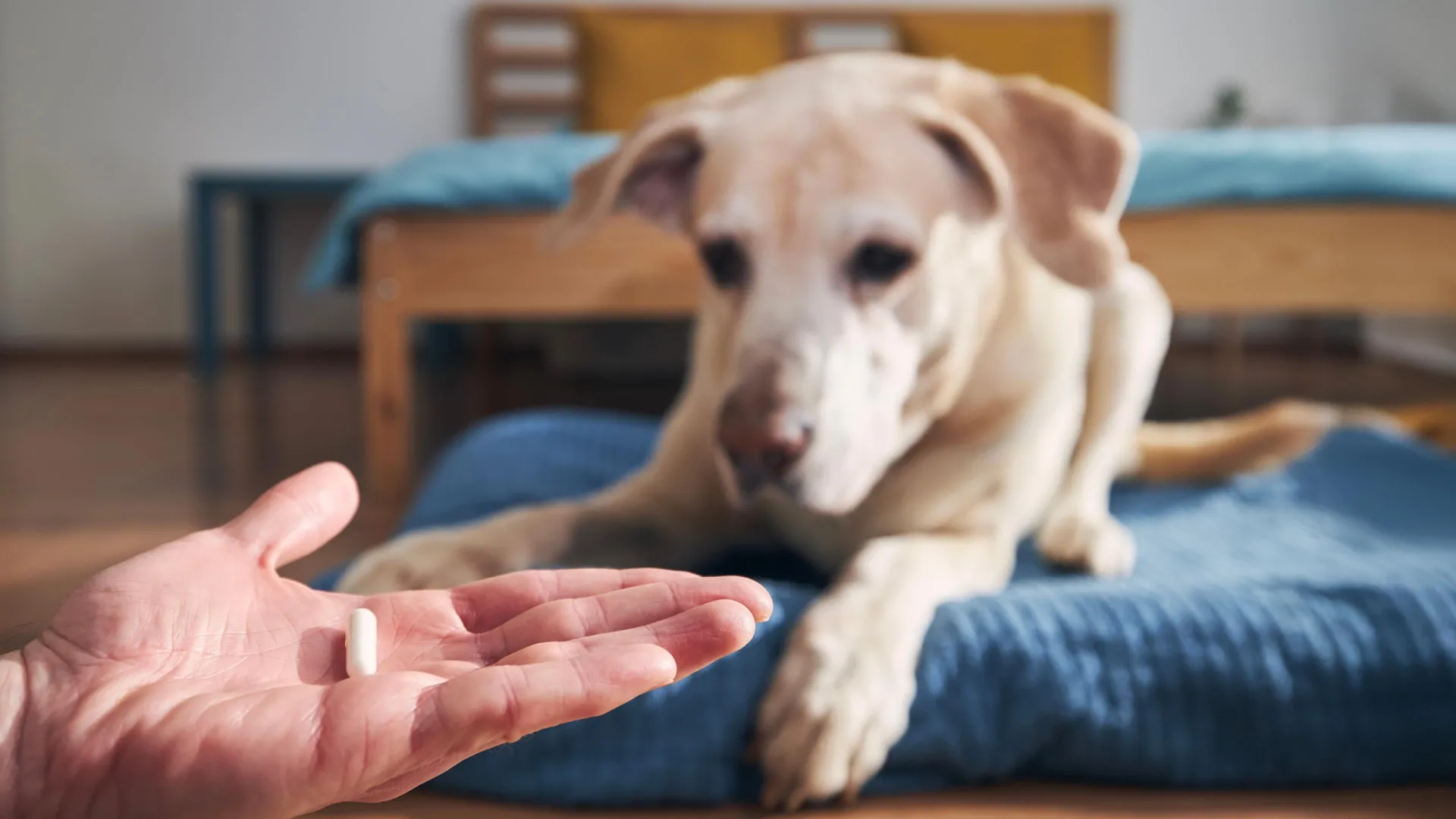
A groundbreaking investigation, detailed in a recent publication by Environmental Toxicology and Chemistry, has illuminated a potential environmental hazard stemming from widely administered flea and tick control products for domestic animals, suggesting a significant threat to insect populations in natural habitats. The research, originating from the scientific community, posits that common antiparasitic agents, designed for the well-being of our canine and feline companions, may inadvertently inflict harm upon beneficial invertebrates.
The class of compounds under examination, known as isoxazolines, represents a relatively novel development in veterinary medicine, having emerged onto the market around 2013. These oral medications rapidly ascended to prominence due to their efficacy in providing prolonged protection against fleas and ticks, often extending for a full month or more. The mechanism by which these drugs function involves their passage through the animal’s system, with active components subsequently being expelled from the body via excretory functions.
Concerns regarding the broader environmental impact of these pharmaceuticals have been previously articulated by regulatory bodies such as the European Medicines Agency. These advisories have highlighted the possibility of these substances infiltrating ecological systems, though the precise quantification of their environmental presence has remained somewhat elusive. The central apprehension revolves around the unintended consequences these veterinary interventions might have on organisms that are not the direct targets of the antiparasitic action.
Isoxazolines are specifically engineered to target and neutralize fleas and ticks. However, as treated animals excrete these drugs, the active ingredients can become dispersed into the environment, potentially exposing a diverse array of insects. Scientific inquiry indicates that pets can serve as vectors for these chemical compounds, introducing them into the soil and wider ecosystems through their feces, urine, and even shed fur. A particular focus of concern lies with insect species that subsist on dung, including various flies, the ecologically vital dung beetles, and certain species of butterflies. These invertebrates perform indispensable functions within ecosystems, such as the decomposition of organic waste, the cyclical replenishment of soil nutrients, and the natural regulation of pest populations. When these crucial insects ingest feces containing residual drug compounds, they are susceptible to adverse effects.
In an effort to meticulously assess this potential ecological risk, a team of French researchers undertook a comprehensive study. Their methodology involved closely observing a cohort of forty pets – twenty dogs and twenty cats – belonging to veterinary students. Over a three-month span, these animals were administered isoxazoline-based treatments. Throughout this period, the scientific team systematically collected fecal samples from the animals. The objective was to precisely quantify the residual presence of the active pharmaceutical ingredients and to establish an estimated level of exposure that insects dependent on dung might encounter.
The analytical phase of the research concentrated on understanding the pharmacokinetic profile of these medications, specifically how they are metabolized and eliminated in the waste products of pets. The findings were particularly noteworthy: even after the stipulated duration of the treatment regimens had concluded, scientists were able to detect the presence of two of the four active chemical agents commonly formulated in isoxazoline products within the collected fecal matter. This persistence of active compounds underscores the prolonged potential for environmental dissemination.
Based on the empirical data gathered from this focused study, an environmental risk assessment was conducted. This evaluation strongly suggests that insects that feed on dung could experience significant exposure levels to isoxazoline compounds as a direct consequence of the routine application of these flea and tick treatments to domestic animals. The researchers have issued a stark warning: such sustained exposure could significantly disrupt fundamental ecological processes. The implications could be far-reaching, potentially leading to profound and detrimental alterations in the intricate lifecycles and overall health of natural environments. This research therefore calls for a more thorough understanding and potentially revised strategies for managing pet parasite control to safeguard broader ecological integrity.
About the Author