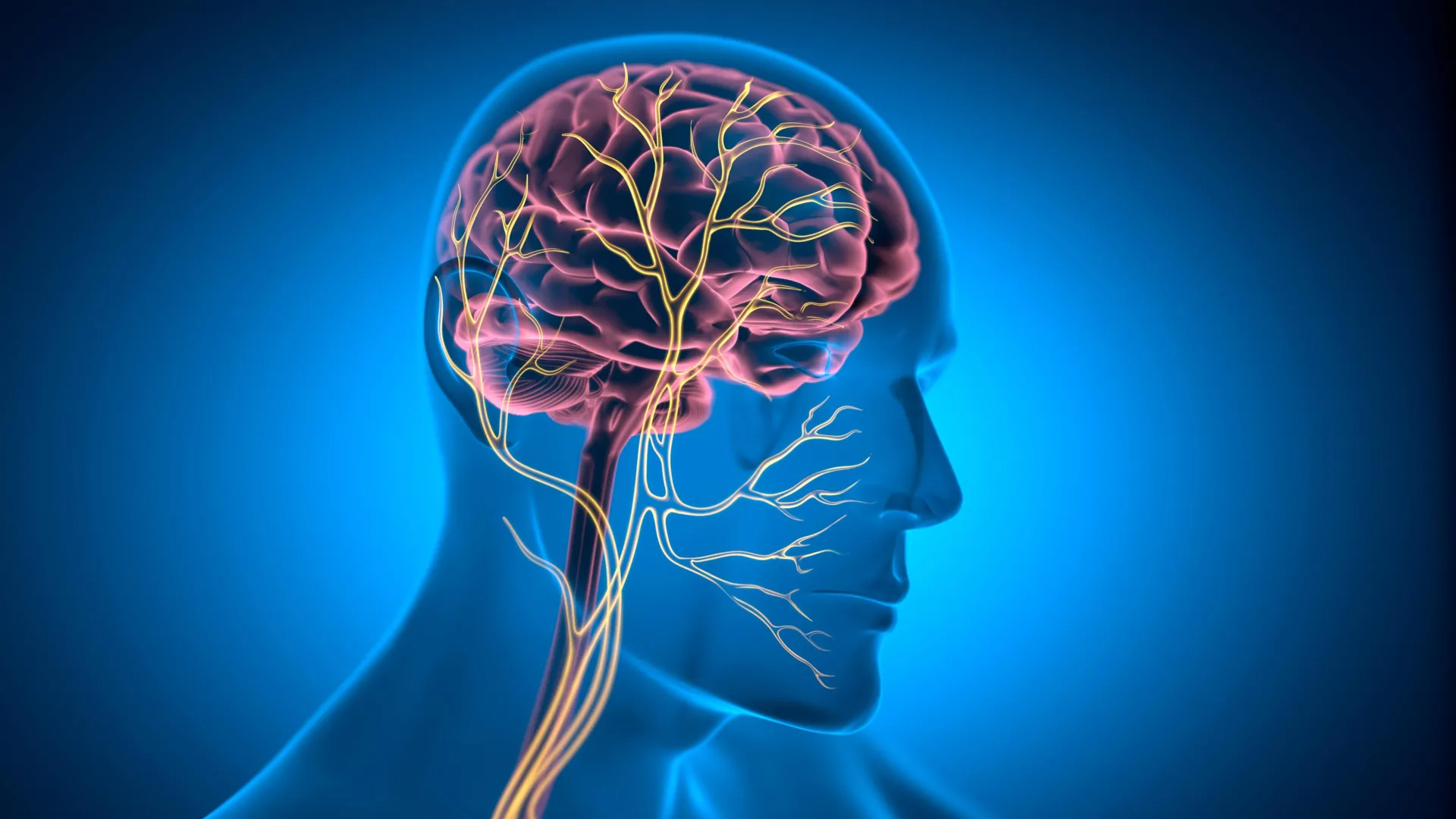
Groundbreaking scientific inquiry, spearheaded by researchers at the Sant’Anna School of Advanced Studies in Pisa, has illuminated a profound connection between the vagus nerve and the sustained vitality of the human heart, suggesting that this often-overlooked cranial nerve may hold a key to preserving cardiac youthfulness. A comprehensive study, meticulously detailed in the esteemed journal Science Translational Medicine, reveals that the maintenance of bilateral vagal nerve connections to the heart plays a significant role in decelerating the physiological aging processes of this vital organ. The investigation particularly emphasized the critical contribution of the right cardiac vagus nerve, underscoring its indispensable function in safeguarding myocardial cells and promoting enduring cardiovascular health, irrespective of fluctuations in heart rate.
This pioneering research was the culmination of an intensive interdisciplinary collaboration, skillfully integrating the realms of experimental medicine with sophisticated bioengineering techniques applied to cardiovascular science. The project was orchestrated by the Translational Critical Care Unit (TrancriLab), a component of the Interdisciplinary Research Center Health Science, operating under the esteemed leadership of Professor Vincenzo Lionetti. A crucial element of this endeavor was the innovative contribution from the Biorobotics Institute, under the guidance of Professor Silvestro Micera, which was instrumental in developing a novel bioabsorbable nerve conduit designed to facilitate the regenerative process of the vagus nerve.
The entirety of the experimental investigations was conducted within the advanced facilities in Pisa, benefiting from substantial financial backing provided by the European FET (Future and Emerging Technologies) program, specifically through the NeuHeart project. Additional financial support was also garnered from PNRR funds, administered by the Tuscany Health Ecosystem, underscoring a multi-faceted investment in this critical research. The study’s success was further amplified by the establishment of an extensive collaborative network, drawing together leading academic and research institutions from across Italy and internationally. This distinguished consortium included the Scuola Normale Superiore, the University of Pisa, the Fondazione Toscana G. Monasterio, the Institute of Clinical Physiology of the CNR (National Research Council), the University of Udine, GVM Care & Research, Al-Farabi Kazakh National University, the Leibniz Institute on Ageing in Jena, and the École Polytechnique Fédérale de Lausanne.
The implications of a compromised vagus nerve connection to the heart are substantial, as evidenced by the study’s findings. Professor Lionetti articulated that "the accelerated aging of the heart directly correlates with the degradation of the vagus nerve’s structural integrity and its connection to the cardiac muscle." This loss of connection initiates a cascade of detrimental effects, leading to a more rapid decline in cardiac function and resilience.
Intriguingly, the research team discovered that a complete restoration of nerve function is not a prerequisite for observing beneficial outcomes. Anar Dushpanova, a cardiologist affiliated with TrancriLab, elaborated on this point, stating, "Even a partial recovery of the connection between the right vagus nerve and the heart proves adequate in mitigating the pathological mechanisms of cardiac remodeling and in preserving the heart’s effective contractile capabilities." This suggests that even limited nerve regeneration can exert a significant protective influence.
The transformative potential of bioengineering was central to unlocking these profound discoveries. Eugenio Redolfi Riva, a co-author of the patent for the neuroprosthetic device developed at the Biorobotics Institute, explained the technical breakthrough: "We have engineered an implantable conduit composed of bioabsorbable materials, specifically conceived to encourage and direct the spontaneous regrowth of the thoracic vagus nerve towards the cardiac region." This innovative conduit acts as a scaffold, guiding nerve fibers and promoting their re-establishment of functional connections.
The broader implications of these findings extend significantly into the future of cardiothoracic surgery and organ transplantation. Professor Lionetti concluded by highlighting the paradigm-shifting possibilities: "Collectively, these discoveries pave the way for novel approaches in cardiothoracic and transplant surgery. The prospect of restoring cardiac vagal innervation during surgical procedures presents an innovative strategy for the long-term protection of the heart. This approach has the potential to fundamentally alter clinical practice, shifting the focus from managing the late-stage complications associated with premature cardiac aging to actively preventing these issues from arising in the first place." This proactive intervention could revolutionize how we approach cardiovascular health in the context of surgery, aiming for enduring cardiac well-being rather than merely addressing existing damage. The vagus nerve’s intricate role in maintaining cardiac youthfulness, as revealed by this study, offers a compelling new avenue for research and therapeutic development, promising a future where hearts remain healthier for longer. The complex interplay between the nervous system and the cardiovascular system continues to be a fertile ground for scientific exploration, with the vagus nerve now firmly established as a critical player in the intricate dance of cardiac health and longevity. Future research will undoubtedly build upon these foundational insights, exploring the precise molecular mechanisms by which the vagus nerve exerts its cardioprotective effects and further refining bioengineering solutions for nerve regeneration.
About the Author