
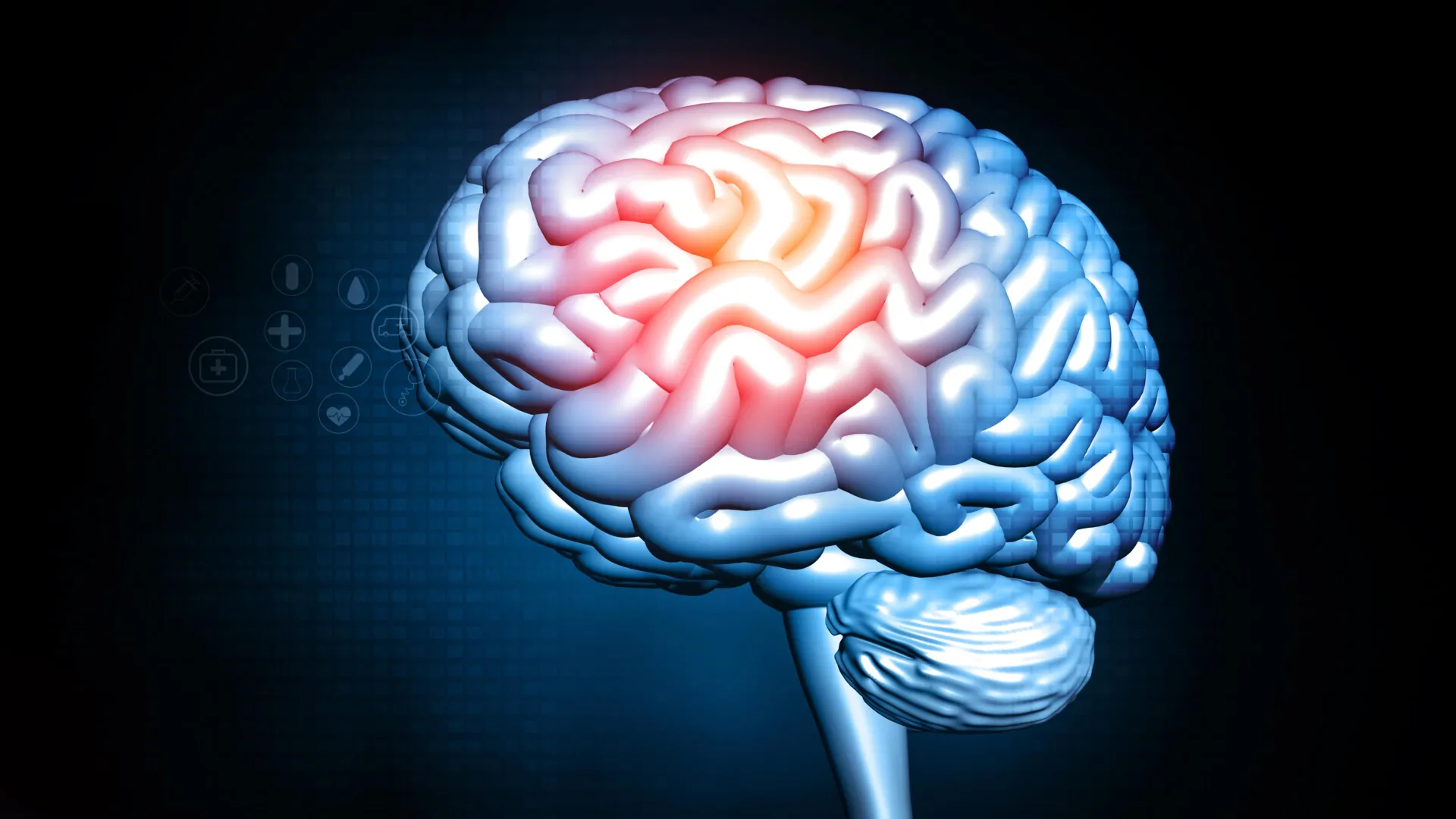
Tryptophan, an amino acid frequently associated with promoting sleep, plays a far more extensive and fundamental role in biological processes, particularly within the intricate architecture of the brain. This essential building block serves as a precursor for the synthesis of vital proteins, is integral to the generation of cellular energy currency in the form of NAD+, and is critical for the creation of key neurotransmitters, including serotonin and melatonin. These interconnected biochemical pathways are fundamental to maintaining emotional equilibrium, facilitating cognitive functions like learning, and ensuring the regular rhythm of sleep-wake cycles.
However, the efficiency and balance of these tryptophan-dependent systems are not immutable; they are susceptible to decline with advancing age and can be significantly compromised by the progression of neurological disorders. A consistent observation in scientific research has been the disruption of tryptophan metabolism within aging brains, with these deviations becoming even more pronounced in individuals afflicted by neurodegenerative conditions and psychiatric ailments. Such metabolic shifts are demonstrably linked to a deterioration in mood regulation, impairments in learning capabilities, and the disruption of normal sleep architecture. Despite these recurring observations, the precise molecular mechanisms that initiate and drive this redirection of tryptophan processing in the brain have remained an enigma until recently.
A groundbreaking investigation spearheaded by Professor Debra Toiber and her dedicated research cohort at Ben-Gurion University of the Negev has illuminated a definitive biological explanation for this metabolic perturbation. Their findings pinpoint the diminishing presence of a protein known as Sirtuin 6 (SIRT6), a molecule implicated in cellular longevity and repair, as the principal orchestrator of this critical metabolic imbalance. This discovery offers a crucial piece of the puzzle in understanding how brain chemistry can veer from a restorative path towards one that promotes detrimental effects.
Through a series of meticulously designed experiments employing cellular cultures, the fruit fly model Drosophila, and mammalian mouse models, the research team established the active role of SIRT6 in the precise regulation of gene expression. Specifically, SIRT6 exerts control over genes such as TDO2 and AANAT, which are pivotal in directing tryptophan down different metabolic pathways. The study demonstrated that a reduction in SIRT6 levels leads to a loss of this regulatory oversight. Consequently, tryptophan is increasingly shunted towards the kynurenic acid pathway, a metabolic route that generates compounds with neurotoxic potential. Concurrently, the production of neuroprotective neurotransmitters like serotonin and melatonin experiences a significant decline, exacerbating the detrimental effects on brain function.
The profound implications of these discoveries were recently disseminated to the scientific community through publication in the prestigious journal Nature Communications. This scholarly work not only identifies the culprit but also offers a glimmer of hope by suggesting that the damage wrought by this metabolic shift may not be irreversible. In experiments involving a genetically modified fly model engineered to lack SIRT6, researchers were able to mitigate the negative consequences by pharmacologically inhibiting the TDO2 enzyme. This intervention resulted in a marked improvement in motor deficits, a common symptom in neurodegenerative models, and a reduction in the formation of vacuoles, which are microscopic indicators of neuronal damage. These compelling results strongly suggest that a viable therapeutic window exists for interventions aimed at rectifying this tryptophan pathway imbalance.
Professor Toiber articulated the significance of their findings, stating, "Our research positions SIRT6 as a critical, upstream drug target for combating neurodegenerative pathology." This statement underscores the potential of SIRT6 modulation as a novel therapeutic strategy to address a range of debilitating neurological conditions. By targeting this upstream regulator, future treatments could potentially restore the balance of tryptophan metabolism and thereby alleviate or even reverse the progression of neurodegeneration.
The comprehensive study involved a multidisciplinary team of researchers, including Shai Kaluski-Kopatch, Daniel Stein, Alfredo Garcia Venzor, Ana Margarida Ferreira Campos, Melanie Planque, Bareket Goldstein, Estefanía De Allende-Becerra, Dmitrii Smirnov, Adam Zaretsky, Dr. Ekaterina Eremenko — Sgibnev, Miguel Portillo, Monica Einav, Alena Bruce Krejci, Uri Abdu, Ekaterina Khrameeva, Daniel Gitler, and Sarah-Maria Fendt. Their collective expertise was instrumental in unraveling the complex molecular mechanisms at play.
This pioneering research received substantial financial backing from several esteemed organizations, underscoring its scientific merit and potential impact. Funding was provided by the European Research Council (ERC) under the European Union’s Horizon 2020 research and innovation program (grant agreement No 849029), the David and Inez Myers Foundation, and the Israeli Ministry of Science and Technology (MOST). Additional support came from the High-tech, Bio-tech, and Negev fellowships of the Kreitman School of Advanced Research at Ben-Gurion University, as well as The Israel Science Foundation (Grant no. 422/23). Furthermore, the critical RNA-seq data analysis component of the study was supported by the Russian Science Foundation (grant number 25-71-20017), facilitating a deeper understanding of the gene expression changes involved. The synergistic effort of these funding bodies was essential in bringing this complex and vital research to fruition.
About the Author