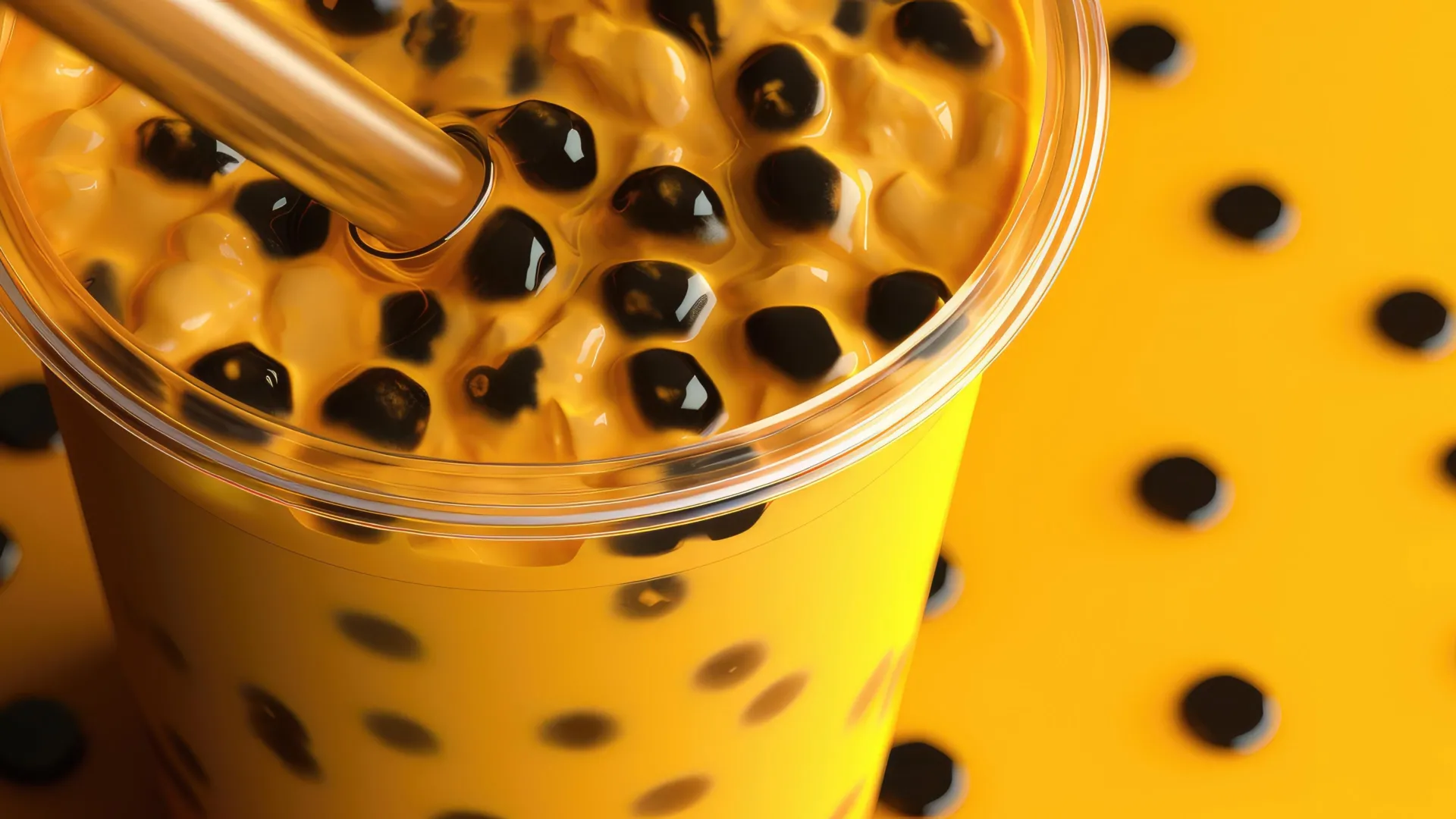
The vibrant appeal of bubble tea, a Taiwanese concoction blending sweetened tea with chewy tapioca pearls, has rapidly transformed it into a global phenomenon, establishing a ubiquitous presence in urban centers worldwide, much like traditional coffee establishments. Since its inception in the 1980s, this visually striking and endlessly customizable beverage has captivated diverse demographics, particularly younger generations drawn to its novelty and photogenic qualities. However, beneath its sweet and playful exterior, an accumulating body of scientific inquiry and clinical observations is beginning to cast a scrutinizing light on potential health ramifications, prompting a deeper public conversation about the implications of its widespread and frequent consumption. This evolving discourse signals a need to critically assess whether this popular indulgence carries risks that warrant greater consumer awareness and perhaps, a shift in consumption patterns.
Among the most pressing and immediate concerns surrounding bubble tea is the inherent choking hazard posed by its signature tapioca pearls. These small, dense, and often slippery spheres, made from cassava starch, present a unique challenge, particularly when consumed rapidly through the wide straws characteristic of bubble tea culture. Pediatricians have consistently issued warnings regarding the danger these pearls pose to younger children, whose swallowing reflexes are not fully developed and who may not adequately chew the chewy items. The risk, however, extends beyond childhood. Tragic incidents underscore this peril, such as the widely reported case in Singapore where a 19-year-old woman succumbed after inhaling pearls while attempting to drink from a partially obstructed straw. In other instances, timely interventions by bystanders employing techniques like the Heimlich maneuver have narrowly averted similar fatalities. These events serve as stark reminders that the physical characteristics of tapioca pearls, combined with the method of consumption, create a significant and potentially life-threatening aspiration risk for individuals across all age groups, necessitating caution and responsible drinking practices.
Beyond acute physical dangers, a more insidious threat identified in some bubble tea products involves the presence of heavy metals, specifically lead. Investigations conducted by organizations like Consumer Reports have uncovered elevated lead levels in certain bubble tea samples available in the United States. This finding is particularly concerning given that tapioca pearls are derived from cassava, a root crop recognized for its capacity to absorb heavy metals, including lead, directly from the soil during its growth cycle. Once absorbed, these contaminants can persist through processing, ultimately making their way into the final food product. Lead exposure is a serious public health concern, as it is a neurotoxin with no safe level of exposure, especially detrimental to children’s developing brains and nervous systems, where it can impair cognitive function and behavioral development. For adults, chronic exposure can contribute to kidney damage, hypertension, and reproductive issues. The discovery of lead in bubble tea products highlights broader challenges within global food supply chains, emphasizing the critical need for stringent testing and regulatory oversight to ensure consumer safety from environmental contaminants that can accumulate in staple ingredients.
The unique composition of tapioca pearls also presents challenges to the digestive system. Being notably dense and starchy, consuming these pearls in significant quantities can impede the normal rate at which the stomach empties its contents into the small intestine, a condition medically termed gastroparesis. Symptoms associated with delayed gastric emptying include persistent nausea, episodes of vomiting, and uncomfortable abdominal pain. In more extreme, albeit rare, scenarios, the accumulation of these undigested pearls can lead to a complete physical blockage within the gastrointestinal tract, potentially requiring urgent medical intervention. Individuals with pre-existing digestive conditions, such as naturally sluggish digestion or compromised gut motility, may experience exacerbated and more severe symptoms. Furthermore, guar gum, a common thickening agent frequently incorporated into bubble tea formulations, while generally considered safe in small doses, has been implicated in contributing to constipation when consumed regularly and in larger amounts, further complicating digestive health for frequent drinkers.
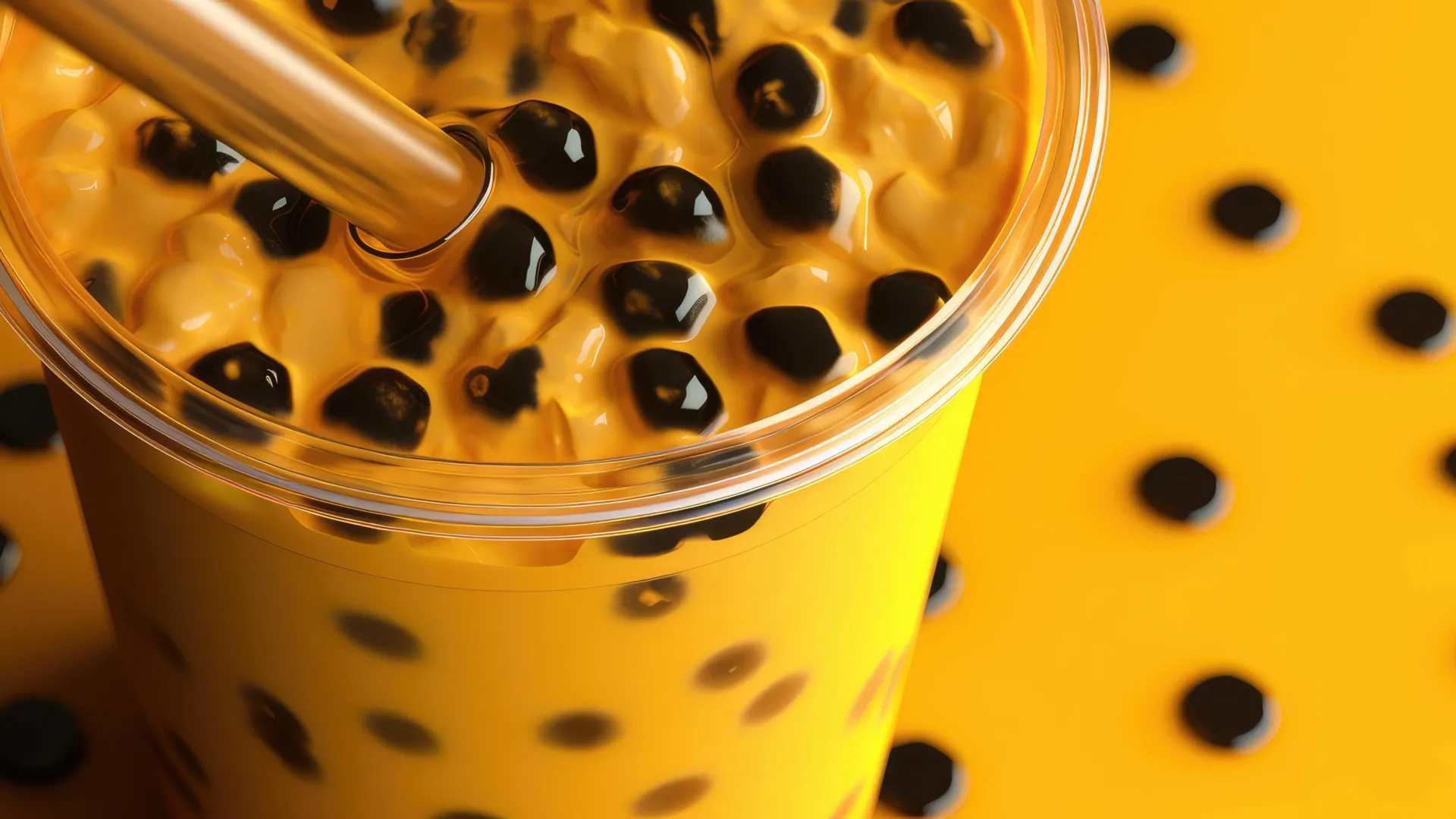
A major health concern arising from regular bubble tea consumption is its exceptionally high sugar content. A single serving of bubble tea frequently contains between 20 and 50 grams of sugar, a quantity that often equals or surpasses the sugar found in a standard can of Coca-Cola, which typically has around 35 grams. This excessive sugar intake carries a multitude of adverse health consequences. For dental health, consistent exposure to such high sugar levels dramatically increases the risk of developing cavities, particularly in permanent teeth, as evidenced by studies indicating that children who regularly consume bubble tea are significantly more prone to dental decay. Beyond oral health, public health experts in regions like California have identified the drink as a contributing factor to the escalating rates of obesity among young people. The synergistic effect of high sugar and fat content found in many bubble tea variations significantly elevates the likelihood of developing serious metabolic conditions over time, including insulin resistance, type 2 diabetes, and metabolic syndrome. Moreover, chronic, high sugar intake promotes the storage of fat in the liver, increasing the risk of non-alcoholic fatty liver disease (NAFLD), a condition that mirrors the effects of excessive alcohol consumption on the liver. A critical aspect of this issue is the widespread lack of awareness among many teenagers and young adults regarding the substantial nutritional and caloric load these seemingly innocuous beverages carry.
Kidney health also emerges as an area of concern for habitual bubble tea drinkers. Certain ingredients present in the beverage, notably oxalate and high levels of phosphate, are known to contribute to the formation of kidney stones. These compounds can precipitate and crystallize in the urinary tract when present in concentrated amounts, particularly when insufficient fluid intake prevents proper dilution and flushing. A notable case from Taiwan in 2023 highlighted this risk, where surgeons removed over 300 kidney stones from a 20-year-old woman who reportedly had substituted water with bubble tea as her primary fluid source. While this instance likely represents an extreme level of consumption and poor hydration practices, it underscores the potential for dietary choices to significantly impact renal health. The balance of fluids and specific mineral intake is crucial for preventing kidney stone formation, and reliance on sugary, oxalate- and phosphate-rich beverages instead of plain water can disrupt this delicate equilibrium.
Perhaps one of the more unexpected avenues of emerging research links frequent bubble tea consumption to potential mental health impacts. Studies conducted on children in China who regularly consume bubble tea have indicated a higher prevalence of anxiety and depression symptoms. Similar associations have been observed in adult populations, with research involving Chinese nurses reporting connections between consistent bubble tea intake and increased rates of anxiety, depression, chronic fatigue, and professional burnout, alongside a general reduction in overall well-being. Intriguingly, the same study noted that individuals who consumed less bubble tea reported fewer thoughts of suicide, even when other influencing factors were taken into account. While these findings suggest a compelling correlation, establishing a direct causal link remains a complex scientific challenge, requiring further rigorous investigation into the underlying biological and psychological mechanisms. Nevertheless, these preliminary observations underscore the importance of considering dietary habits, including the consumption of highly processed, sugary beverages, within the broader context of holistic mental health.
An unusual, yet diagnostically significant, phenomenon observed by medical professionals involves the appearance of tapioca pearls on imaging scans of patients hospitalized for entirely unrelated conditions. Physicians treating individuals admitted for emergencies such as car crash injuries or appendicitis have occasionally detected clusters of these pearls within the stomach and intestines during diagnostic imaging procedures. Because tapioca pearls possess a density greater than surrounding soft tissues and can resemble small, solid objects, they can inadvertently mimic the appearance of gallstones or kidney stones on X-rays or CT scans. This unexpected presentation can complicate the diagnostic process, potentially leading to misinterpretations, delaying the correct diagnosis for the primary ailment, or prompting unnecessary further investigations. This peculiar observation underscores the impact of dietary choices on clinical presentations and highlights the importance for patients to provide comprehensive dietary histories to their healthcare providers, even when reporting on seemingly unrelated medical issues.
In conclusion, while bubble tea undoubtedly offers a popular and enjoyable treat for many, the accumulating evidence suggests that it warrants consideration as an occasional indulgence rather than a daily dietary staple. The spectrum of potential health concerns, ranging from immediate physical hazards like choking to long-term systemic risks such as heavy metal exposure, digestive complications, metabolic disorders, and even emerging links to mental health, necessitates a more informed approach to its consumption. Consumers can mitigate some risks by making conscious choices, such as opting for lower sugar versions, reducing the frequency of consumption, and being mindful of the choking hazard by sipping directly from the cup rather than relying solely on wide straws, particularly for children. Ultimately, a balanced perspective that acknowledges the enjoyment of bubble tea while integrating an awareness of its nutritional and health implications is crucial for fostering healthier dietary habits within a global landscape increasingly dominated by convenient and appealing, yet potentially problematic, food and beverage options.
About the Author