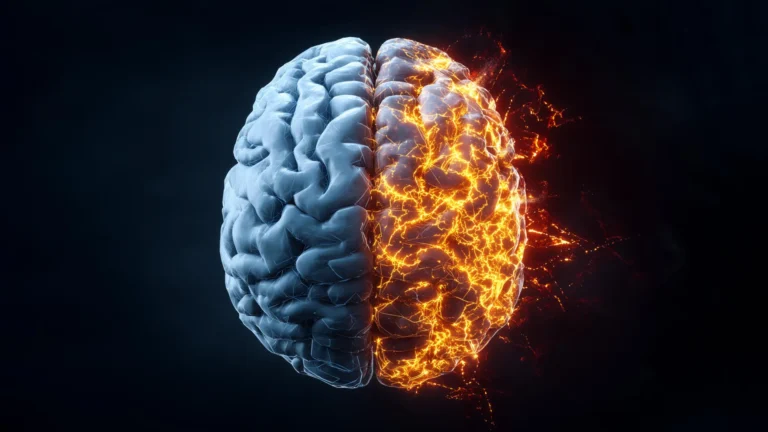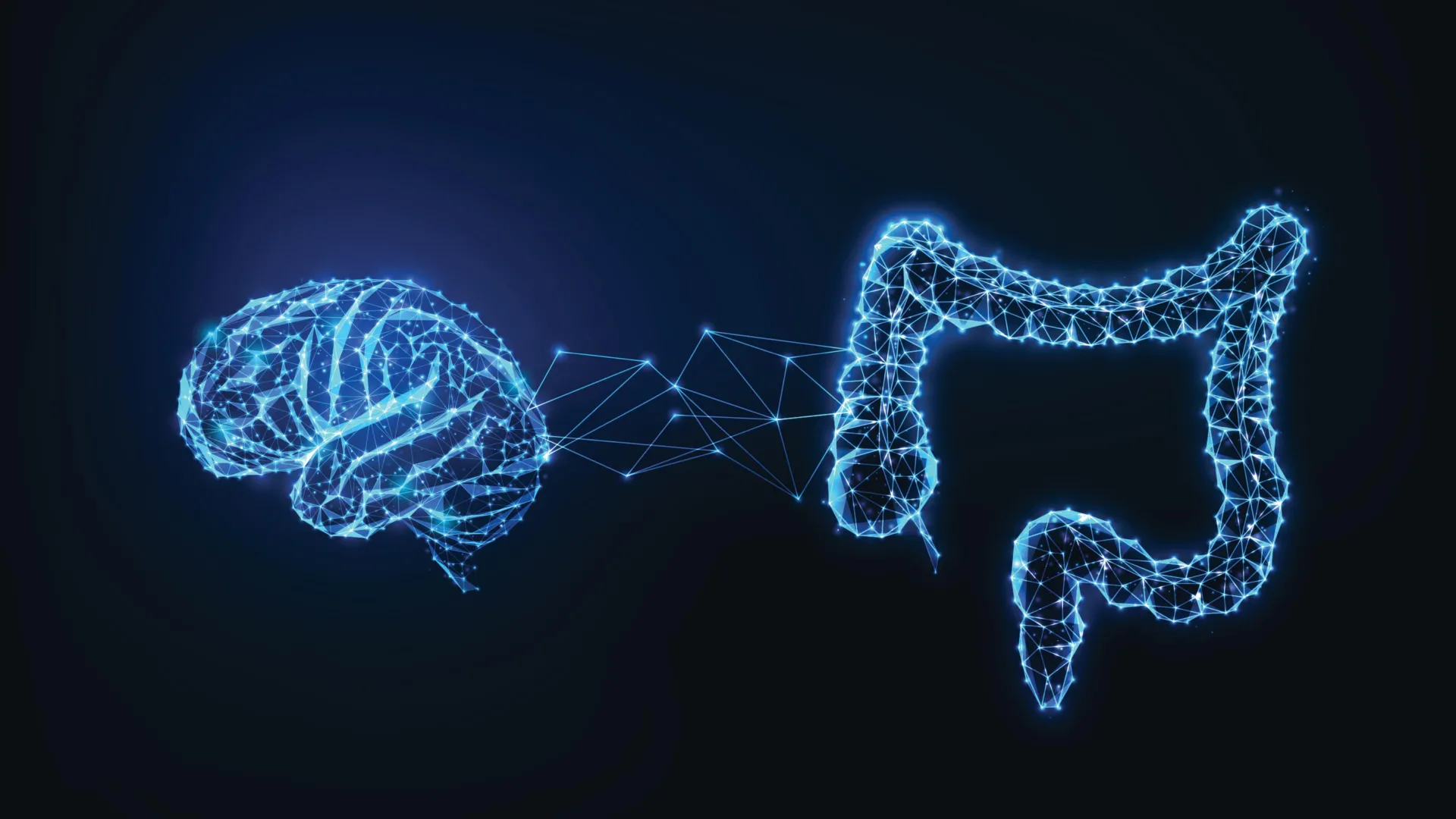
A groundbreaking study has unveiled compelling experimental evidence suggesting that the intricate community of microorganisms residing in the gut plays a pivotal role in sculpting the evolutionary trajectory and functional intricacies of primate brains, including our own. For generations, scientists have marveled at the disproportionately large brain size of humans relative to our body mass, a characteristic unique among primates. Yet, the immense energetic requirements and complex developmental pathways supporting these sophisticated organs have remained a subject of profound scientific inquiry. This latest research, conducted by a team at Northwestern University, offers a crucial piece of the puzzle, providing the first direct empirical demonstration of how the gut microbiome can directly influence brain development and function across primate species.
The implications of this research extend far beyond a simple biological curiosity, touching upon fundamental questions about human evolution, neurological health, and the very definition of what makes a primate brain distinct. The study builds upon prior investigations from the same research group, which had previously established that gut microbes derived from primates possessing larger brains exhibited a greater capacity to generate metabolic energy when introduced into laboratory mice. This enhanced energy production is critically important, as the brain is an exceptionally energy-intensive organ, demanding a constant and substantial supply of fuel for its complex operations, from basic survival functions to higher-order cognitive processes. However, the earlier work primarily focused on the metabolic output of the microbes themselves. The current investigation aimed to delve deeper, examining whether the gut microbes from primates with varying relative brain sizes could actively alter the functional characteristics of the host animal’s brain.
To rigorously test this hypothesis, the researchers orchestrated a meticulously controlled experimental design. They established germ-free mice, meaning these animals were raised in a sterile environment and consequently lacked any native gut microbes. Into these receptive hosts, they systematically introduced carefully curated microbial communities sourced from three distinct primate species. Two of these species, humans and squirrel monkeys, are characterized by their relatively large brain sizes. The third species, the macaque, was chosen for its comparatively smaller brain size. This deliberate selection allowed the scientists to create a clear comparative framework, isolating the impact of primate-derived microbiomes on the host mouse brain.
Following an eight-week period of colonization and adaptation, the researchers meticulously analyzed the brain activity of the mice. The results were striking and statistically significant. Mice that had been inoculated with gut microbes originating from small-brained primates exhibited discernible and distinct patterns of brain function when contrasted with their counterparts that received microbes from large-brained primate donors. This divergence in brain activity provided the first direct evidence that the microbial inhabitants of the gut were not merely passive passengers but active agents capable of modulating host brain physiology in a species-specific manner.
A deeper dive into the cellular and molecular mechanisms revealed even more profound insights. In the brains of mice colonized with microbes from large-brained primates, the scientists observed a marked upregulation in the expression of genes associated with two critical neurological processes: energy production and synaptic plasticity. Synaptic plasticity, often referred to as the brain’s ability to learn and adapt, is fundamental to cognitive function, memory formation, and behavioral flexibility. Conversely, these same gene pathways were notably less active in the brains of mice that had received microbes from smaller-brained primates. This finding suggests that the gut microbiome influences the brain’s capacity for energy utilization and its inherent adaptability.
Perhaps one of the most astonishing discoveries emerged when the researchers compared their findings from the experimental mice with existing genomic data from actual macaque and human brains. To their considerable surprise, many of the gene expression patterns observed in the mice’s brains mirrored those found in the brains of the primates from which the microbes were originally derived. This remarkable congruence suggests that the gut microbiome can, in essence, impart characteristics of the donor primate’s brain onto the recipient mouse brain, effectively "mimicking" aspects of primate neurobiology. This observation provides a powerful experimental model for understanding how microbial influences might have shaped brain evolution over vast timescales.
Beyond these evolutionary implications, the study uncovered an unexpected and potentially significant link to neurodevelopmental conditions. The gene expression patterns detected in the brains of mice that received microbes from smaller-brained primates bore striking resemblances to patterns associated with several well-documented neurological and psychiatric disorders. These included Attention Deficit Hyperactivity Disorder (ADHD), schizophrenia, bipolar disorder, and autism spectrum disorder. While previous epidemiological and correlational studies have suggested an association between alterations in gut microbiome composition and the prevalence of conditions like autism, direct causal evidence has remained elusive.
The current research, however, moves beyond correlation to suggest a potential causal role for the gut microbiome in shaping brain development during critical early life stages. "This study provides more evidence that microbes may causally contribute to these disorders," stated Dr. Katie Amato, the principal investigator of the study and an associate professor of biological anthropology. "Specifically, the gut microbiome is shaping brain function during development." This leads to a compelling speculation: if the developing human brain is exposed to an imbalanced or "wrong" microbial environment, its developmental trajectory could be altered, potentially manifesting as symptoms characteristic of these disorders. Conversely, early-life exposure to the "right" complement of human microbes might be essential for establishing typical brain function and mitigating the risk of developing such conditions.
The implications of these findings are far-reaching, offering new perspectives on the origins of various psychological disorders and advocating for an evolutionary framework when examining brain development. Dr. Amato suggests that understanding brain development, both within individual species and across the evolutionary spectrum, could benefit from investigating cross-species differences in microbial-brain interactions. The goal would be to identify fundamental rules governing how microbes influence the brain, with the ultimate aim of translating these insights into a better understanding of human neurodevelopment. This research, published in the prestigious journal Proceedings of the National Academy of Sciences of the United States of America under the title "Primate gut microbiota induce evolutionarily salient changes in mouse neurodevelopment," marks a significant advancement in our understanding of the complex interplay between the gut microbiome and brain health.
About the Author