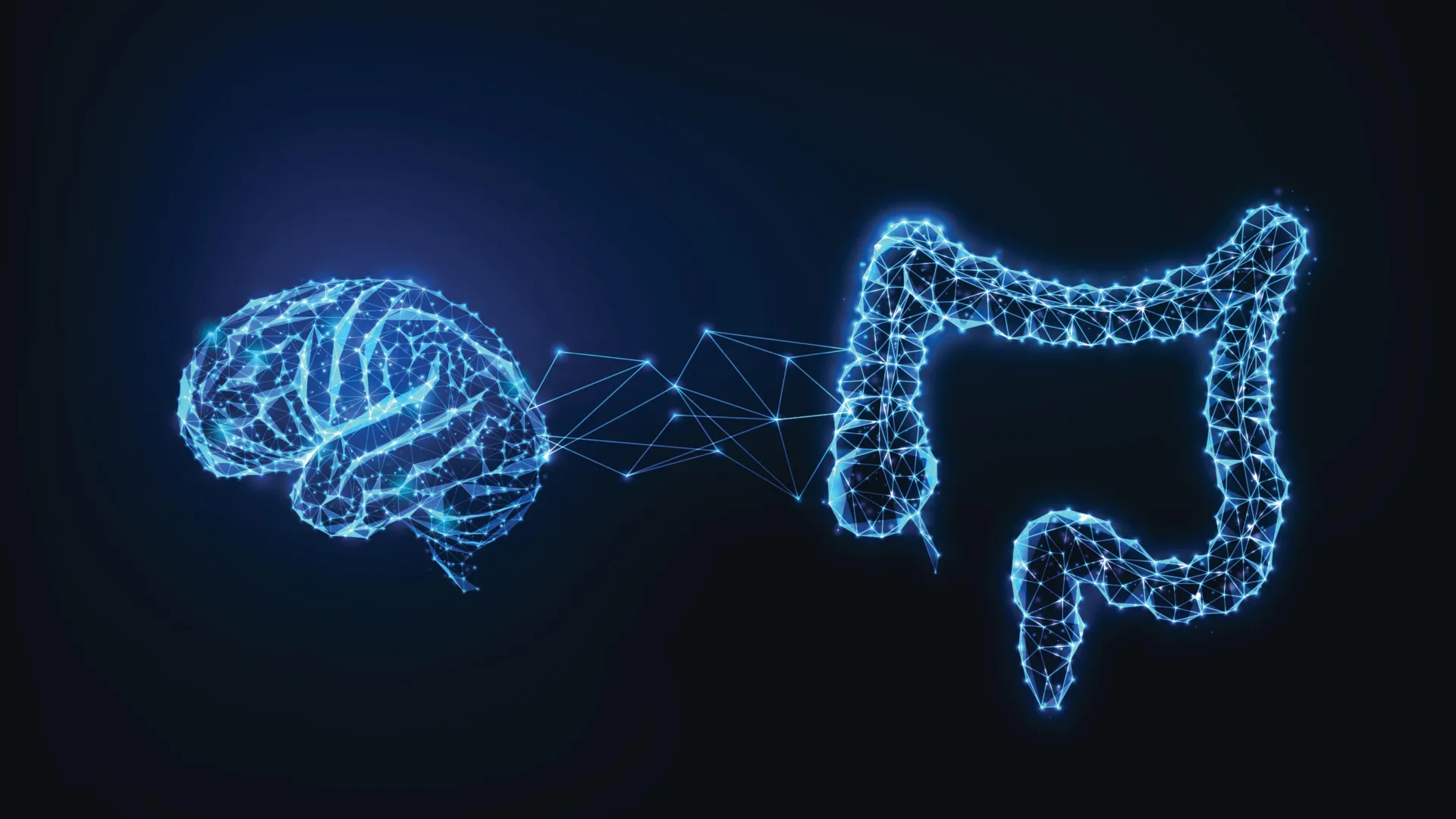
A groundbreaking investigation by Northwestern University researchers has provided the first definitive experimental proof that the intricate community of microorganisms residing within the digestive tract plays a pivotal role in shaping the distinct brain characteristics observed across primate species, shedding new light on the evolutionary trajectory of intelligence. This pivotal research uncovers a direct causal link between the gut’s microbial inhabitants and the operational mechanics of the brain, challenging prior assumptions about the primary drivers of cognitive divergence.
For eons, humanity has marveled at the disproportionately large size of the human brain relative to our body mass, a remarkable evolutionary feat unmatched by any other primate. Yet, the precise biological mechanisms and energetic considerations that enabled the development and sustained function of such a metabolically demanding organ have remained largely elusive. This new study delves into this enduring scientific enigma, proposing that the microscopic ecosystem within our intestines may hold a key to understanding not only primate brain evolution but also the very foundation of human cognitive prowess.
The foundation of this latest research rests upon prior discoveries from the same laboratory, which had previously demonstrated that gut microbes originating from primate species boasting larger relative brain sizes yielded a greater metabolic output when introduced into laboratory mice. This increased energy production is of paramount importance, given the brain’s insatiable appetite for fuel, essential for its complex development and continuous operation. However, the earlier work primarily focused on the metabolic output of the microbes themselves.
The current investigation ambitiously extends these findings by scrutinizing the host organism’s brain directly, seeking to ascertain whether the transplantation of gut microbes from primates with varying relative cranial capacities could precipitate tangible alterations in brain activity and function within recipient mice. This experimental design aimed to establish a direct cause-and-effect relationship, moving beyond correlational observations.
To meticulously address this question, a highly controlled laboratory experiment was meticulously designed and executed. The researchers introduced germ-free mice, devoid of any native microbial communities, to gut microbes sourced from three distinct primate groups: two species characterized by larger relative brain sizes (humans and squirrel monkeys) and one species with a comparatively smaller brain size (macaques). This deliberate inoculation allowed for the observation of how these foreign microbial ecosystems would interact with and influence the developing brains of the mice.
Following an eight-week observation period, the scientific team meticulously analyzed the brain activity of the recipient mice. The results were striking and statistically significant: mice that had been colonized by the gut microbes of small-brained primates exhibited distinct and identifiable patterns of brain function when contrasted with their counterparts that received microbes from large-brained primate donors. This divergence in brain activity patterns served as the first tangible evidence of the microbiome’s direct impact on neural operational architecture.
Further in-depth analysis revealed profound changes at the genetic and molecular levels within the brains of these experimental subjects. In the mice inoculated with microbes from large-brained primate species, researchers identified elevated gene expression levels in pathways directly associated with energy metabolism and synaptic plasticity. Synaptic plasticity, a fundamental process underpinning learning and memory, allows neural connections to strengthen or weaken over time in response to activity. Conversely, these crucial learning and adaptation pathways demonstrated significantly reduced activity in mice that had received microbes from smaller-brained primates.
A particularly astonishing revelation emerged when the researchers cross-referenced their findings from the mouse brains with existing gene expression data from actual macaque and human brains. To their immense surprise, a substantial number of the gene expression patterns observed in the experimental mice mirrored those found in the brains of the primates from which the microbes were originally sourced. This remarkable congruence suggests that the gut microbiome acts as a potent modulator, capable of imprinting its donor species’ neural expression profiles onto the recipient brain, effectively making the mouse brain’s functioning resemble that of the original primate.
Beyond the implications for brain development and evolutionary divergence, the study uncovered an unexpected and potentially concerning link to neurodevelopmental conditions. The mice that received gut microbes from smaller-brained primates displayed gene expression patterns that bore a striking resemblance to those associated with conditions such as Attention Deficit Hyperactivity Disorder (ADHD), schizophrenia, bipolar disorder, and autism spectrum disorder.
While previous epidemiological and observational studies have hinted at correlations between alterations in gut microbiome composition and the prevalence of disorders like autism, concrete experimental evidence demonstrating a causal contribution from gut microbes has been notably scarce. This new research provides compelling direct evidence, suggesting that the gut microbiome may not merely be a bystander but an active participant in the etiology of these complex neurological and psychiatric conditions.
"This study offers more robust evidence that microbes may causally contribute to these disorders," explained Dr. Katie Amato, the lead investigator and an associate professor of biological anthropology at Northwestern University. "Specifically, the gut microbiome appears to be shaping brain function during the critical developmental period." She further elaborated, positing that if the developing human brain is exposed to an imbalanced or "incorrect" microbial environment, its developmental trajectory could be significantly altered, potentially leading to the manifestation of symptoms characteristic of these disorders. The inverse is also implied: early exposure to a beneficial and "correct" microbial milieu may be crucial for ensuring typical brain development and preventing the emergence of such conditions.
The implications of these findings extend far beyond academic curiosity, carrying significant weight for both clinical practice and our understanding of human evolution. Dr. Amato believes that this research could revolutionize our approach to understanding the origins of certain psychological disorders, offering a novel perspective that integrates microbial influence into the equation of brain development. Viewing brain development through an evolutionary lens, informed by microbial interactions, could unlock new therapeutic avenues.
The researchers envision future studies that could explore whether generalizable "rules" govern the interactions between microbes and the brain across diverse species and developmental stages. By examining cross-sectional, cross-species differences in these patterns, scientists may be able to identify fundamental principles of microbial-brain communication that can then be translated into practical applications for human neurodevelopment. The potential to uncover universal laws governing this intricate symbiosis opens up exciting possibilities for preventative medicine and targeted interventions.
This pivotal research, meticulously detailed in a study titled "Primate gut microbiota induce evolutionarily salient changes in mouse neurodevelopment," has been formally published in the esteemed journal Proceedings of the National Academy of Sciences of the United States of America, signifying its rigorous peer review and significant contribution to the scientific community.
About the Author