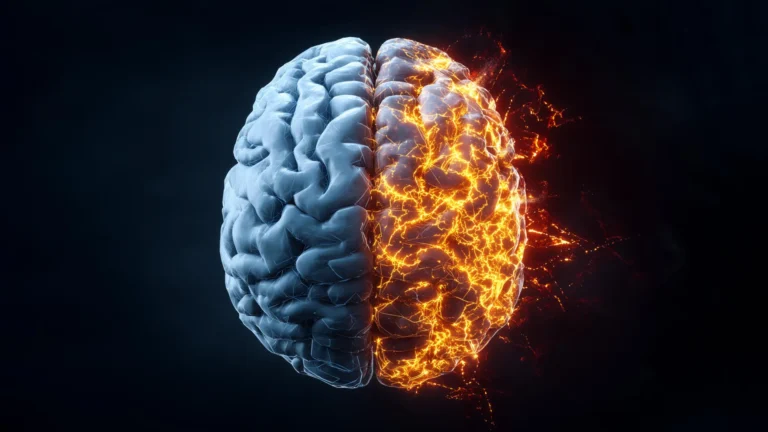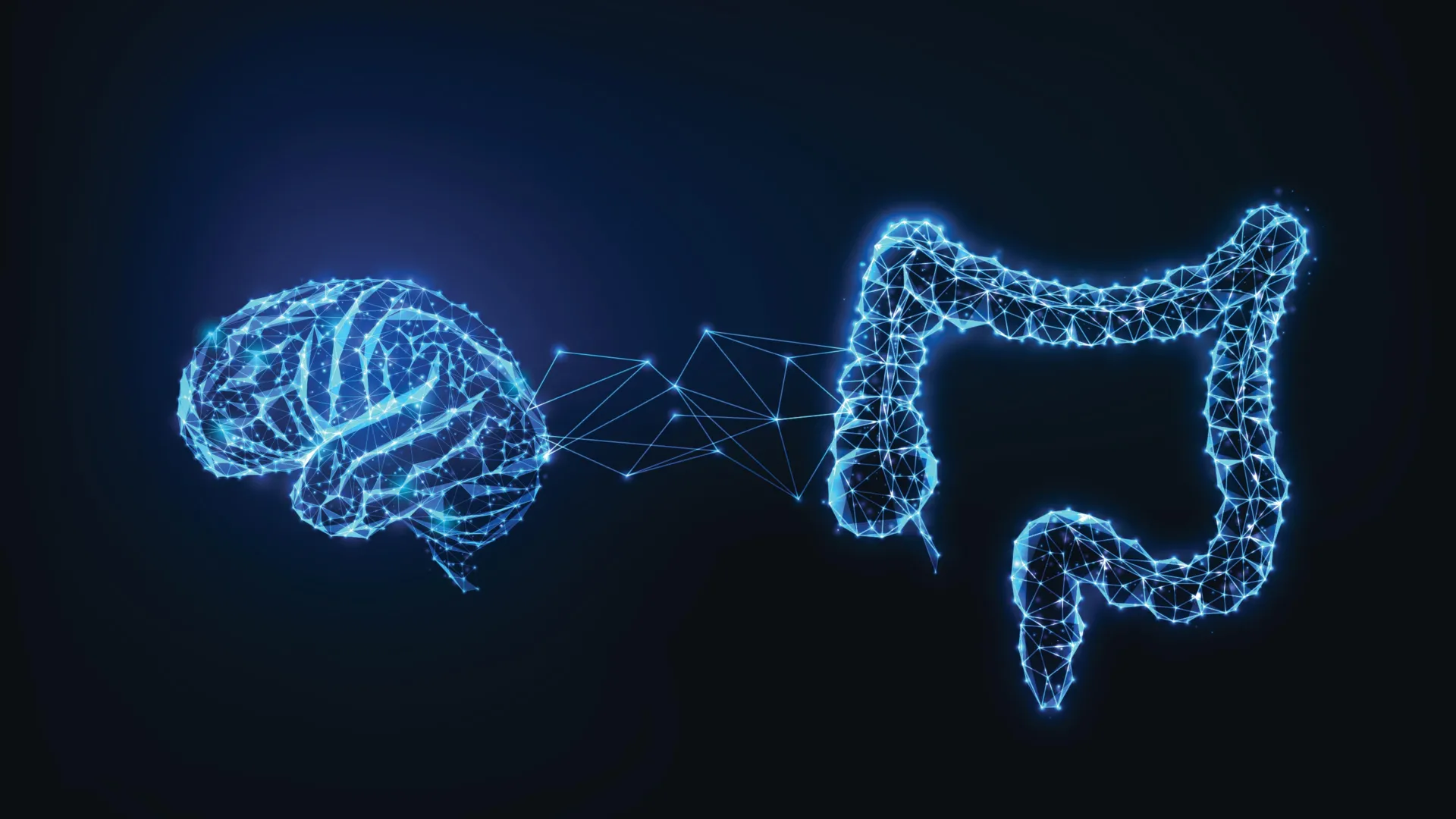
Scientists have long grappled with the intricate question of how mammals, particularly humans, developed exceptionally large brains relative to their body size, a biological marvel that demands an immense and sustained energy supply. While the energetic cost of such sophisticated neural architecture is undeniable, the precise mechanisms that facilitated its evolution have remained somewhat elusive. Now, groundbreaking research from Northwestern University offers compelling experimental validation, providing the first direct evidence that the composition of the gut microbiome plays a significant role in differentiating brain functions across primate lineages. This discovery illuminates a profound, previously underestimated, connection between the microscopic world within our digestive tracts and the complex machinery of our brains.
Dr. Katie Amato, an associate professor of biological anthropology and the lead investigator of this pivotal study, articulated the significance of their findings, stating that the research demonstrates how symbiotic microbes actively influence traits relevant to understanding evolutionary trajectories, with a particular emphasis on the development of the human brain. This work builds upon prior investigations from Dr. Amato’s laboratory, which had previously established that gut microbes originating from primate species with larger relative brain sizes could generate more metabolic energy when introduced into mice. This heightened energy output is critically important, as the development and ongoing operation of a large brain are exceptionally energy-intensive processes.
The current research, however, pushed the boundaries of understanding by extending the investigation to the brain tissue itself. The researchers aimed to ascertain whether the gut microbes of primates with varying relative brain sizes could, in fact, modulate the functional characteristics of the brains in their host animal models. To address this complex question, the team meticulously designed and executed a controlled laboratory experiment. They introduced gut microbial communities from three distinct primate groups into germ-free mice – that is, mice devoid of any indigenous microbial life. The selected primate donors included two species renowned for their larger relative brain sizes: humans and squirrel monkeys, alongside one species characterized by a smaller relative brain size, the macaque.
Following an eight-week observation period, the researchers documented discernible distinctions in brain activity patterns among the experimental groups. Mice that had been colonized with gut microbes from the smaller-brained macaque species exhibited unique brain function profiles when contrasted with those that received microbial communities from the larger-brained primate donors. These observed differences were not superficial; they were rooted in the very genetic underpinnings of brain function.
Specifically, in mice inoculated with microbes from larger-brained primates, scientists observed an upregulation in genes associated with energy metabolism and synaptic plasticity. Synaptic plasticity is the fundamental biological process that underpins learning and adaptation within the brain, enabling neural networks to reconfigure themselves in response to experience. Conversely, these same crucial pathways demonstrated significantly reduced activity in the mice that had received microbes from the smaller-brained primate species. The congruence of these findings with existing primate neurobiology was particularly striking. Dr. Amato noted the remarkable alignment between the gene expression patterns observed in the host mice and those found in the actual brains of macaques and humans. This suggests that the gut microbiome can indeed confer species-specific neural characteristics.
Beyond the implications for brain development and cognitive function, the study unearthed an unexpected and potentially significant correlation with neurodevelopmental conditions. Mice that were colonized with microbes from the smaller-brained primate group displayed gene expression patterns that have been historically linked to conditions such as Attention-Deficit/Hyperactivity Disorder (ADHD), schizophrenia, bipolar disorder, and autism spectrum disorder. While previous epidemiological studies have indicated associations between certain neurodevelopmental disorders and variations in gut microbiome composition, direct experimental evidence of a causal contribution from gut microbes has been relatively scarce.
This research provides a more robust foundation for the hypothesis that gut microbes may indeed play a causal role in the etiology of these disorders. The findings suggest that the gut microbiome actively shapes brain development. Dr. Amato posited that if the developing human brain is exposed to the influence of "inappropriate" microbes, its developmental trajectory could be altered, potentially leading to the manifestation of symptoms associated with these conditions. This implies that early-life exposure to the "correct" complement of human-specific microbes might be crucial for ensuring typical brain development and preventing the emergence of such disorders.
The implications of these findings extend to both clinical applications and our broader understanding of brain evolution. Dr. Amato suggested that this research could offer valuable insights for understanding the origins of certain psychological disorders, and crucially, for viewing brain development through an evolutionary framework. The ability to identify cross-species and cross-sectional differences in microbial-brain interactions could reveal fundamental rules governing these relationships. Furthermore, the researchers are exploring whether these identified rules can be translated into a better understanding of individual development.
The comprehensive study, officially titled "Primate gut microbiota induce evolutionarily salient changes in mouse neurodevelopment," has been formally published in the prestigious Proceedings of the National Academy of Sciences of the United States of America, marking a significant advancement in the interdisciplinary fields of neuroscience, evolutionary biology, and microbiology.
About the Author