A comprehensive analysis by evolutionary anthropologists Colin Shaw of the University of Zurich and Daniel Longman of Loughborough University posits that the pace of modern environmental development has outstripped humanity’s biological capacity for adaptation, leading to widespread health challenges. Their research suggests that chronic stress and a host of prevalent health concerns are direct consequences of a fundamental discord between our ancestral physiology, honed by millennia of natural selection, and the highly industrialized, artificial settings that define contemporary human existence.
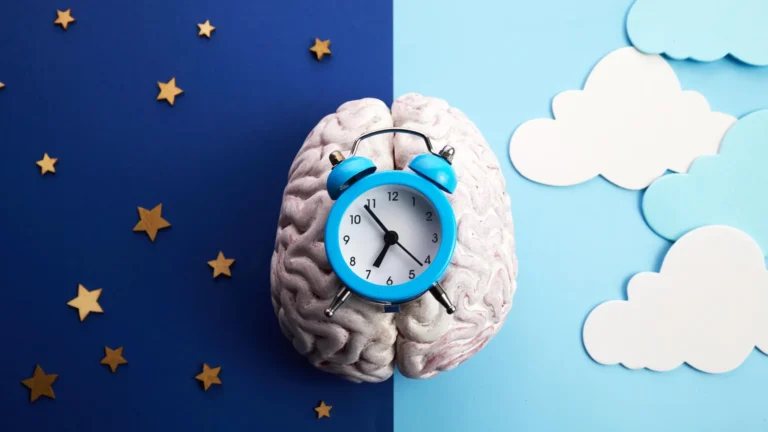
For an immeasurable span of human history, our biological makeup was shaped by the rigors and rhythms of a hunter-gatherer lifestyle. This existence demanded constant physical exertion, punctuated by intense, short-lived periods of stress and daily immersion in natural landscapes. The advent of industrialization, however, has dramatically reshaped these foundational conditions within a mere few centuries. This radical transformation has introduced a barrage of new environmental factors: pervasive noise pollution, diminished air and light quality, the ubiquitous presence of microplastics and chemical residues from pesticides, a relentless deluge of sensory information, artificial illumination that disrupts natural circadian rhythms, and the sedentary nature of modern work and leisure, characterized by prolonged periods of sitting.
Colin Shaw, who co-directs the Human Evolutionary EcoPhysiology (HEEP) research group with Daniel Longman, elaborates on this evolutionary divergence. "In our ancestral environments, we were well adapted to deal with acute stress to evade or confront predators," Shaw explains. "The lion would come around occasionally, and you had to be ready to defend yourself — or run. The key is that the lion goes away again." This ancient stress response was calibrated for discrete, manageable threats that were followed by periods of recovery.
Conversely, modern stressors, ranging from the cacophony of urban traffic and the pressures of the workplace to the incessant demands of social media and persistent background noise, trigger the same primal biological pathways that once facilitated survival against predators. The critical distinction, however, is that these modern stressors seldom abate. Daniel Longman clarifies this persistent activation: "Our body reacts as though all these stressors were lions. Whether it’s a difficult discussion with your boss or traffic noise, your stress response system is still the same as if you were facing lion after lion. As a result, you have a very powerful response from your nervous system, but no recovery." This continuous engagement of the stress response system, without the crucial periods of downtime that characterized our ancestral past, is believed to be a significant contributor to a range of chronic health issues.
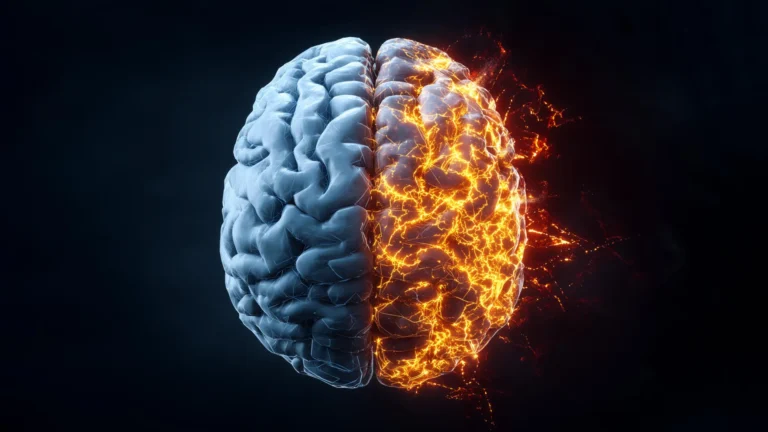
In their extensive review of existing research, Shaw and Longman examine compelling evidence suggesting that the global shift towards industrialized and urbanized living is actively diminishing human evolutionary fitness. Evolutionary success, by definition, encompasses both the ability to survive and the capacity to reproduce effectively. The authors contend that both of these fundamental pillars of evolutionary success have been adversely affected since the onset of industrialization.
The researchers point to declining fertility rates observed across vast swathes of the globe and a parallel increase in the incidence of inflammatory and autoimmune diseases as potent indicators that contemporary environments are placing an unprecedented strain on human biology. Shaw articulates this paradox: "There’s a paradox where, on the one hand, we’ve created tremendous wealth, comfort and healthcare for a lot of people on the planet, but on the other hand, some of these industrial achievements are having detrimental effects on our immune, cognitive, physical and reproductive functions." This highlights a critical tension between technological progress and its unintended biological consequences.
One of the most extensively documented manifestations of this biological strain is the documented decline in sperm count and motility, trends that have been observed with increasing regularity since the mid-20th century. Shaw specifically notes that these observed declines appear to be closely correlated with environmental exposures. "This is believed to be tied to pesticides and herbicides in food, but also to microplastics," he states, underscoring the pervasive nature of these environmental contaminants and their potential impact on reproductive health. The cumulative effect of these environmental insults on human reproductive capacity is a significant area of concern.
The fundamental challenge lies in the stark asymmetry between the rapid evolution of our technological and environmental landscapes and the comparatively glacial pace of biological adaptation. "Biological adaptation is very slow. Longer-term genetic adaptations are multigenerational — tens to hundreds of thousands of years," Shaw emphasizes. This means that the inherent mismatch between our ancient physiological design and the demands of modern living is unlikely to resolve itself through the natural evolutionary processes that have shaped us over eons.
Consequently, the researchers advocate for proactive, human-driven interventions. They argue that societies must actively implement measures to mitigate these biological pressures. This necessitates a concerted effort to strengthen our connection to the natural world and to cultivate healthier, more sustainable environments that are more congruent with our innate biological needs.
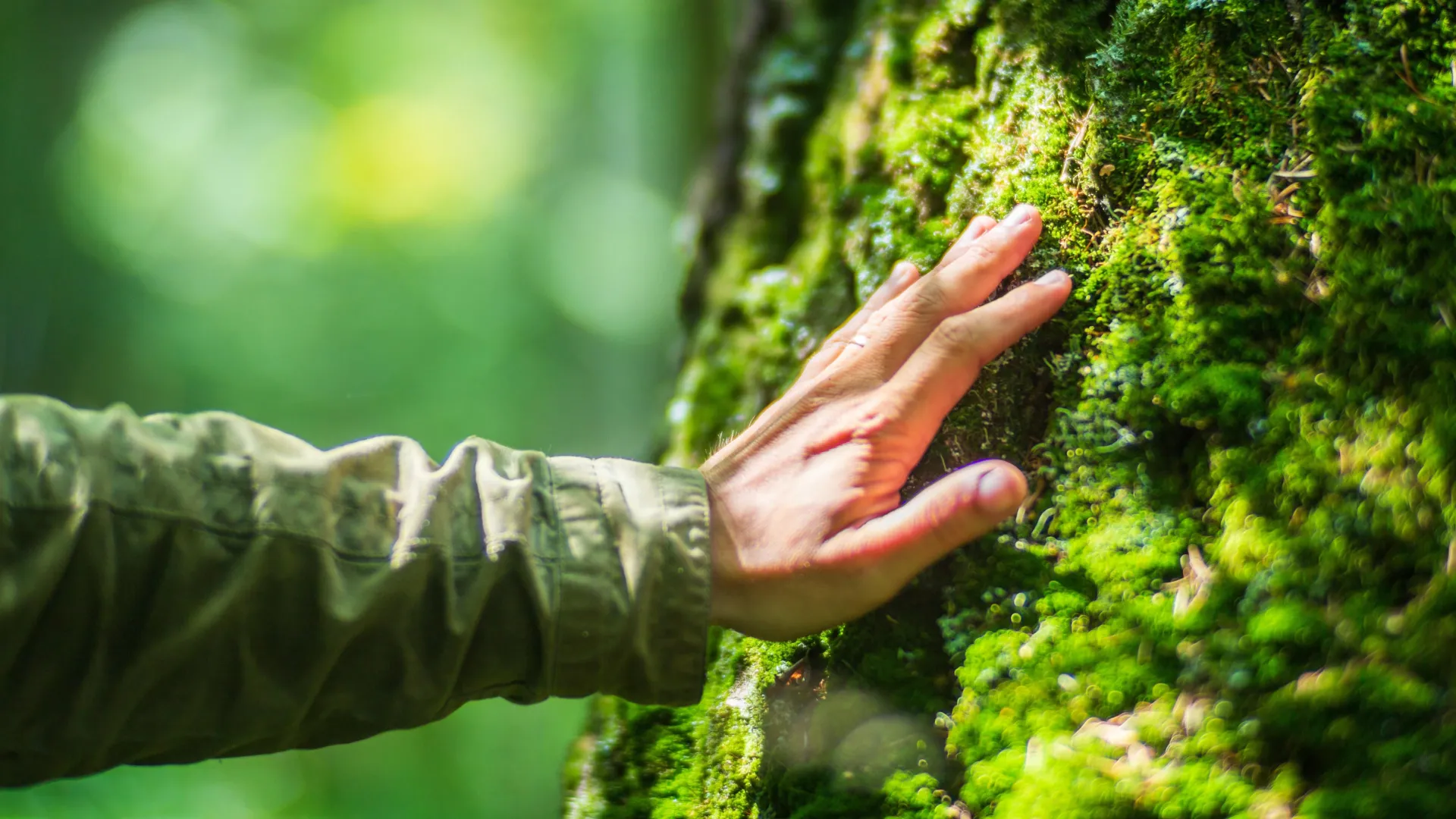
Addressing this profound mismatch requires a multifaceted approach encompassing both cultural shifts and deliberate environmental redesign. Shaw proposes a re-evaluation of nature’s role, advocating for its recognition as a vital component of public health infrastructure. This involves prioritizing the protection and restoration of natural landscapes that closely resemble the environments in which humans evolved. Furthermore, he champions a critical rethinking of urban planning and design, aiming to create cities that are more harmoniously aligned with human physiology and that systematically minimize exposure to harmful environmental agents.
Shaw envisions a future where scientific insights directly inform policy and practice: "Our research can identify which stimuli most affect blood pressure, heart rate or immune function, for example, and pass that knowledge on to decision-makers. We need to get our cities right — and at the same time regenerate, value and spend more time in natural spaces." This forward-looking perspective underscores the urgent need for integrated strategies that bridge the gap between our evolutionary heritage and the realities of contemporary life, promoting both individual well-being and the long-term health of human populations. The imperative is to consciously design our world to support, rather than undermine, the fundamental biological imperatives that have guided human existence for millennia.
About the Author