In an era dominated by rapid food production and standardized menus, a quiet culinary rebellion persists within the landscape of American chain restaurants. While many establishments opt for convenience through pre-packaged ingredients, a select group steadfastly commits to the labor-intensive, yet flavor-rich, tradition of preparing chili from scratch each day. This dedication to authentic, slow-simmered recipes offers patrons a taste of genuine comfort food, defying the expectation of mass-produced uniformity. The practice of daily preparation ensures a depth of flavor and a texture that pre-made alternatives simply cannot replicate, transforming a seemingly simple dish into a testament to culinary integrity.
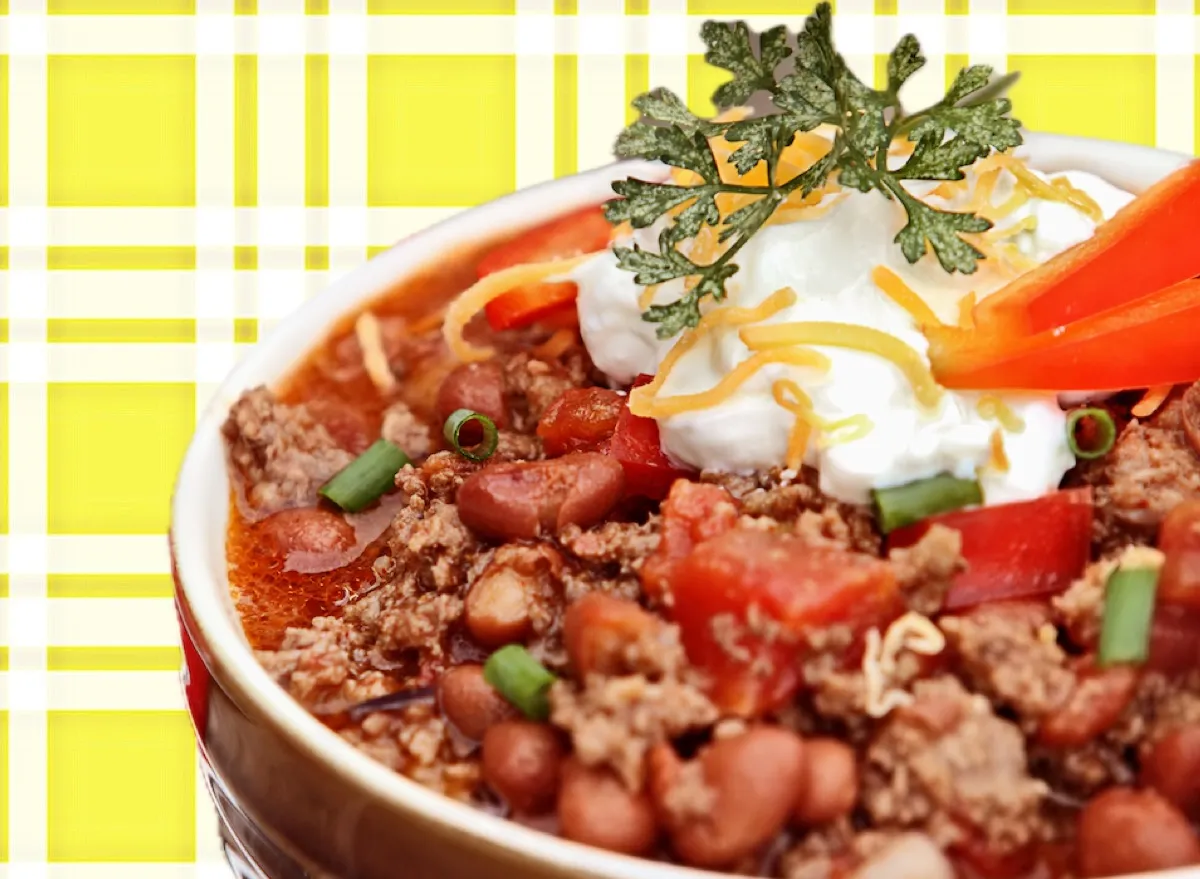
Chili, a dish deeply woven into the fabric of American gastronomic culture, is far from monolithic. Its myriad interpretations reflect regional preferences and historical influences, ranging from the hearty, bean-inclusive chili con carne found across much of the nation to the distinct, bean-free "Texas Red" style, and even the unique, spice-laden Cincinnati variants. For enthusiasts, the difference between a truly slow-cooked, house-made chili and a mass-produced version is palpable, impacting everything from the aroma and the complexity of its spice profile to the mouthfeel of its tender ingredients. The chains that prioritize this homemade approach are not merely serving a meal; they are preserving a culinary art form, providing a haven for those who seek the comforting embrace of a carefully crafted bowl.
Among these purveyors of authentic chili is Skyline Chili, an institution synonymous with the distinctive culinary identity of Cincinnati, Ohio. Here, the chili is not merely a dish but a cultural cornerstone, prepared daily from a closely guarded Greek-style recipe. This unique blend distinguishes itself with a subtle sweetness and aromatic spices, a departure from typical chili profiles, rumored to include notes of cinnamon, allspice, and even a hint of cocoa. Skyline’s fame largely rests on its "Ways" – an innovative serving method where the chili is ladled over spaghetti and generously topped with shredded cheddar cheese. The "3-Way" is the classic, adding onions or beans for a "4-Way," and both for a "5-Way." Complementing this, their "Coneys" feature a steamed hot dog blanketed in their signature chili, a sprinkle of cheese, and often mustard and onions. The commitment to daily, scratch preparation ensures that each serving delivers the consistent, iconic flavor that has garnered a fiercely loyal following and cemented Skyline’s place in American fast-casual dining history.
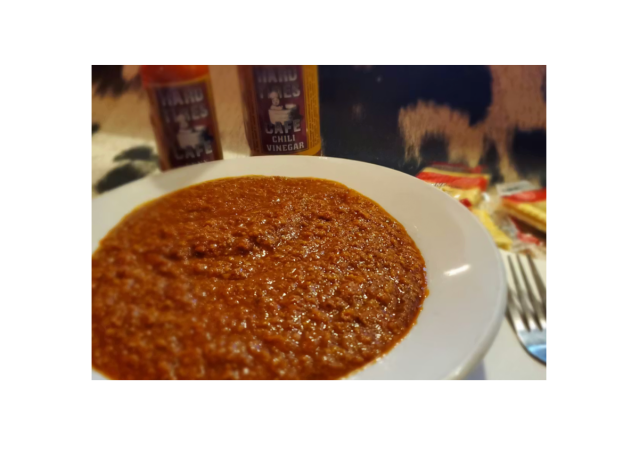
Another establishment celebrating regional chili traditions is Hard Times Cafe, which offers a compelling journey through America’s diverse chili landscape. Their menu proudly features multiple scratch-made chilis, each a tribute to a distinct style. The Cincinnati Chili at Hard Times echoes the Greek immigrant heritage that first introduced this unique, fine-ground beef chili in 1922. Characterized by its tomato base and a sweeter, more aromatic spice blend, it offers a fascinating contrast to other chili styles. Furthermore, Hard Times Cafe pays homage to the birthplace of competitive chili with its Terlingua Red chili. This fiery, crimson stew channels the spirit of Terlingua, Texas—a ghost town famous for hosting the inaugural International Chili Cookoff. Reflecting the "championship" style, it’s known for its robust red hue and a pronounced spicy kick, making it a favorite for those who appreciate the bold, beef-forward profile of classic Texas chili, typically served without beans. This dual offering underscores Hard Times Cafe’s dedication to showcasing the historical and geographical nuances of this beloved dish through meticulous, in-house preparation.
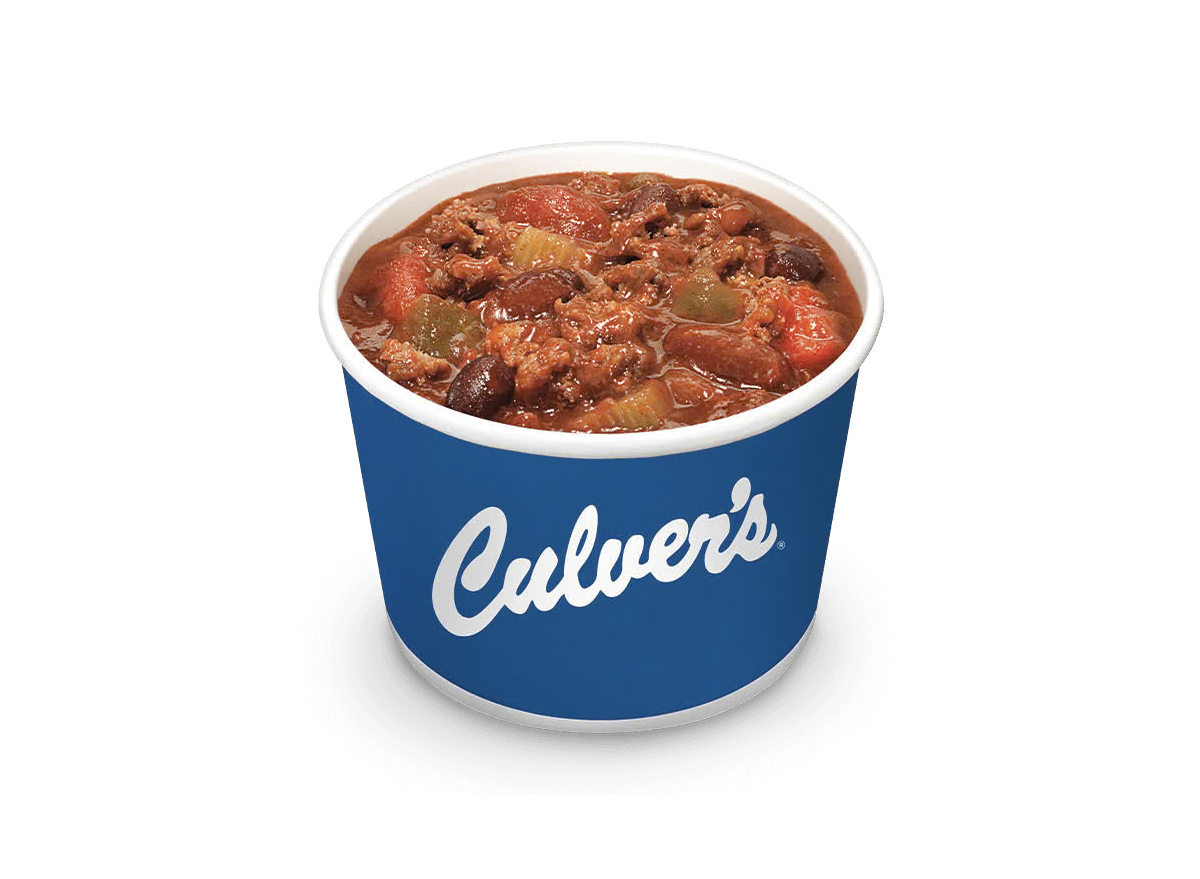
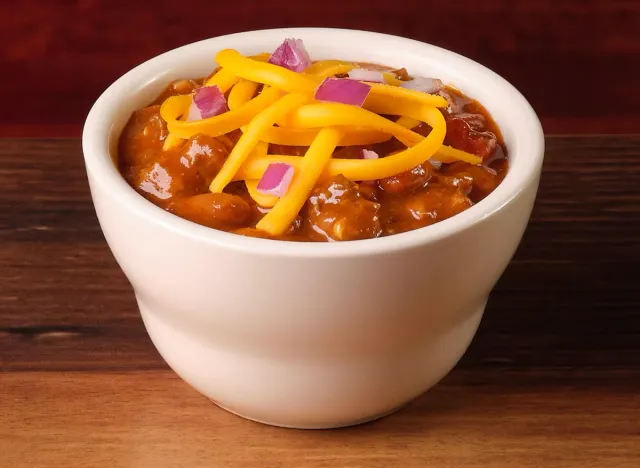
Moving into a broader interpretation of chili con carne, Culver’s stands out with its widely acclaimed George’s Chili. This popular menu item is a testament to the Wisconsin-based chain’s roots in Midwestern comfort food, named in honor of founder Craig Culver’s father, George. The chili is a medium-spicy concoction, meticulously crafted each day with homestyle beef, diced tomatoes, dark red kidney beans, and a medley of peppers, onions, and celery, all brought together by a proprietary blend of peppery spices. The inclusion of beans firmly places it within the chili con carne category, appealing to a wide palate. Patrons seeking an elevated experience can opt for the "Supreme" version, which adds a dollop of sour cream, a sprinkle of cheese, and fresh onions, enhancing its richness and textural variety. Culver’s commitment to preparing this chili from scratch daily reinforces its reputation for quality and a wholesome, family-oriented dining experience.
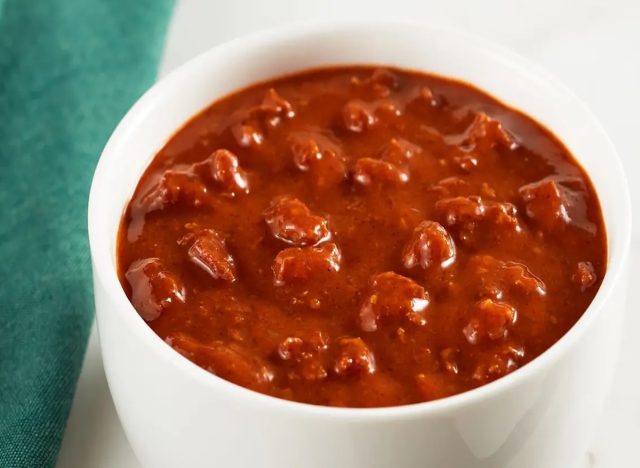
McAlister’s Deli, primarily recognized for its extensive menu of sandwiches, soups, and giant sweet teas, also prides itself on its scratch-made chili. The deli chain describes its chili as being exceptionally hearty, "filled with beef, beef, and more beef," emphasizing a robust meat-centric profile that delivers deep, satisfying flavors. This particular emphasis on beef resonates strongly with a segment of chili aficionados who prefer their chili without beans, often aligning with the "Texas Red" tradition where beans are considered a controversial addition. The popularity of McAlister’s chili is evident in the numerous online requests for copycat recipes, particularly from those attempting to recreate its rich, bean-free character at home. This highlights a significant consumer appreciation for a chain that, despite its deli focus, invests in the daily preparation of a substantial, flavorful chili.
Even within the fast-food sector, a commitment to scratch-made chili can be found. Wendy’s, a brand celebrated for its "fresh, never frozen" beef, extends this philosophy to its chili. Prepared in-house daily, Wendy’s chili is uniquely crafted from leftover hamburger patties that are diced and simmered with a blend of tomatoes, kidney beans, onions, and spices. This approach not only ensures a fresh, high-quality ingredient base but also serves as an ingenious method for reducing food waste, a practice that aligns with increasing consumer awareness about sustainability. The chili’s in-house preparation process is so integral to its identity that it has even become part of the chain’s lore; an urban legend suggests a Wendy’s employee once won a local chili cook-off using the restaurant’s own recipe, a testament to its unexpected quality and widespread appeal. This anecdote, whether entirely factual or apocryphal, perfectly encapsulates the public’s perception of Wendy’s chili as a surprisingly authentic and delicious fast-food offering.
Texas Roadhouse, a popular steakhouse chain known for its hand-cut steaks and lively atmosphere, also embraces the tradition of daily, in-house chili preparation. Their "Texas Red Chili" distinguishes itself by incorporating steak trimmings from their primary business, a clever utilization of resources that imbues the chili with a profound, beefy flavor. This practice not only enhances the richness of the chili but also underscores the chain’s commitment to quality ingredients, leveraging their core product to elevate a side dish. The result is a chili that garners enthusiastic praise from patrons, often described as "over the top good" and prompting fervent requests for its secret recipe online. The integration of high-quality meat remnants into their chili recipe demonstrates how a chain can thoughtfully craft a superior product by maximizing its existing culinary assets and adhering to daily preparation standards.
Finally, Panera Bread, a bakery-cafe chain typically associated with fresh breads, sandwiches, and salads, offers its Hearty Fireside Chili as a comforting, scratch-made option. This chili is a substantial, chunky creation featuring beef, kidney beans, fire-roasted tomatoes, and green chili peppers. It is simmered in a rich broth, expertly seasoned with a blend of chilis and fresh cilantro, which adds a bright, herbaceous note to the robust flavor profile. Panera’s commitment to preparing this chili daily aligns with its overall brand image of offering fresh, wholesome, and thoughtfully prepared meals. Customer feedback frequently highlights the chili’s excellent spice level, and while sour cream might not be a standard offering, resourceful diners have discovered that plain, unsweetened yogurt makes for a delightful and complementary topping, further demonstrating the appeal and versatility of this well-regarded menu item.
In an increasingly competitive and often homogenized food service industry, the choice by these seven diverse chain restaurants to continue preparing their chili from scratch daily represents a significant commitment to quality and tradition. It speaks to a recognition that certain dishes, particularly those as deeply cherished as chili, benefit immensely from the time, effort, and fresh ingredients inherent in artisanal preparation. For consumers, this commitment translates into a more flavorful, authentic, and satisfying dining experience, proving that even within the expansive reach of chain establishments, the heart of homemade cooking can still be found simmering with care.
About the Author