In an era increasingly defined by health consciousness and dietary awareness, consumers frequently grapple with the challenge of maintaining their nutritional goals while dining out. The perception that restaurant meals are inherently unhealthy, laden with excessive calories, sodium, and unhealthy fats, often deters individuals committed to a balanced lifestyle. However, a significant shift is underway across the food service industry, particularly within large chain establishments, as they respond to a burgeoning demand for more transparent and health-friendly options. This evolution means that finding satisfying, low-calorie meals that don’t compromise on taste is no longer an insurmountable task, but rather an achievable goal with informed choices.
Many prominent restaurant chains have proactively adapted their menus, introducing dedicated "lighter fare" sections, providing detailed nutritional information, and offering greater customization capabilities. This transformation isn’t merely a fleeting trend; it reflects a deeper understanding of modern consumer priorities, where wellness and convenience are intertwined. For those seeking to enjoy the social aspect and culinary variety of eating out without derailing their dietary regimen, navigating these expanded menus requires strategic thinking and an awareness of key nutritional principles. The average adult daily caloric intake recommendations vary, but often range from 2,000 to 2,500 calories. Consequently, a meal under 500 calories represents a significant portion of a balanced daily intake, offering ample room for other meals and snacks without overconsumption.
The cornerstone of successful calorie management in restaurants lies in active engagement with available nutritional data. Before even stepping into an establishment, reviewing online menus and their accompanying calorie counts can empower diners to make pre-informed decisions. This proactive approach helps to avoid impulse ordering and ensures that chosen dishes align with personal health objectives. Beyond simply checking numbers, understanding portion sizes is crucial. Restaurant servings are notoriously generous, often exceeding what a single individual typically requires. Opting for smaller portions, appetizers as main courses, or splitting entrées can be effective strategies. Furthermore, paying close attention to preparation methods is vital; dishes that are grilled, baked, steamed, or broiled generally contain fewer calories and fats than those that are fried, sautéed in heavy oils, or smothered in creamy sauces.
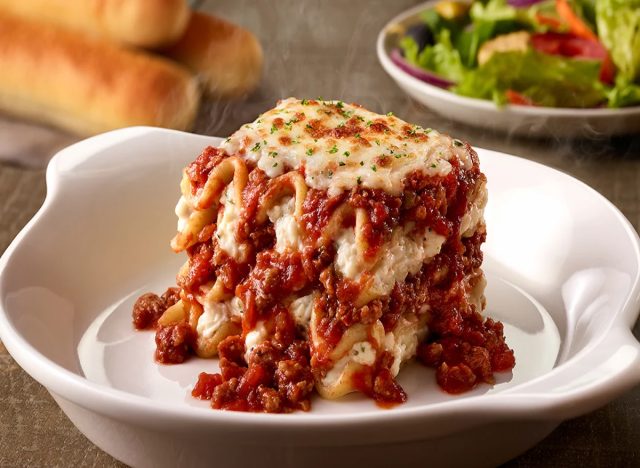
One classic example of a comfort food reinvented for the calorie-conscious is Olive Garden’s Lasagna Classico, available on their Lighter Menu. Traditionally, lasagna, with its layers of pasta, rich cheeses, and hearty meat sauces, can be a calorific indulgence. Yet, Olive Garden manages to present a version that clocks in at approximately 500 calories. This particular rendition features the quintessential elements of the beloved Italian dish: tender pasta sheets, a blend of Italian cheeses, and a savory homemade meat sauce crafted from pan-seared beef and Italian sausage. The achievement here lies in maintaining the dish’s signature robust flavor profile while carefully managing ingredient proportions and preparation techniques to reduce its overall caloric impact. It demonstrates that even indulgent-sounding options can fit into a lighter eating plan when intelligently constructed by culinary teams.
Another popular choice, often perceived as inherently healthy, is a salad. However, not all salads are created equal, and they can quickly become calorie bombs if not chosen wisely. Cracker Barrel’s Homestyle Grilled Chicken Salad, for instance, provides a substantial and satisfying meal at around 440 calories. This dish features lean, smokehouse-grilled chicken breast served over a bed of fresh mixed greens, garnished with complementary ingredients such as hard-boiled egg slices, ripe tomatoes, crisp cucumbers, and a sprinkle of Colby cheese, accompanied by crackers. While the base salad is an excellent source of lean protein and fiber, the accompanying dressing is where hidden calories frequently reside. Even seemingly innocuous options like a Balsamic Herb Vinaigrette can add upwards of 260 calories, effectively doubling the meal’s energy content. The critical takeaway for diners is to always request dressings on the side, allowing them to control the amount used, or to opt for a simple squeeze of lemon or vinegar for flavor.

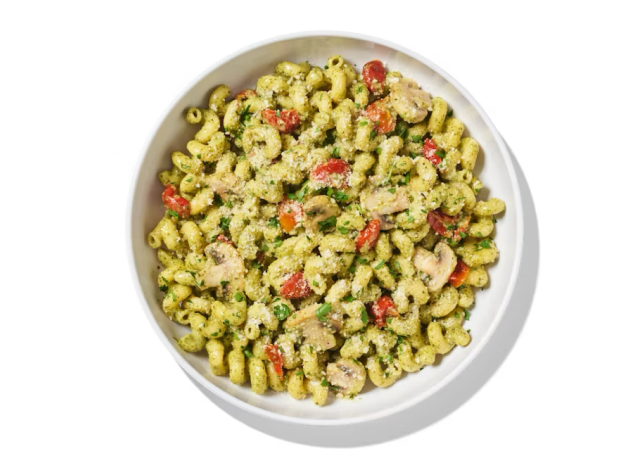
For those with a penchant for pasta, Noodles & Company offers appealing options that cater to lighter appetites. Their small-sized Basil Pesto Cavatappi is a flavorful choice at approximately 420 calories. This dish showcases spiraled cavatappi pasta tossed in a creamy basil pesto sauce, enriched with grape tomatoes and mushrooms, and finished with a scattering of Parmesan cheese and fresh herbs. The key to its lower calorie count lies in the smaller portion size, which is a common strategy for enjoying traditionally heavier dishes in moderation. Additionally, Noodles & Company provides another excellent alternative with their small Japanese Pan Noodles, a vibrant dish that contains only about 320 calories. This lighter selection features caramelized udon noodles in a sweet soy sauce, stir-fried with broccoli, mushrooms, and carrots, then garnished with black sesame seeds and fresh cilantro, offering a distinct Asian-inspired flavor profile without the caloric excess.
Steakhouses, often associated with extravagant, high-calorie meals, also offer viable choices for the health-conscious. LongHorn Steakhouse’s Flo’s Filet is a prime example. A 6-ounce portion of this tender cut registers at approximately 330 calories. The filet is typically seasoned with the restaurant’s signature grill seasoning and seared to perfection, locking in its rich, buttery flavor without the need for excessive fats. The secret to keeping this meal light lies almost entirely in the selection of side dishes. While a loaded baked potato or cheesy mashed potatoes can dramatically increase the calorie count, pairing the filet with simple, non-starchy vegetables like steamed broccoli or a plain garden salad (with dressing on the side, of course) ensures the meal remains well within a controlled calorie range. This illustrates that even at establishments known for their hearty fare, smart substitutions can make a substantial difference.
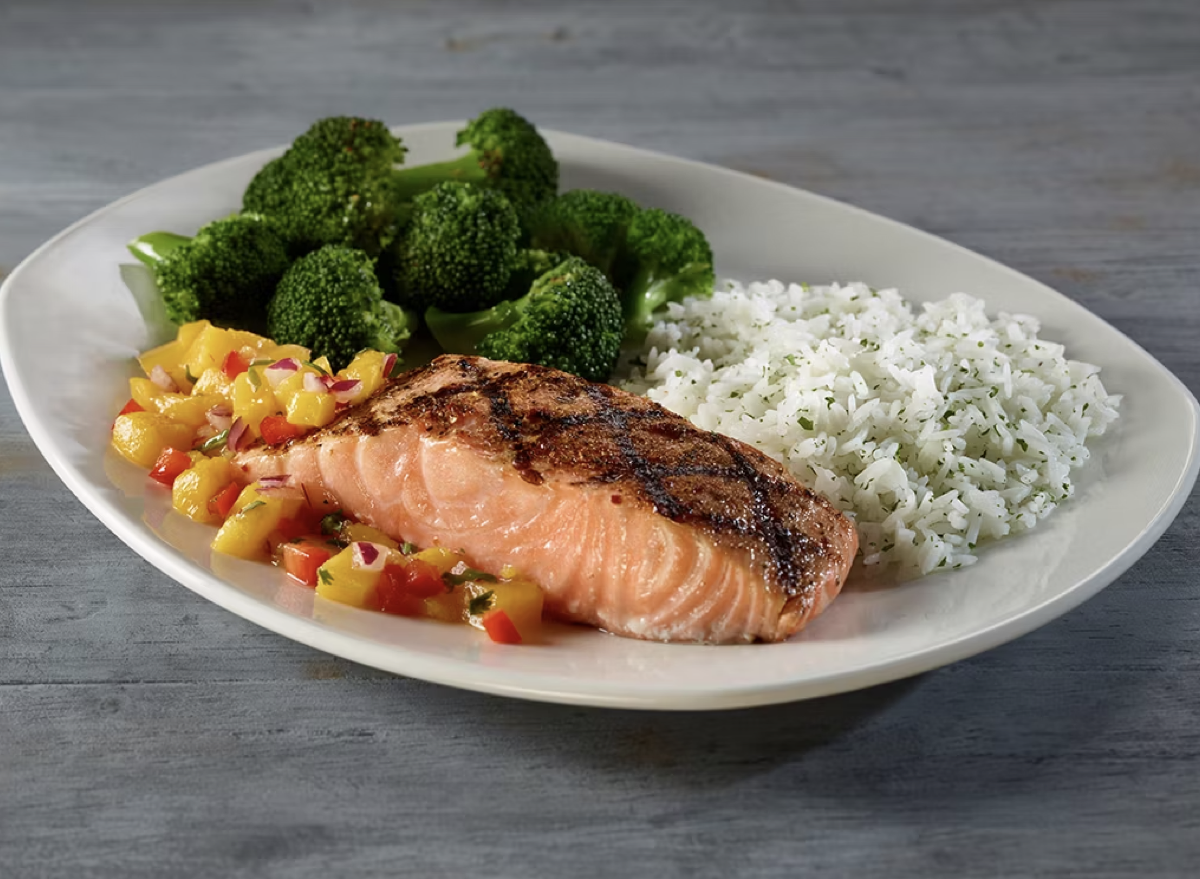
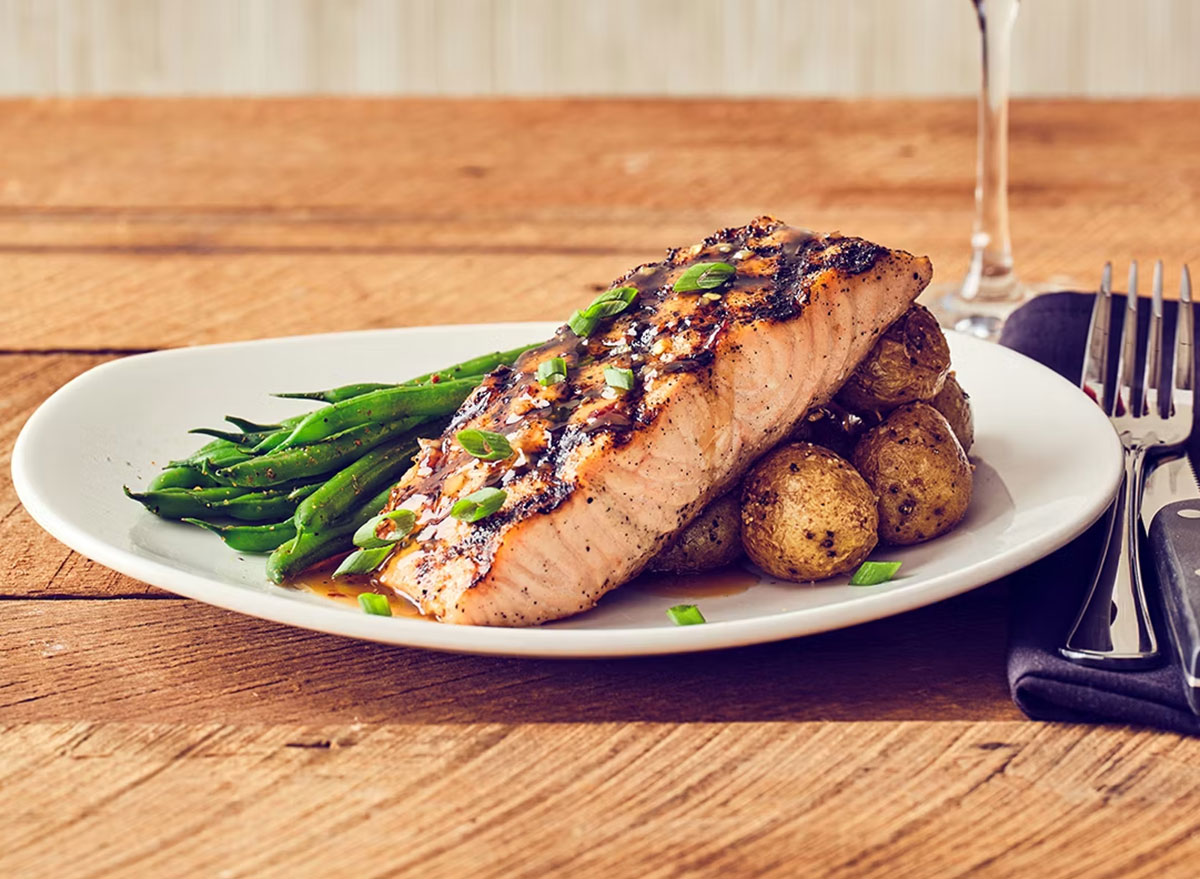
Seafood restaurants are often natural havens for lighter dining, given the lean nature of many fish and shellfish options. Bonefish Grill exemplifies this with several wood-grilled selections. Their Salmon Plate starts at approximately 460 calories, presenting a lightly seasoned, wood-grilled salmon fillet served with a choice of two signature sides. Salmon is not only a lean protein but also rich in beneficial omega-3 fatty acids, making it a highly nutritious choice. Beyond salmon, Bonefish Grill offers other commendable low-calorie proteins, such as the Chilean Sea Bass, which begins at an impressive 220 calories, and an 8-ounce Chicken Breast starting at 390 calories. All these main courses benefit from the wood-grilling method, which imparts flavor without adding significant fat. As with other establishments, the final calorie tally for these dishes largely depends on the accompanying sides. Opting for fresh vegetables like asparagus or green beans over richer choices like macaroni and cheese or gratin potatoes is paramount for maintaining a low-calorie profile.
In summary, the landscape of chain restaurant dining has evolved considerably, presenting a wealth of opportunities for individuals to enjoy meals out without compromising their health goals. The availability of detailed nutritional information, coupled with restaurants’ increasing commitment to offering lighter menu items, empowers consumers to make informed decisions. Key strategies for successful low-calorie dining include researching menus in advance, focusing on portion control, prioritizing grilled or baked lean proteins and abundant vegetables, and being mindful of high-calorie dressings and sauces. By adopting these approaches, diners can confidently navigate the extensive menus of national restaurant chains, discovering flavorful and nutritious options that support their overall well-being. This shift signifies a positive direction for public health, making mindful eating more accessible and enjoyable even when away from the home kitchen.
About the Author