
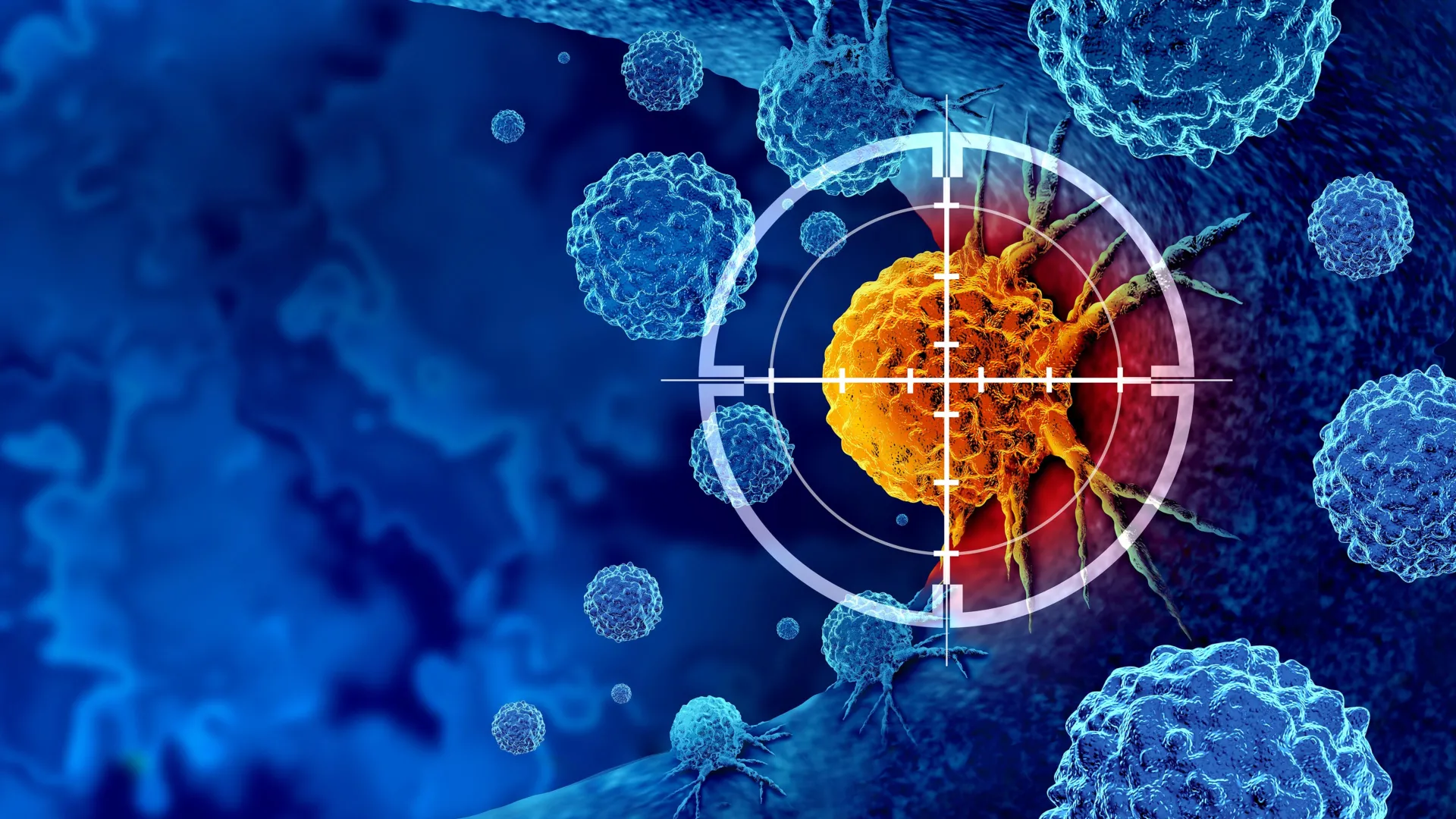
Triple-negative breast cancer (TNBC) represents a formidable challenge in oncology, distinguished by its aggressive biological profile and the absence of specific molecular targets commonly exploited in other breast cancer subtypes. Unlike estrogen receptor-positive, progesterone receptor-positive, or HER2-positive breast cancers, TNBC lacks these key receptors, rendering it unresponsive to hormone therapies or HER2-targeted drugs. This molecular void necessitates a reliance on conventional chemotherapy, which, while initially effective for some patients, often leads to disease recurrence characterized by increased resistance and a poorer prognosis. The rapid proliferation rate of TNBC cells, their propensity for early metastatic dissemination, and the high likelihood of relapse underscore the urgent need for innovative therapeutic strategies.
In a significant development offering new hope, groundbreaking preclinical investigations have unveiled a novel antibody-based approach that not only attenuates tumor growth and metastatic spread but also re-engages the body’s immune defenses against TNBC. Researchers at the Medical University of South Carolina (MUSC) Hollings Cancer Center have pioneered an experimental humanized monoclonal antibody designed to counteract multiple survival mechanisms employed by TNBC cells. The findings, recently detailed in the journal Breast Cancer Research, demonstrate the antibody’s capacity to induce cytotoxicity in malignant cells, even those that have become refractory to standard chemotherapy regimens, marking a potential paradigm shift in the treatment landscape for this particularly virulent cancer.
Central to this therapeutic innovation is a protein known as secreted frizzled-related protein 2 (SFRP2). For nearly two decades, the laboratory of Dr. Nancy Klauber-DeMore, a breast surgical oncologist and co-leader of the Developmental Cancer Therapeutics Research Program at Hollings, has been meticulously unraveling the intricate roles of SFRP2 in breast cancer pathogenesis. Her team’s pioneering work, initiated with the initial identification of SFRP2’s involvement in breast cancer in 2008, has progressively illuminated its multifaceted contributions to tumor progression, metastatic processes, and the suppression of anti-cancer immunity. SFRP2 acts as a crucial enabler within the tumor microenvironment, fostering the development of new blood vessels (angiogenesis) to nourish tumors, shielding malignant cells from programmed cell death (apoptosis), and crucially, subverting the host’s immune surveillance mechanisms that would otherwise eliminate nascent cancer cells.
The multidisciplinary effort at MUSC, encompassing experts from Surgery, Biochemistry and Molecular Biology, and Pathology and Laboratory Medicine, focused on developing a humanized monoclonal antibody engineered to specifically bind to and neutralize SFRP2. Monoclonal antibodies are highly specific therapeutic agents designed to target particular proteins on cancer cells or in their immediate environment, thereby minimizing off-target effects often associated with traditional chemotherapy. This precision targeting is crucial for enhancing efficacy while simultaneously mitigating systemic toxicities. The research team, including Dr. Lillian Hsu and former resident Dr. Julie Siegel, meticulously characterized the antibody’s ability to precisely attach to SFRP2, thereby blocking its cancer-promoting activities.
One of the most compelling discoveries emerging from this research pertains to the antibody’s profound impact on the tumor immune microenvironment, specifically its ability to reprogram immune cells. To ascertain the clinical relevance of SFRP2 as a therapeutic target in TNBC, the investigators first analyzed human tumor biopsies. They observed that SFRP2 was not only expressed by the cancer cells themselves but also conspicuously present on surrounding immune cells, including tumor-infiltrating lymphocytes and macrophages. This particular finding, the first to demonstrate SFRP2 expression on tumor-associated macrophages, is highly significant as it opens an entirely new avenue for understanding and manipulating the complex interplay between tumors and the immune system.
Macrophages, a type of white blood cell, play a dual role in cancer biology. M1 macrophages are generally characterized by their pro-inflammatory, anti-tumor functions, actively participating in the immune system’s fight against cancer. Conversely, M2 macrophages often adopt an immunosuppressive phenotype, promoting tumor growth, angiogenesis, and metastatic spread. In the context of TNBC, the tumor microenvironment typically skews macrophages toward the M2, pro-tumor state, effectively disarming the host’s immune response. A pivotal finding of the study was that treatment with the SFRP2 antibody induced a substantial release of interferon-gamma, a potent immune signaling molecule, from macrophages. This shift in cytokine production effectively pushed the macrophages back towards the cancer-fighting M1 state. This rebalancing act was observed even in murine models with advanced disease and established metastases, suggesting the potential for this treatment to re-educate the immune system to combat cancer in later stages. The ability to activate immune cells without direct administration of interferon-gamma, which can carry significant toxicities, represents a substantial advantage, addressing a critical need for less toxic yet effective immunomodulatory therapies in TNBC.
Beyond macrophages, the SFRP2 antibody also demonstrated a capacity to restore functionality in T-cells, another critical component of adaptive immunity. T-cells in the TNBC microenvironment frequently succumb to exhaustion, losing their ability to effectively recognize and eliminate cancer cells. Following antibody treatment, T-cells in the vicinity of the tumors exhibited increased activity, indicating that the therapy could bolster immune defenses that are typically compromised in cancer and potentially amplify responses to existing immunotherapies.
The efficacy of the SFRP2 antibody extended beyond modulating the immune system; it also demonstrated a significant capacity to curtail metastatic spread. In two distinct preclinical models of advanced TNBC, mice receiving the antibody exhibited a markedly lower incidence of lung tumors compared to their untreated counterparts. The presence of lung metastases is a dire prognostic indicator for cancer patients, signaling that malignant cells have entered the bloodstream and disseminated to distant organs, often correlating with diminished survival outcomes. The ability of this novel antibody to restrict such distant spread underscores its potential to improve patient outcomes dramatically.
Crucially, the therapeutic effects of the antibody were coupled with an impressive degree of precision. Investigations into the antibody’s biodistribution revealed its selective accumulation within tumor tissue, with minimal uptake observed in healthy organs or normal cells. This highly targeted behavior stands in stark contrast to conventional chemotherapy agents, which exert their cytotoxic effects indiscriminately on both cancerous and rapidly dividing healthy cells, leading to a spectrum of severe systemic side effects. The inherent precision of this SFRP2-targeting antibody suggests a potential for a more favorable safety profile, a critical consideration for long-term cancer management.
Perhaps one of the most compelling aspects of this research is the antibody’s demonstrated ability to overcome chemotherapy resistance, a pervasive challenge in cancer therapy. Doxorubicin, a cornerstone chemotherapy agent for TNBC, often loses its effectiveness over time as tumor cells adapt and develop resistance mechanisms. In experiments designed to mimic this clinical scenario, where cancer cells were rendered resistant to doxorubicin, the SFRP2 antibody still induced substantial cancer cell death. This finding is profoundly encouraging, as it suggests that the therapy could offer a viable option for patients whose tumors no longer respond to standard-of-care treatments, providing a lifeline in situations where current options are exhausted.
The extensive presence of SFRP2 throughout the tumor environment, observed in both malignant cells and critical immune cells like tumor-infiltrating lymphocytes and tumor-associated macrophages, suggests that targeting this protein simultaneously weakens tumors, invigorates immune activity, and bypasses established treatment resistance pathways. Importantly, the absence of significant SFRP2 accumulation in healthy blood or immune cells further distinguishes this antibody from many existing immune-based therapies, reinforcing its potential for efficacy with limited systemic side effects.
By identifying SFRP2 as a central nexus linking tumor growth, immune suppression, and drug resistance, this research paves the way for a new class of precision therapies. Such an approach could not only complement but also significantly enhance the effectiveness of existing immunotherapies for TNBC, potentially creating synergistic anti-tumor responses. The ultimate aspiration, as articulated by Dr. Klauber-DeMore, is to provide patients with an innovative therapeutic alternative that not only directly combats the malignancy but also fundamentally re-engineers the body’s innate capacity to fight the disease.
While further rigorous studies are indispensable, these initial preclinical results are highly encouraging. The intellectual property encompassing the antibody has been licensed to Innova Therapeutics, a Charleston-based biotechnology company co-founded by Dr. Klauber-DeMore, which is actively pursuing funding to initiate a first-in-human clinical trial. Furthermore, the therapy has already received Rare Pediatric Disease and Orphan Disease designations from the U.S. Food and Drug Administration (FDA) for osteosarcoma, another cancer where SFRP2 is strongly implicated. These designations, while not signifying approval for patient use, provide crucial incentives and regulatory support to accelerate the continued development of the therapeutic agent. The profound impact this research could have on patients battling aggressive cancers fuels the dedication of the scientific community, as reflected in Dr. Hsu’s sentiment of gratitude for contributing to a discovery with such vast potential to alleviate suffering.
About the Author